
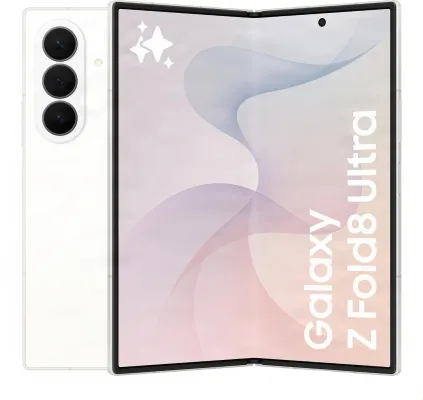
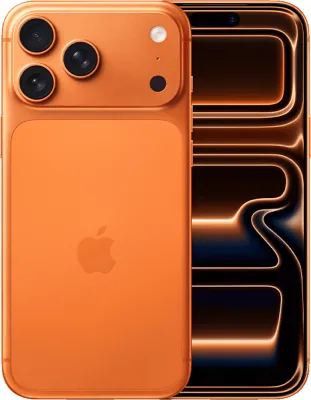
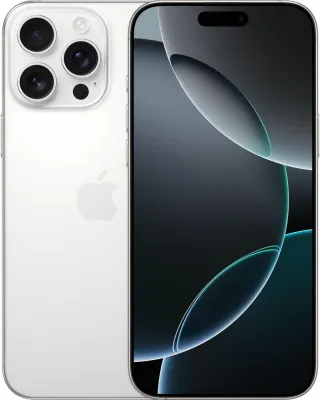
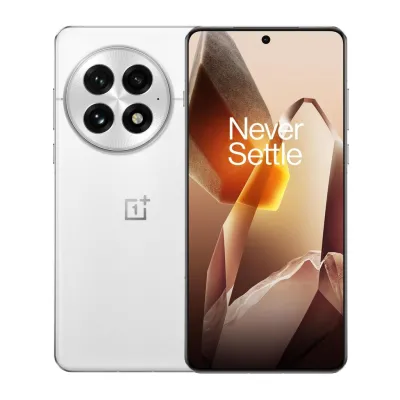

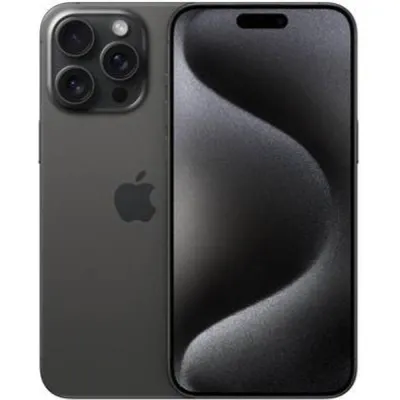
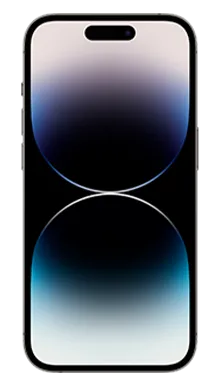

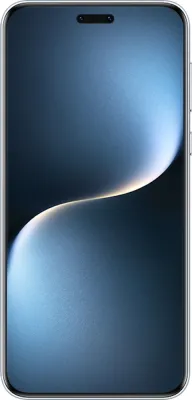
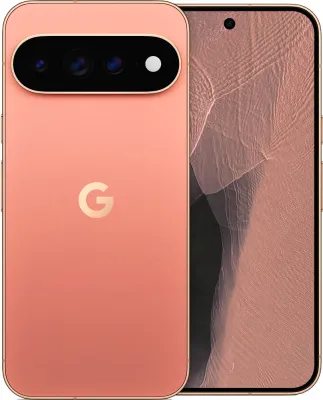
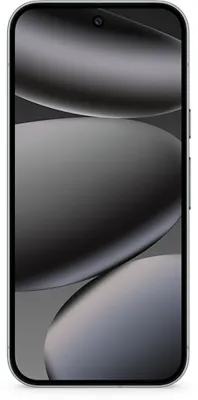
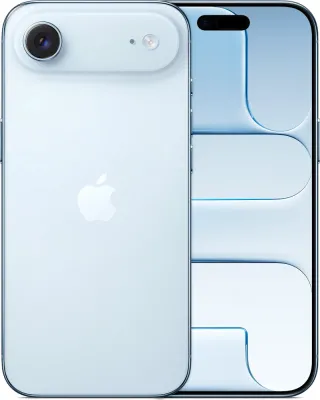

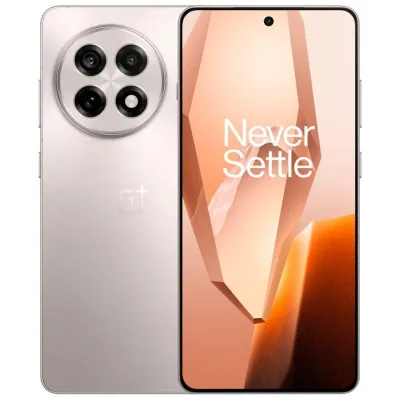
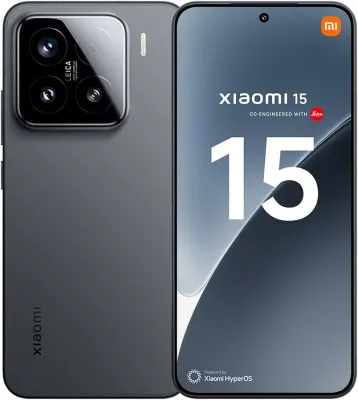
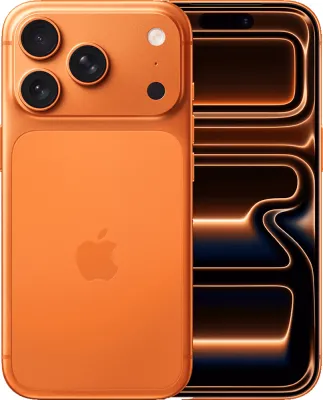
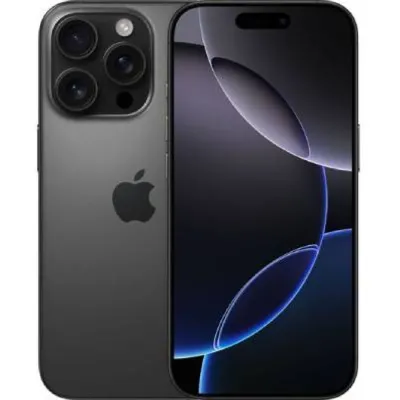


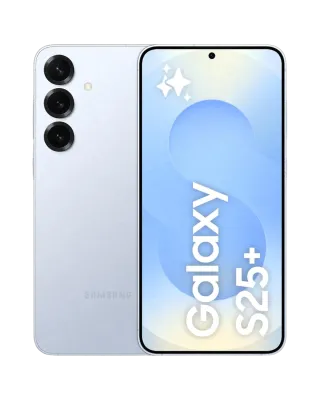
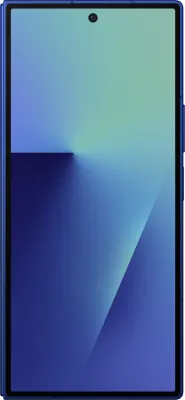
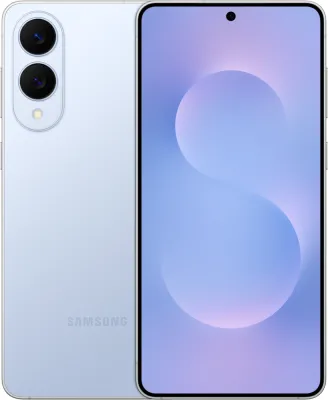
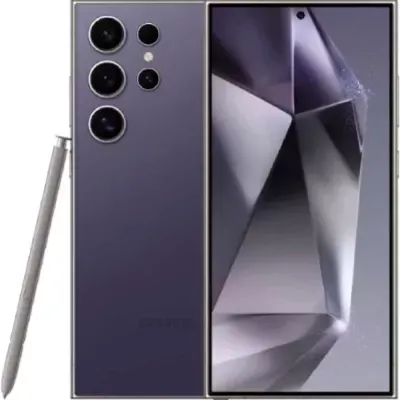
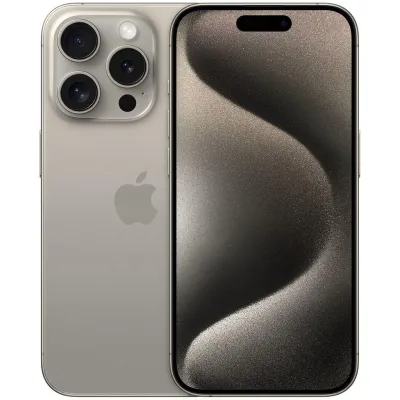
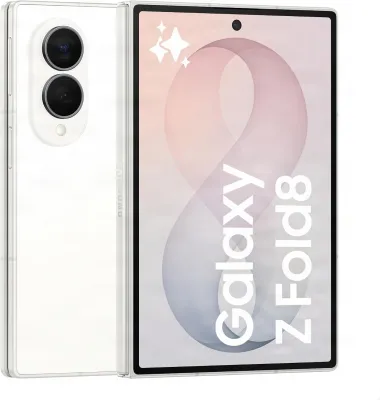
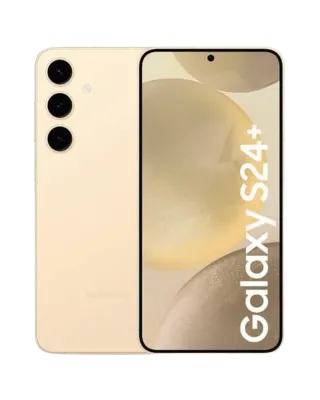
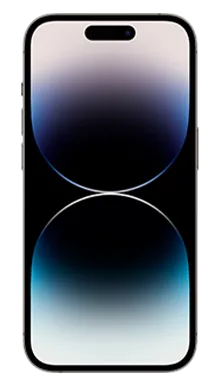

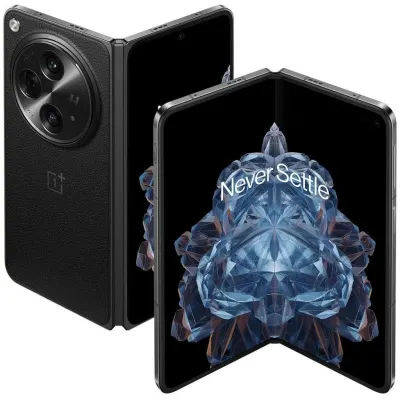
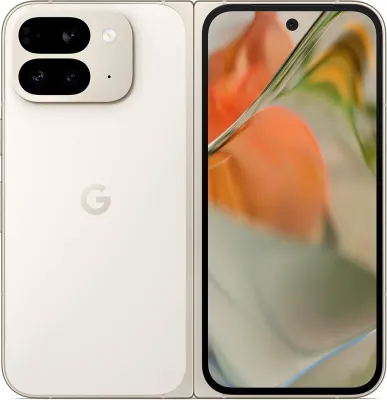
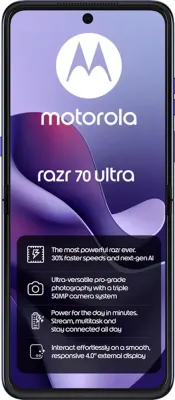
Our ranking of the 50 best phone screens on sale in the UK, scored on panel technology, resolution, refresh rate, brightness and size. 493 phones qualify for the ranking - visible, in stock somewhere and carrying enough display data to score - and the 50 that make this page are the top of that pile. The cut-off sits at 94 out of 100, so even the last phone here has a panel most people would be very happy with. The table is rebuilt nightly, and the contract, upgrade and SIM-free prices underneath update daily.
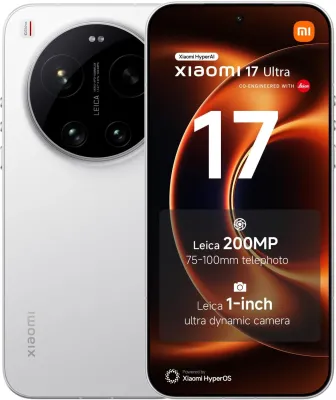
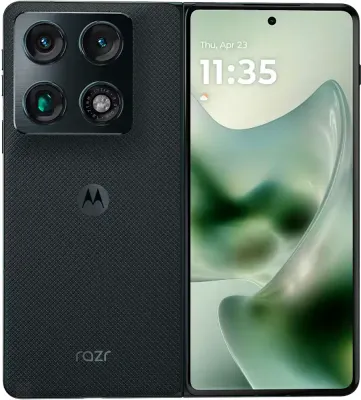
The top of the table is held by LTPO flagships. Oppo's Find X9 Ultra and Find X9 Pro (the base Find X9 ships a plain AMOLED panel and misses the page), the Apple iPhone 17 Pro Max (a 6.9in LTPO Super Retina XDR OLED running at 120Hz with Dolby Vision), the Honor Magic8 Pro (6.71in LTPO OLED, 4320Hz PWM), the Xiaomi 15 Ultra (6.73in LTPO AMOLED), the Oppo Find X8 Pro (6.78in LTPO AMOLED) and Samsung's Galaxy S Ultra models on their 6.9in Dynamic LTPO AMOLED 2X panels all sit in that leading group. Foldables sit among them rather than below: the first one appears at 11th, and four of the top 15 places go to foldable inner displays - the Honor Magic V5 and Magic V6 at 7.95in, the Motorola Razr Fold at 8.1in and the Samsung Galaxy Z Fold7 at 8.0in, all LTPO and 120Hz. The exact order shifts as scores and stock move, so read the live table above rather than this paragraph.
Two things to know before you scroll. We do not measure panels in a lab - this is computed from the specification database, which means it is consistent, updated daily and has no favourites, but it can only see what manufacturers publish. And the scale saturates: 28 of the 50 phones here score exactly 100, so the order inside that block is decided by the tiebreak rather than by the screen. We explain how that works below, because it changes how you should read the first 28 rows.
How do we rank display quality, and why do so many phones score 100?
The display score is a weighted blend of five measurable things plus one small bonus. Panel type carries the most weight at 30%: an LTPO panel scores 100, a Dynamic AMOLED 2X, Super AMOLED Plus or Super Retina panel scores 80, a plain AMOLED or OLED 60, IPS 35, and TFT or LCD 15. Pixel count is 20%, normalised against four million pixels, so a 1440p-class panel maxes that component out while a 1080p one lands at roughly 65% of it. Refresh rate is another 20%, with 120Hz and above taking full marks, 90Hz taking 60 and 60Hz taking 25. Brightness is 20%, scaled from zero at 400 nits to full marks at 3,000. Screen size is the remaining 10%. A panel that supports HDR10+ or Dolby Vision picks up three points on top.
Panel type gets the heaviest weighting because LTPO is the clearest dividing line between a 2026 flagship screen and a good mid-range one. It stands for low-temperature polycrystalline oxide, which is the backplane the panel is built on, and the practical effect is that the screen can vary its refresh rate on the fly - typically anywhere from 1Hz to 120Hz - instead of running at one fixed rate. Static content like a lock screen, an ebook or a paused video drops to a couple of refreshes per second and stops burning power, which is what makes an always-on display sensible rather than a battery tax. Only a small minority of the phones we score have an LTPO panel at all, and 1440p-class resolutions are rarer still, so the technology is common at the top of the market and still unusual below it.
Now the awkward part. 28 of the 50 phones on this page score exactly 100, and that is not a rounding accident - it is what happens when almost every 2026 flagship ships an LTPO panel, 120Hz, a high pixel count and brightness figures in the thousands. Panel type and refresh rate are the two components that genuinely max out, and between them they carry half the score. Resolution and brightness usually do not: the iPhone 17 Pro Max reaches 94.6% of the pixel ceiling, and the Galaxy S26 Ultra's 2,600 nits is 84.6% of the brightness ceiling. What closes the remaining gap is the three-point HDR bonus, which carries the total past 100 before it gets clipped back. The scale simply runs out of room. That block is therefore not separated by display score at all. It is separated by the tiebreak, which is overall spec score: the average of our performance, display, rear camera and battery scores. Read it as a set rather than a league table. Any phone in it has an outstanding panel, and if you are choosing between two of them the screen is not the thing that should decide it. Price, camera and battery life are where the real differences sit.
Brightness is the number we trust least, and it is worth knowing why. Manufacturers quote two different figures and label them inconsistently. High brightness mode, or HBM, is the sustained full-screen level you actually get in daylight. Peak is a much larger number measured on a small area of the panel for a brief moment, usually while playing HDR content. Google publishes both for the Pixel 10 Pro XL - 2,200 nits HBM and 3,300 nits peak - which is unusually transparent. Most brands publish only the bigger one. Our scoring takes the highest nits figure in the spec string, and the brightness component reaches full marks at 3,000 nits. That ceiling is what stops a headline number distorting the ranking: the Honor Magic V5's quoted 5,000 nits peak scores exactly the same on brightness as a panel quoting 3,000, so the extra 2,000 buys it nothing. What the ceiling cannot fix is the labelling, so a phone that quotes peak still has an advantage over one that quotes HBM. Treat brightness differences of a few hundred nits between two phones on this page as noise.
PWM dimming is in our data but is deliberately not scored. Pulse width modulation is how an OLED panel produces low brightness levels: instead of driving the pixels at a lower voltage, it switches them on and off rapidly, and the frequency of that flicker is what some people perceive as eye strain, headaches or a gritty look at night. 71 of the 493 phones that qualify for this ranking publish a figure. Honor, Xiaomi, Oppo and OnePlus tend to advertise it, and the numbers quoted by the phones near the top of this page are high - 4320Hz on the Honor Magic8 Pro and Magic7 Pro, 2160Hz on the Oppo Find X8 Pro and OnePlus 13, 1920Hz on the Xiaomi 15 Ultra. Apple and Samsung generally do not publish one at all, which is exactly why we cannot score it: ranking on a spec that only part of the market discloses would punish phones for their manufacturer's PR policy rather than their hardware. If you are flicker-sensitive, this is the one thing on the page you should research yourself before buying.
The other honest gap is colour accuracy. Delta-E, greyscale tracking, gamma and white point are what DisplayMate and NotebookCheck actually put a colorimeter on, and they are the difference between a panel that is merely bright and one that is genuinely good. None of it appears on a spec sheet, so none of it is in our data and none of it is in this score. What we are ranking is display capability on paper, not calibration in the hand. In practice the two correlate reasonably well at this end of the market, because the same handful of Samsung Display, BOE and LG panels turn up across most of these phones, but if colour work matters to you then a measured review is a better guide than any specification-led ranking, ours included.
Foldables are included here, which is a deliberate difference from our large screen ranking where they are excluded. On a size-led list they simply take over, because a 7.95in or 8.1in inner panel beats every conventional phone by a margin no slab can close. On a quality-led list they earn their place on merit: the inner displays on the Honor Magic V5 and Magic V6, the Motorola Razr Fold and the Samsung Galaxy Z Fold7 are LTPO, 120Hz and extremely bright, and there is no longer a meaningful panel-technology penalty for the hinge. If you want a big conventional screen without the crease or the price, the large screen page filters foldables out.
One last note on how to use the list. The phones tied at 100 are separated by our overall spec score, and where two of them tie on that as well, by how many deals we can find for the phone. Screen size is only 10% of the score, which means a compact flagship can rank above a much larger mid-range phone, and it also means the top of the list skews towards 6.7in to 6.9in handsets simply because that is what flagships are. There are no network or price filters on this page: tap through to any phone to see its full list of contract, upgrade and SIM-free deals, or use the related rankings at the foot of the page to jump to a different shortlist. Refurbished stock is worth a look on a page like this - a two-year-old flagship panel is still a flagship panel.