


My Mobiles

120Hz Display Phones UK 2026

Experience smooth 120Hz displays for fluid scrolling, responsive gaming and buttery animations

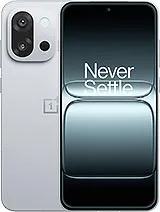
#6 Oppo Find X9 deals
Expert reviews · 1 source
512GB 256GB
Check Deals 53 deals
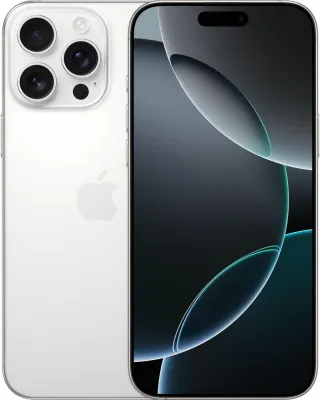
#7 Apple iPhone 16 Pro Max deals
Expert reviews · 6 sources
1TB 256GB 512GB
Check Deals 990 deals
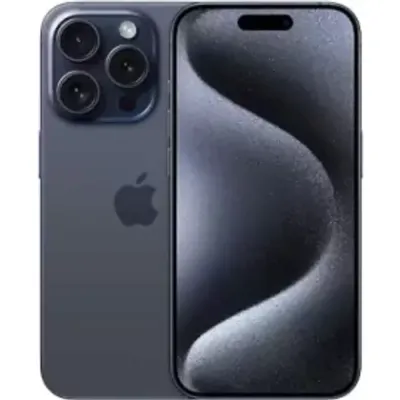
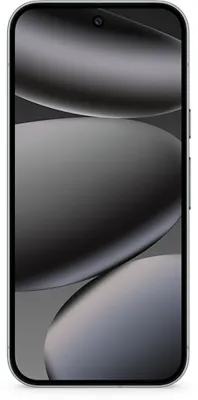
#13 Apple iPhone 17 Pro deals
Expert reviews · 7 sources
256GB 512GB 1TB
Check Deals 10506 deals
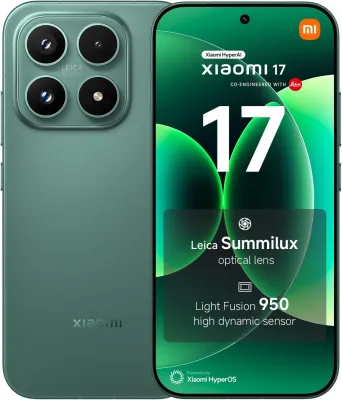
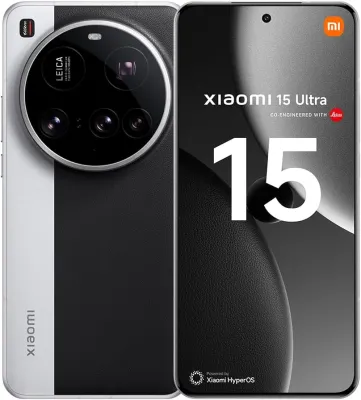
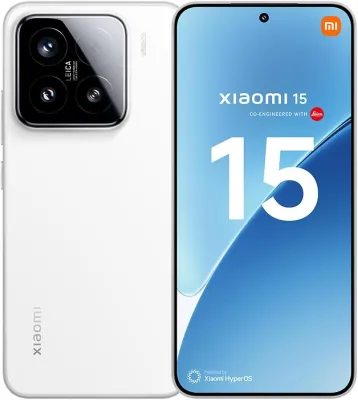
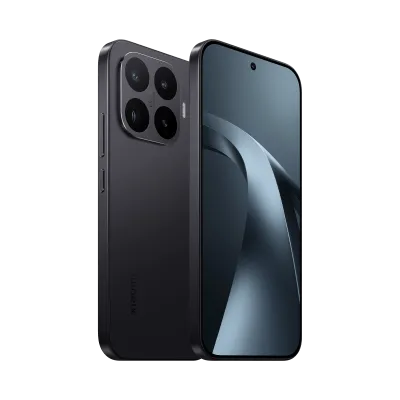
#17 Xiaomi 15 deals
Expert reviews · 6 sources
512GB 256GB
Check Deals 5 deals
#19 Apple iPhone 15 Pro Max deals
Expert reviews · 5 sources
Contracts £31 avg/m
SIM Free £720
512GB 1TB 256GB
Check Deals 436 deals
#23 Google Pixel 10 Pro XL deals
Expert reviews · 6 sources
Contracts £34 avg/m
Upgrades £38 avg/m
SIM Free £780
256GB 512GB 1TB
Check Deals 1115 deals
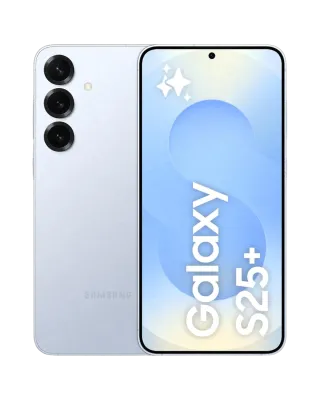
#26 Samsung Galaxy S25+ deals
Expert reviews · 5 sources
Contracts £43 avg/m
SIM Free £729
128GB 256GB 512GB
Check Deals 299 deals
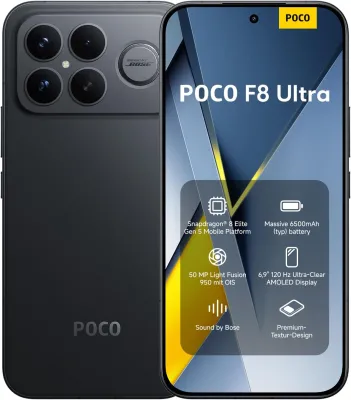
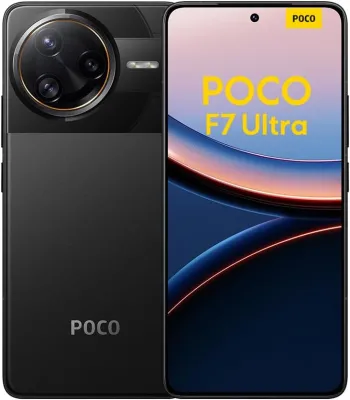
#27 Xiaomi Poco F7 Ultra deals
Expert reviews · 2 sources
512GB 256GB
Check Deals 6 deals
#28 Google Pixel 10 Pro deals
Expert reviews · 4 sources
Contracts £26 avg/m
Upgrades £28 avg/m
SIM Free £750
256GB 128GB 1TB 512GB
Check Deals 3626 deals
#29 Apple iPhone 16 Pro deals
Expert reviews · 6 sources
Contracts £35 avg/m
SIM Free £999
128GB 512GB 1TB 256GB
Check Deals 624 deals
#31 Apple iPhone 14 Pro Max deals
Expert reviews · 4 sources
Contracts £25 avg/m
Upgrades £26 avg/m
SIM Free £330
128GB 512GB 256GB 1TB
Check Deals 1005 deals
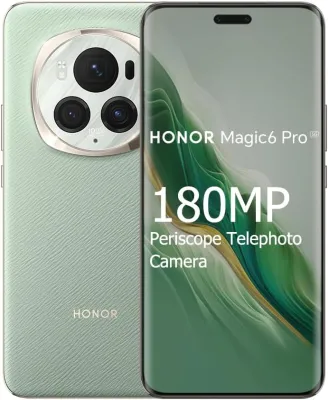
#33 Honor Magic6 Pro deals
Expert reviews · 5 sources
512GB
Check Deals 3 deals
#34 Google Pixel 10 Pro Fold deals
Expert reviews · 5 sources
256GB 512GB
Check Deals 446 deals
#35 Samsung Galaxy S24 Ultra deals
Expert reviews · 6 sources
Contracts £30 avg/m
SIM Free £390
256GB 128GB 1TB 512GB
Check Deals 428 deals
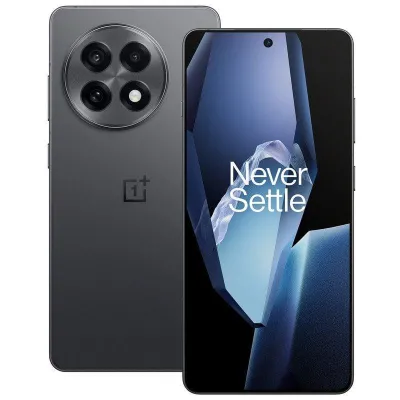
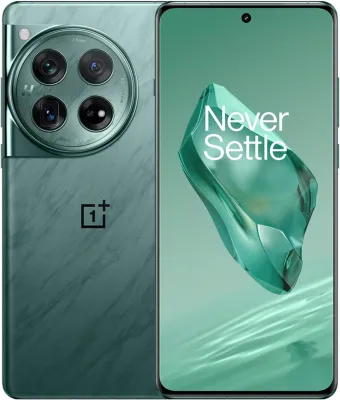
#36 OnePlus 12 deals
Expert reviews · 8 sources
512GB 256GB
Check Deals 3 deals
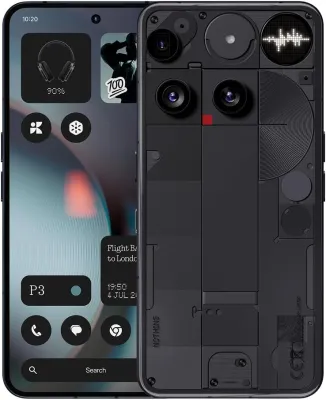
#38 Nothing Phone (3) deals
Expert reviews · 7 sources
256GB 512GB
Check Deals 5 deals
#39 Apple iPhone 15 Pro deals
Expert reviews · 5 sources
Contracts £30 avg/m
SIM Free £416
128GB 512GB 256GB 1TB
Check Deals 603 deals
#41 Apple iPhone 17 deals
Expert reviews · 6 sources
Contracts £33 avg/m
Upgrades £39 avg/m
SIM Free £770
512GB 256GB 128GB
Check Deals 13415 deals
#42 Samsung Galaxy S25 deals
Expert reviews · 5 sources
Contracts £25 avg/m
Upgrades £29 avg/m
SIM Free £579
256GB 512GB 128GB
Check Deals 2450 deals
#43 Xiaomi 15T deals
256GB 512GB
Check Deals 6 deals
#44 Samsung Galaxy S24+ deals
Expert reviews · 5 sources
Contracts £41 avg/m
SIM Free £314
512GB 256GB 128GB
Check Deals 358 deals
#45 Honor Magic V3 deals
Expert reviews · 5 sources
512GB
Check Deals 132 deals
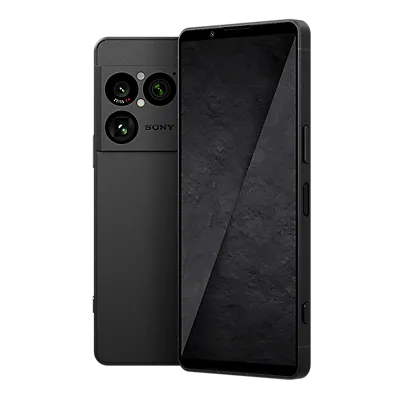
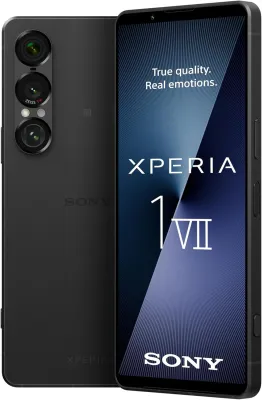
#46 Sony Xperia 1 VII deals
Expert reviews · 4 sources
256GB
Check Deals 4 deals
#47 Xiaomi Poco F7 deals
Expert reviews · 4 sources
512GB 256GB
Check Deals 2 deals
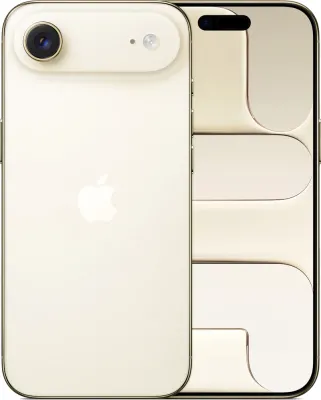
#48 Apple iPhone Air deals
Expert reviews · 5 sources
Contracts £32 avg/m
Upgrades £42 avg/m
SIM Free £749
512GB 1TB 256GB 128GB
Check Deals 6080 deals
#49 Apple iPhone 14 Pro deals
Expert reviews · 5 sources
Contracts £26 avg/m
Upgrades £26 avg/m
SIM Free £300
128GB 256GB 1TB 512GB
Check Deals 752 deals
#50 Honor 400 Pro deals
Expert reviews · 3 sources
Contracts £43 avg/m
Upgrades £35 avg/m
SIM Free £479
512GB
Check Deals 182 deals

Our ranking of the best 120Hz display phones in the UK for 2026, updated daily with the latest contract deals, SIM-free prices and pay-monthly offers. Whether you spend your day scrolling social feeds, swiping through emails or playing high-frame-rate mobile games, a 120Hz panel makes every interaction feel noticeably smoother than the 60Hz screens still found on entry-level handsets.

Leading the pack right now are the Apple iPhone 17 Pro and 17 Pro Max with their LTPO ProMotion displays, the Samsung Galaxy S26 series with adaptive AMOLED 2X, the Pixel 10 Pro with its Actua panel, the Honor Magic 8 Pro and the OnePlus 15 with its 2K ProXDR screen.

Compare deals from leading UK retailers, buy outright or on contract from £25/month, and find the perfect 120Hz phone for your budget.

What does 120Hz actually mean, and is it worth paying for?

Refresh rate is measured in hertz (Hz) and describes how many times per second a display redraws the image. A 60Hz screen refreshes 60 times a second, a 120Hz screen refreshes 120 times a second. The higher the rate, the smoother on-screen motion appears, from scrolling text to fast-moving game frames. The difference between 60Hz and 120Hz is the single most noticeable display upgrade most buyers will ever experience.

60Hz is still the baseline on the standard iPhone 17 and most sub-£300 Android handsets. It is usable for everyday tasks but feels visibly choppy alongside a 120Hz phone. 90Hz is a common middle ground on budget Androids like the Pixel 9a and Galaxy A36, smoothing out scrolling without the battery cost of a full 120Hz panel. 120Hz is the flagship standard in 2026, found on every Pro-tier iPhone, every Galaxy S26, every Pixel Pro and almost all flagship Androids. Above 120Hz you'll find 144Hz on some gaming phones like the Asus ROG Phone 9, but the perceptual gain over 120Hz is small.

LTPO (low-temperature polycrystalline oxide) is the technology that makes 120Hz practical on a phone. An LTPO panel can dynamically vary its refresh rate, typically from 1Hz to 120Hz, in real time based on what's on screen. When you're reading a static webpage the panel drops to 1Hz or 10Hz to save battery, then ramps to 120Hz the instant you start scrolling. Apple calls its implementation ProMotion, Samsung calls it adaptive AMOLED 2X, but the principle is identical.

Perceived benefits go beyond gaming. Scrolling Twitter, swiping through Instagram, navigating Android or iOS, dragging an app icon - everything feels lighter and more responsive. Once you've used a 120Hz phone for a week, going back to a 60Hz display feels like watching a stuttering video. Gaming benefits depend on the title. Most mobile games are still capped at 60fps by the developer, so the screen runs at 120Hz but the game itself renders 60 frames a second. A growing list of titles - Genshin Impact, Call of Duty Mobile, PUBG Mobile, Diablo Immortal - do support 120fps modes on flagship hardware.

Battery impact is real but smaller than it used to be. A fixed 120Hz panel can knock 10-20% off battery life compared to 60Hz. LTPO adaptive panels close that gap dramatically by dropping the refresh rate whenever the screen is static. Budget phones still ship with 90Hz or 60Hz because LTPO panels are expensive. The Apple iPhone 17 standard sticks with 60Hz primarily to maintain a gap between the standard and Pro lineup, a decision Apple has been criticised for since 2021.

Ready to find a smoother phone? Compare today's 120Hz deals from Vodafone, EE, O2, Three and Sky Mobile using the filters above.

Frequently Asked Questions

What is 120Hz refresh rate?
120Hz means the phone's display refreshes 120 times per second, twice as often as a standard 60Hz screen. This produces visibly smoother scrolling, animations, video playback and gaming. The higher the refresh rate, the more frames the screen can show per second, so motion looks fluid rather than choppy. Almost every flagship phone sold in the UK in 2026 has a 120Hz display.
Do I need a 120Hz phone?
If you scroll social media, play mobile games, watch sport or simply want your phone to feel modern and responsive, yes. The jump from 60Hz to 120Hz is the single most obvious display upgrade most buyers will ever experience, more noticeable in day-to-day use than a resolution bump. If you only ever read, text and call, a 90Hz mid-range phone will save you money without feeling sluggish.
What's the difference between 90Hz and 120Hz?
90Hz is a noticeable improvement over 60Hz - scrolling looks smoother and animations feel less choppy. 120Hz pushes that further, with the smoothness becoming almost glassy. The gap from 60Hz to 90Hz is bigger than the gap from 90Hz to 120Hz, so a 90Hz mid-range phone like the Pixel 9a still feels great. Most flagships skip 90Hz entirely and go straight to LTPO 120Hz.
Does 120Hz drain battery faster?
It can, but modern LTPO panels reduce the impact dramatically. An adaptive 1-120Hz display drops to as low as 1Hz when the screen is static (reading, watching a still image, lock screen always-on) and only ramps to 120Hz when you scroll or animate. The real-world battery hit on a flagship in 2026 is typically 5-10%, which is why every Pro-tier iPhone, Galaxy S26 and Pixel Pro ships with 120Hz enabled by default.
Which budget phones have 120Hz?
True 120Hz is rare under £300 in 2026 because LTPO panels are expensive. Standouts include the Nothing Phone 3a, Samsung Galaxy A56, Xiaomi Redmi Note 14 Pro and Motorola Edge 50 Neo, all offering 120Hz AMOLED at sub-£400 prices. Below £250, you're more likely to find non-adaptive 120Hz LCDs or 90Hz panels. Use our filters to sort 120Hz phones by price.
Why doesn't the iPhone 17 standard have 120Hz?
Apple reserves its 120Hz ProMotion display for the Pro and Pro Max models to maintain a clear differentiation between the standard and Pro lineup. The iPhone 17 and iPhone 17 Plus stick with 60Hz LTPS panels, the same refresh rate Apple has used on standard iPhones since the original 2007 launch. It's the single biggest criticism levelled at the standard iPhone in 2026, and the easiest reason to step up to the iPhone 17 Pro.
What is LTPO?
LTPO stands for low-temperature polycrystalline oxide, a backplane technology that lets an OLED display vary its refresh rate in real time, typically from 1Hz to 120Hz. When you're reading a static webpage the panel drops to 1Hz or 10Hz to save battery, then ramps to 120Hz the instant you start scrolling. LTPO is what makes 120Hz practical on a phone without destroying battery life, and it's standard on every flagship in our top 10.
Is 120Hz worth it for gaming?
Yes, but with caveats. Most mobile games are still capped at 60fps by the developer, so a 120Hz screen running a 60fps game shows each frame twice. However, a growing list of titles - Genshin Impact, Call of Duty Mobile, PUBG Mobile, Diablo Immortal - support 120fps on flagship hardware. Even in 60fps games, a 120Hz panel improves touch sampling rate and UI smoothness, which matters in competitive play.

Explore other rankings