






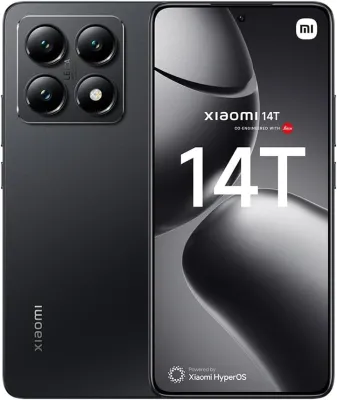

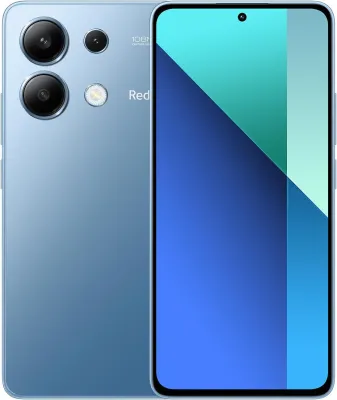
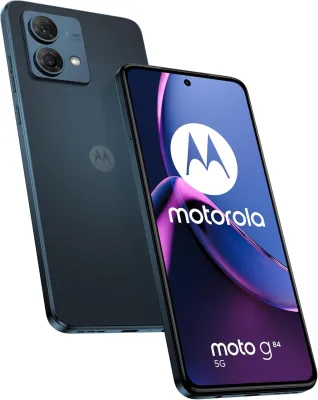




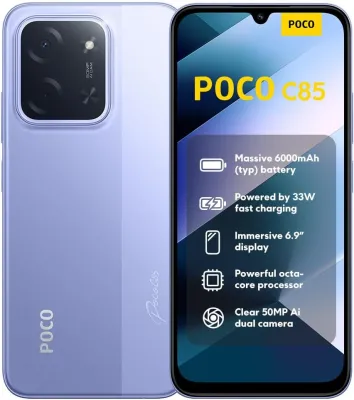
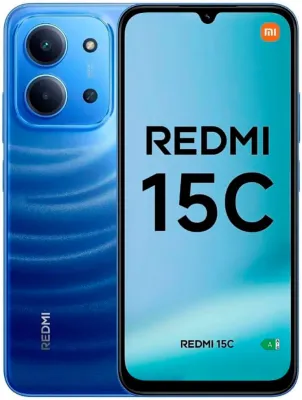
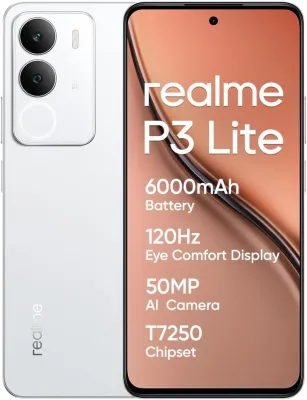
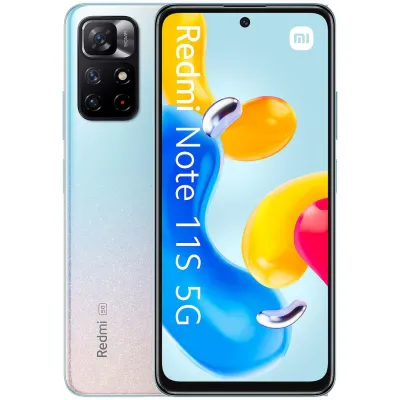

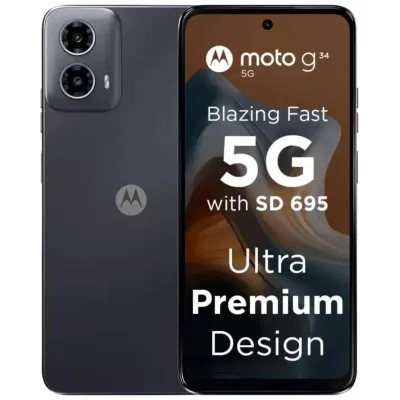
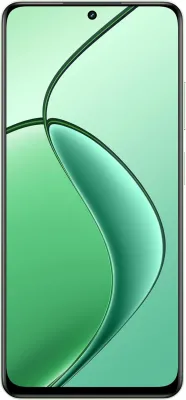
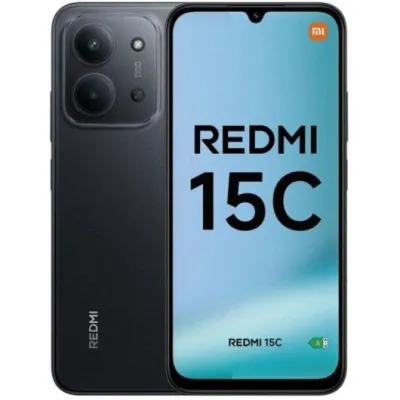

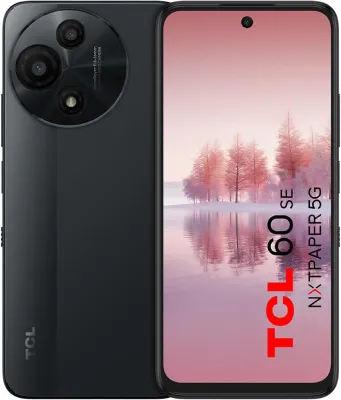
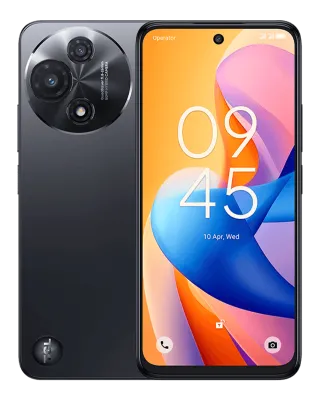
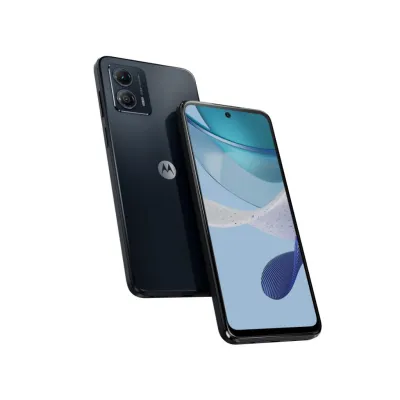


Our pick of the best cheap phones in the UK for 2026, updated daily with the latest SIM-free prices, contract deals and pay-monthly offers under £200. Whether you're buying a first phone for a child, a reliable second handset or simply refuse to spend flagship money on a device you'll replace in three years, this page compares the strongest budget Android phones ranked on battery, 5G, storage and long-term software support.
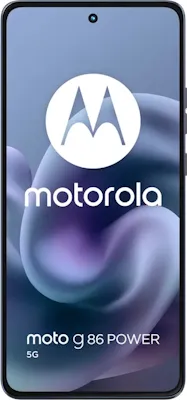
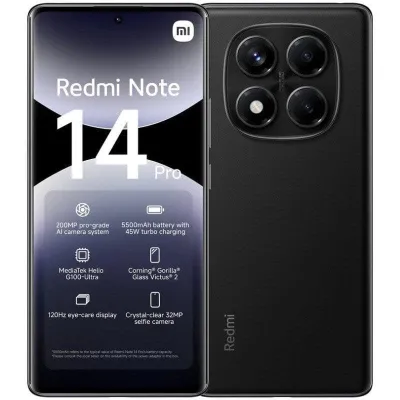
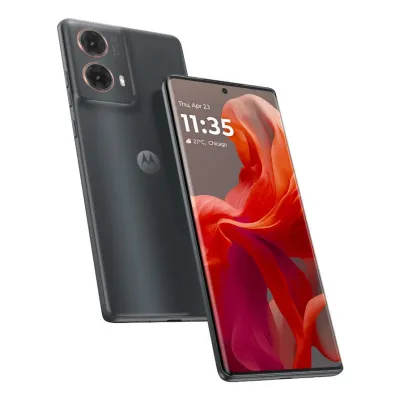
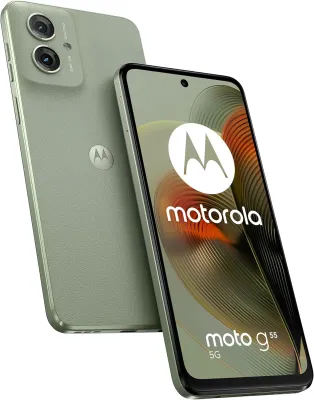
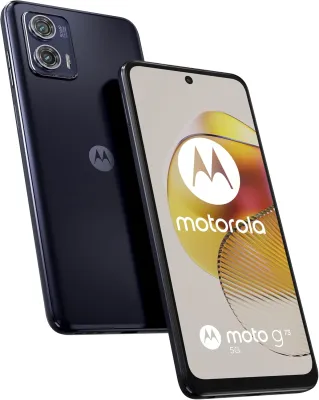
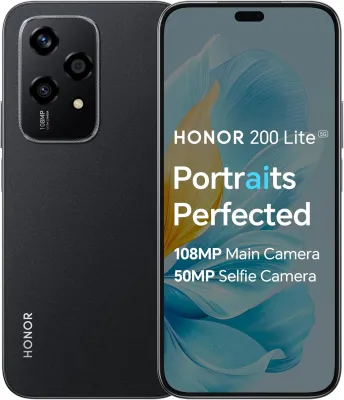
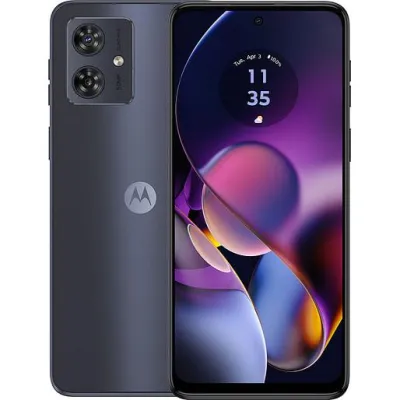
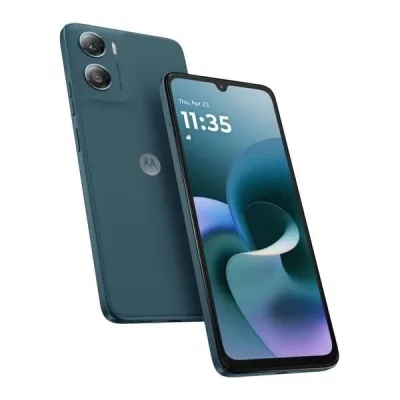
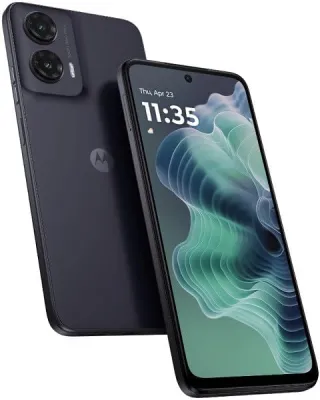
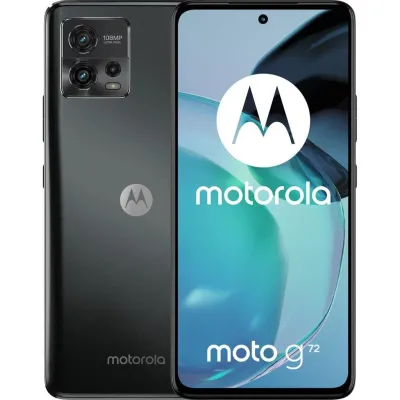
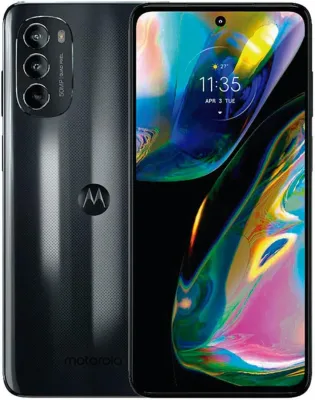
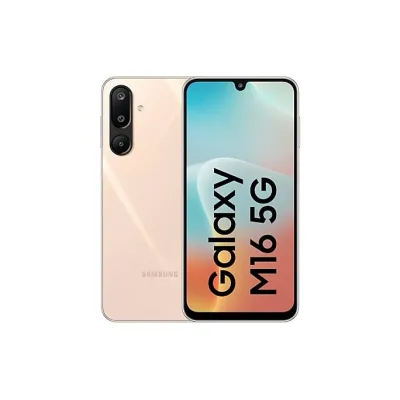
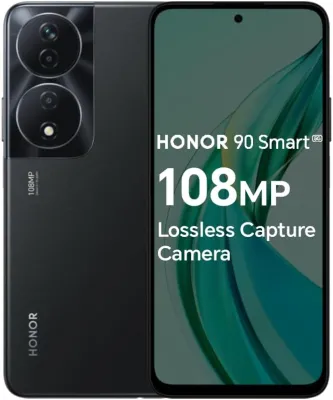
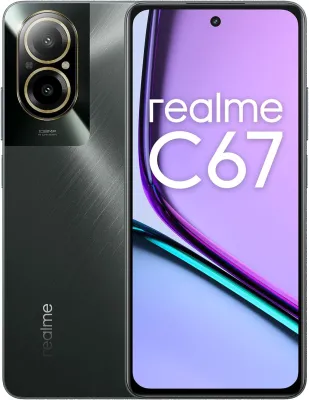
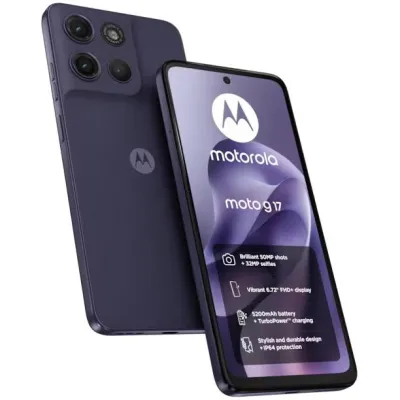
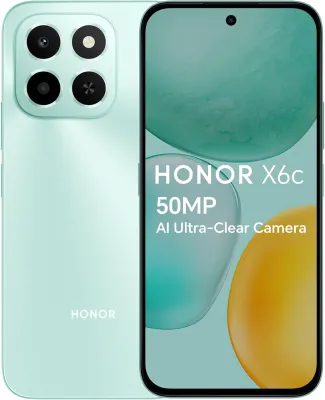
Leading the pack are the Samsung Galaxy A17 5G and A16 5G with six years of guaranteed Android updates, the Motorola Moto G55 5G and Moto G85 with their clean Android experience and 50MP cameras, the Xiaomi Redmi Note 14 with its 120Hz AMOLED display, and the Honor X9c and Realme C75 with their oversized 6,000mAh batteries.
Compare deals from leading UK retailers, buy outright from around £99 or on contract from £8/month, and find the right cheap phone without paying for features you'll never use.
What should you actually expect from a phone under £200 in 2026?
The sub-£200 market has changed more in two years than the flagship tier. 5G is now standard, AMOLED has trickled down from mid-range, 128GB storage is the norm, and Samsung and Motorola commit to four to six years of OS updates on handsets cheaper than a single month of a flagship contract. The trick is knowing where it's safe to compromise.
Battery is the one spec you should never skimp on. Budget phones now ship with 5,000-6,000mAh batteries, larger than most flagships. The Honor X9c and Realme C75 push to 6,000mAh and last two days, while the Galaxy A17 and Moto G55 hold a full day with the screen cranked up. If a 2026 phone has less than 5,000mAh, it's been cost-engineered in the wrong place.
5G is non-negotiable. UK operators have stopped expanding 4G and are retiring 3G entirely. A 4G-only phone today will feel sluggish in two years. The Galaxy A06 5G, A16 5G, A17 5G, Moto G55 5G and Redmi Note 14 5G all hit this bar for under £200. Storage should also start at 128GB - 64GB phones fill up fast once WhatsApp, a few games and a year of photos pile up. Samsung A and Motorola G series still include microSD slots; Xiaomi and Honor have mostly dropped them.
Where it's fine to compromise: camera, refresh rate and build. Budget cameras have improved but remain behind mid-range in low light and at zoom. A 90Hz LCD is fine for everyday scrolling. Plastic backs cost less to replace if dropped.
Software support is the hidden flagship feature. Samsung offers six years of Android updates on the A16 and A17 - class-leading at this price. Motorola covers two to three years, Xiaomi four on Redmi Note, Honor and Realme two. A Samsung A17 bought today still gets security patches in 2032.
Refurbished flagships are the secret weapon. £200 buys a Grade A refurbished iPhone 13, Galaxy S22 or Pixel 7 from reputable UK resellers, any of which out-performs a new budget phone on camera, screen and processor. Tradeoffs: shorter software lifespan and battery health around 85-90%.
Contract vs SIM-free: at this tier, SIM-free almost always wins. A £160 phone plus a £10/month SIM costs £400 over two years. The same handset on contract is typically £15-£20/month for £360-£480 and you're locked in. Buy outright with Klarna or credit card, then pair with a cheap SIM-only from Smarty, Lebara or iD Mobile.