

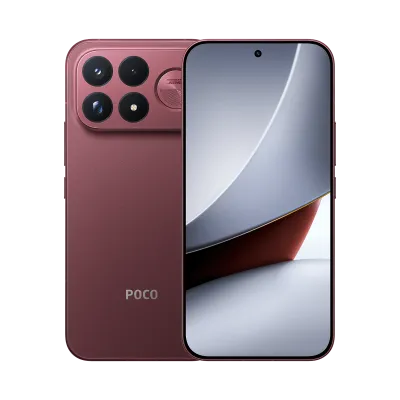
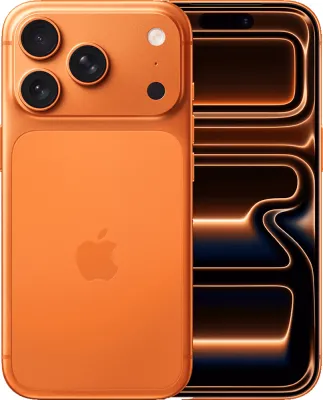
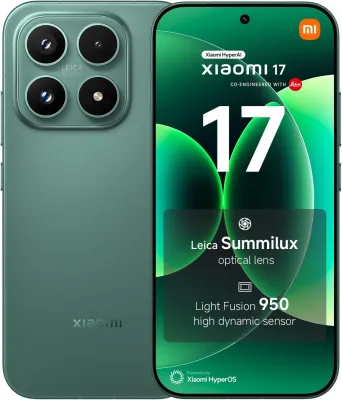
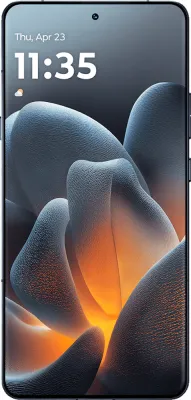
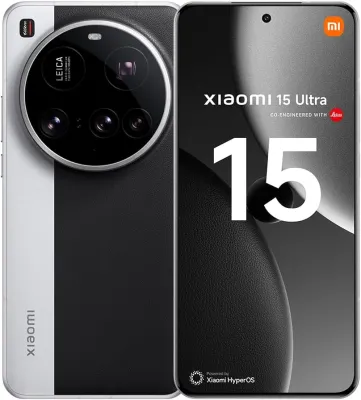
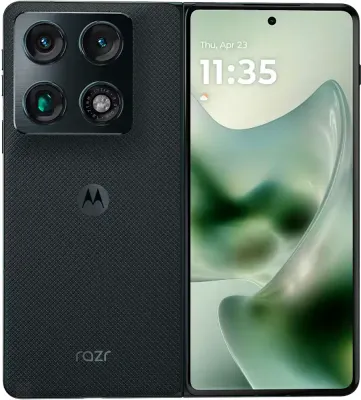
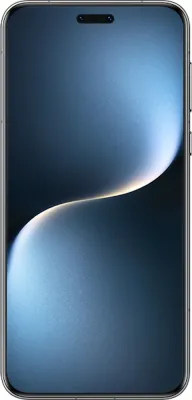
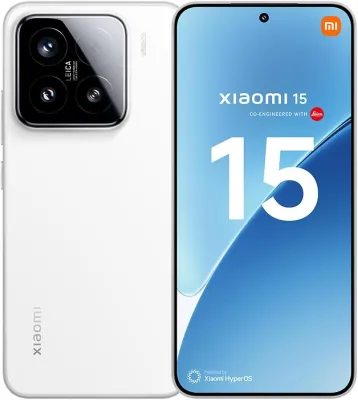
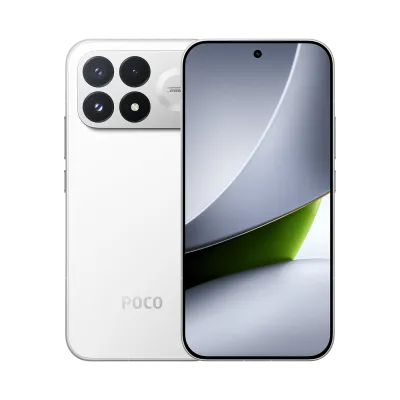


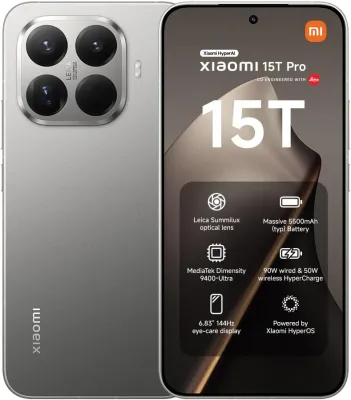
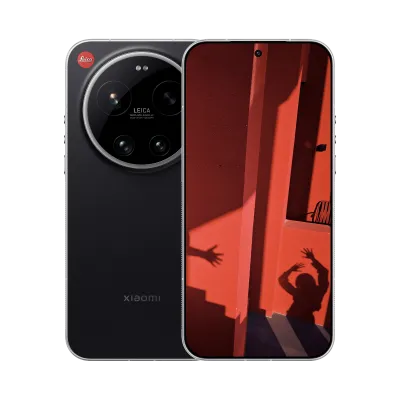
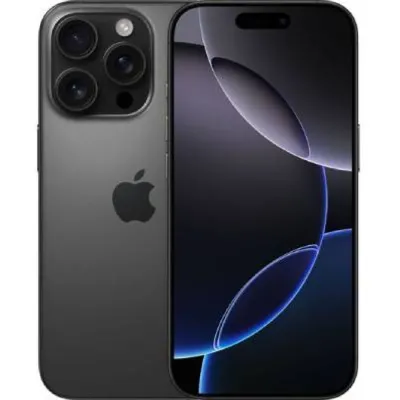
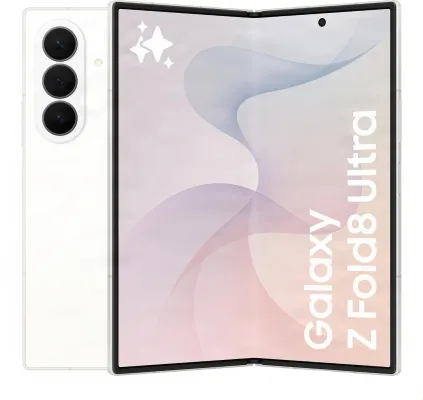
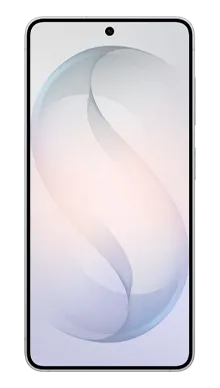
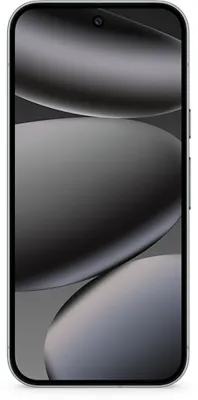
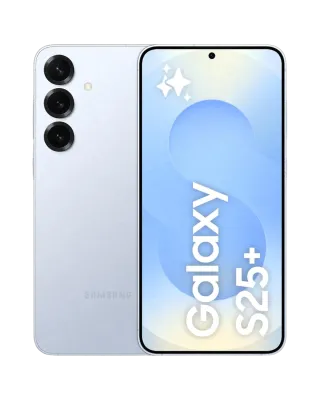
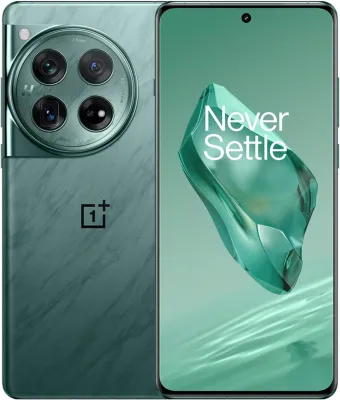
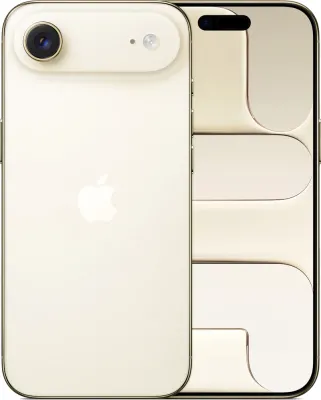
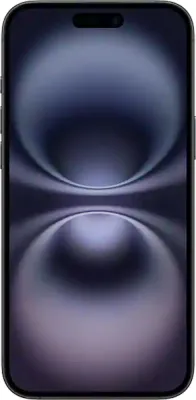
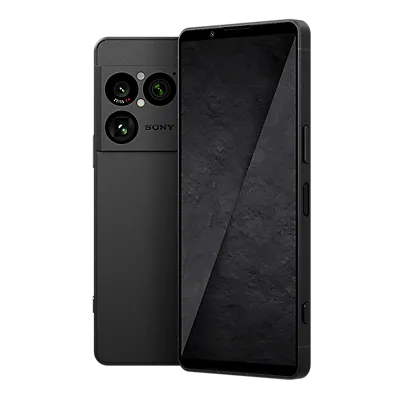
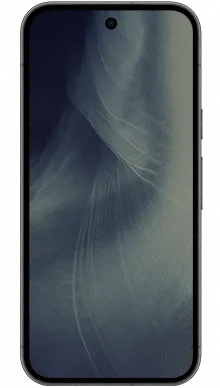
Our up-to-date ranking of the best phones with wireless charging in the UK for 2026, refreshed daily with the latest contract deals, SIM-free prices and pay-monthly offers from across the market. Whether you want a cable-free bedside top-up, a MagSafe puck on your desk or a Qi2 stand in the car, this page compares handsets that support the wireless charging standards worth caring about.
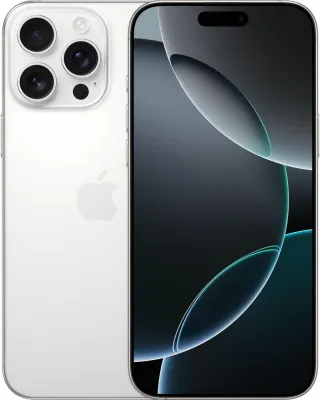
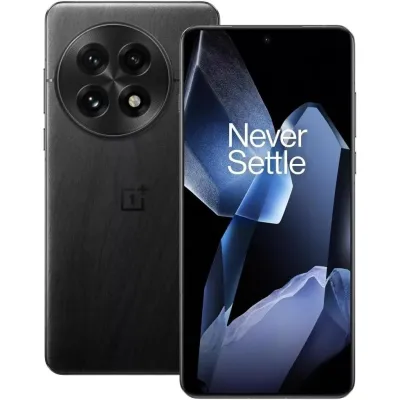
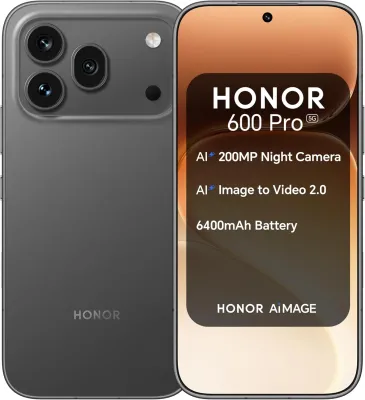
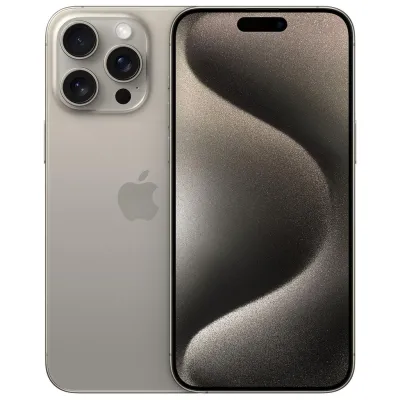
Headlining the list are the Apple iPhone 17 Pro Max with 25W MagSafe, the Samsung Galaxy S26 Ultra with 15W Qi2 plus 4.5W reverse wireless, and the Google Pixel 10 Pro with its Pixel Stand fast-charging support. Honor, Xiaomi and OnePlus flagships push the speeds even higher when paired with their own proprietary pads.
Compare wireless-charging-ready deals from leading UK retailers, buy outright or on contract from £29/month, and pick the phone that fits your charging setup at home, in the office and on the road.
What to look for in a wireless-charging phone in 2026
Wireless charging has moved from a flagship novelty to a near-standard feature on mid-range and premium phones in 2026, but not all implementations are equal. The pad you already own, the speed you actually get and the magnetic accessories you can use all depend on which standard the phone supports.
Qi vs Qi2 is the headline distinction. The original Qi standard, set by the Wireless Power Consortium, has been on phones since 2012 and typically delivers 5W to 15W on a standard pad. Qi2, finalised in late 2023 and now standard on most 2026 flagships, adds a Magnetic Power Profile borrowed directly from Apple's MagSafe, so the phone snaps to the charger and aligns the coils perfectly. The result is faster, cooler, more reliable charging and a thriving ecosystem of magnetic stands, wallets and car mounts.
MagSafe is Apple's branded version of the same idea, and on the iPhone 17 series it now tops out at 25W with a certified MagSafe charger. Every iPhone 17, 17 Plus, 17 Pro and 17 Pro Max supports MagSafe. Because Qi2 uses the same magnet placement, most modern Qi2 pads will also stick to and charge an iPhone, though usually at 15W rather than the full 25W.
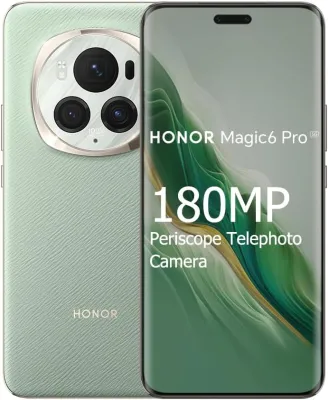
Speeds vary more than you might expect. A 5W pad will trickle-charge any Qi phone overnight without issue. 7.5W is the legacy ceiling for older iPhones on standard Qi. 15W is the practical sweet spot for most 2026 Android phones on Qi2. Flagships like the Xiaomi 16 Ultra and Honor Magic 8 Pro push proprietary wireless charging to 50W and beyond, but only on the manufacturer's own pad, with the speed dropping to 15W on any third-party Qi2 charger.
Reverse wireless charging lets your phone act as a charging pad for accessories like wireless earbuds, a smartwatch or a friend's phone in an emergency. Samsung Galaxy S26 and S26 Ultra, Google Pixel 10 and 10 Pro, and Honor Magic 8 Pro all support it at around 4.5W to 5W. It is genuinely useful for topping up Galaxy Buds or a Pixel Watch on the go, less practical for charging another phone given the speeds involved.
Heat is the trade-off. Wireless charging is less efficient than wired, so more of the energy ends up as heat in the phone, which can throttle charging speeds and, over years of use, accelerate battery wear. Phones with active cooling on their chargers (like the official Samsung and Apple pads) maintain higher speeds for longer without thermal throttling.
Convenience vs speed is the real choice. Wired charging will always be faster - the Xiaomi 16 Ultra hits 100W wired versus 50W wireless, and most flagships go from flat to 50% in under 20 minutes on a cable. Wireless is for the moments when you simply drop the phone on a surface and walk away. Most owners use both: wired for a fast top-up, wireless for overnight and desk use.
Ready to find your next wireless-charging phone? Compare today's deals from Vodafone, EE, O2 and Three using the filters above.