
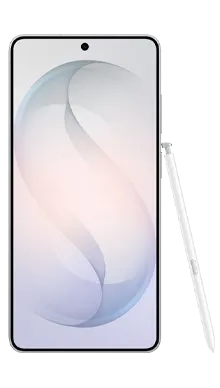
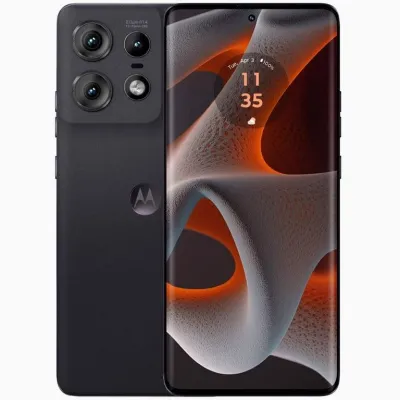
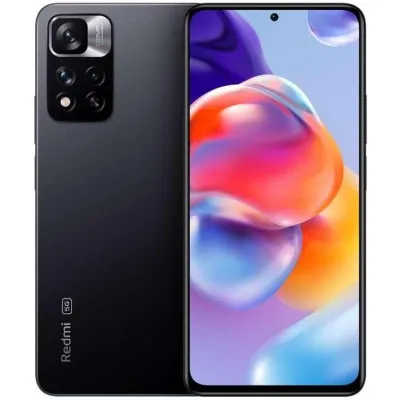
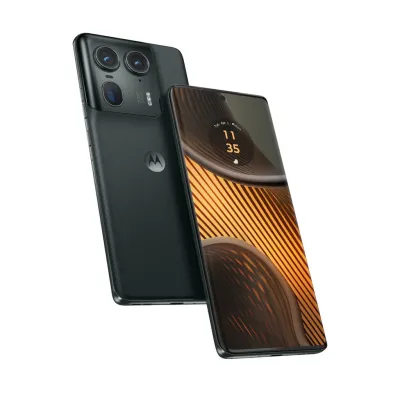
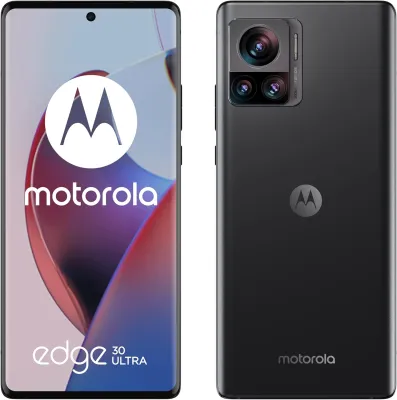
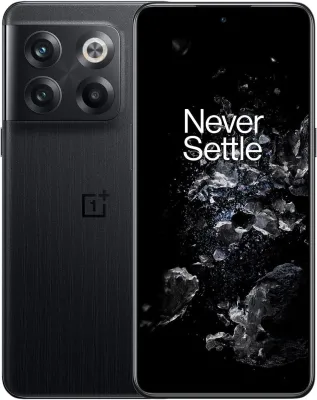
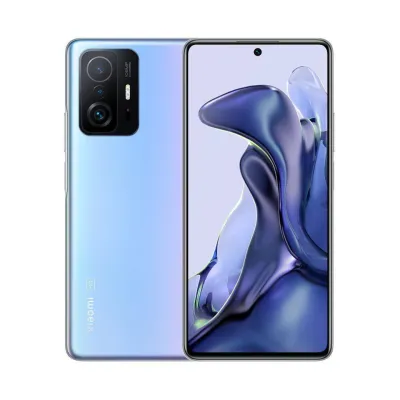
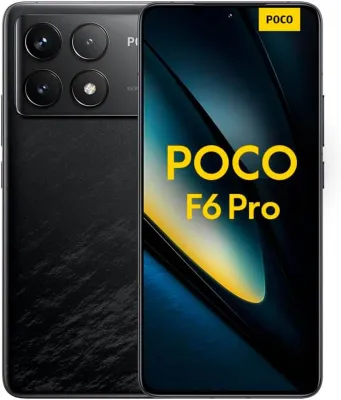
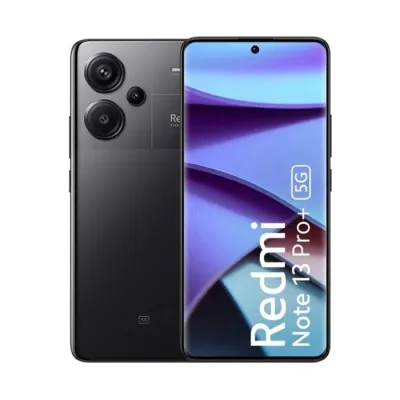
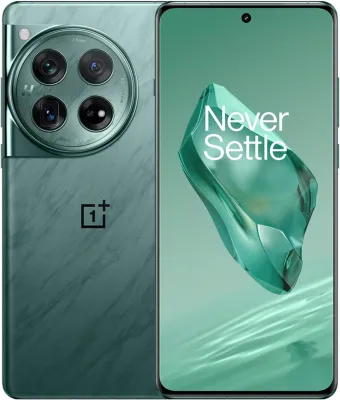
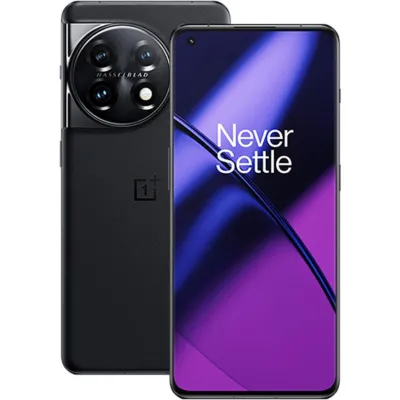
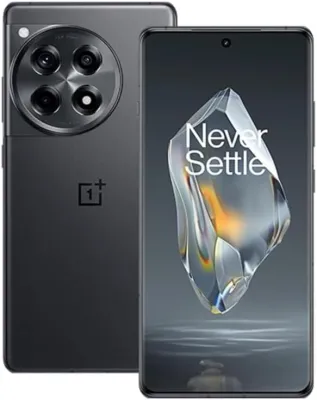
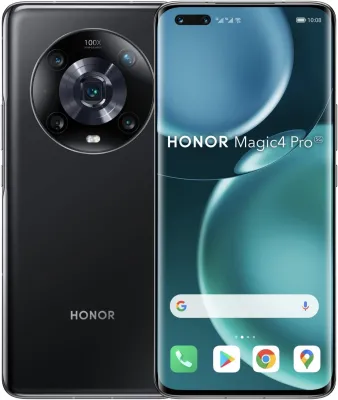
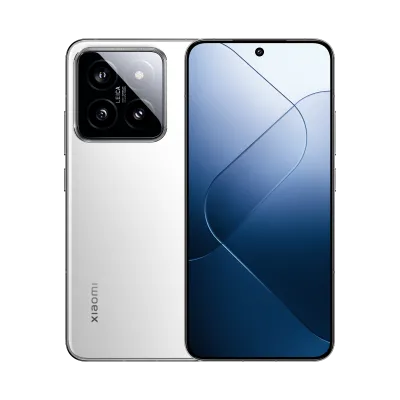
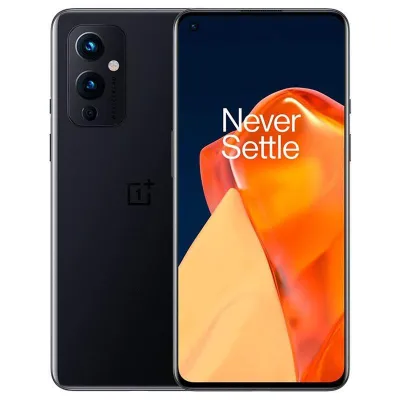
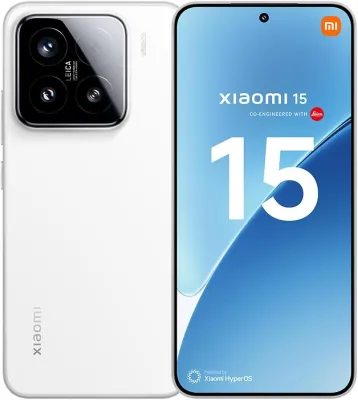
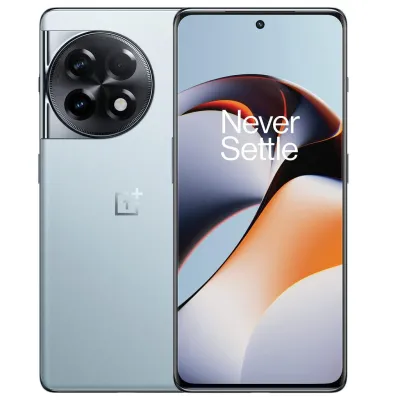
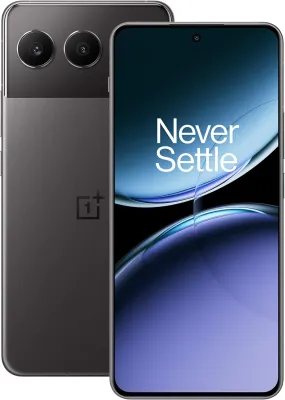
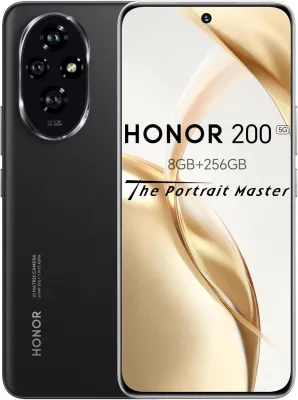
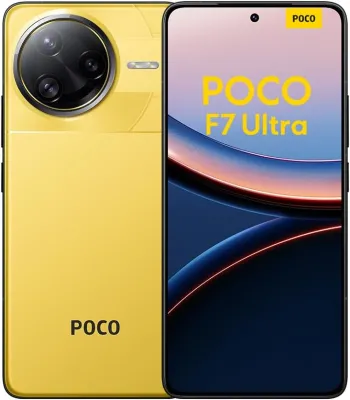
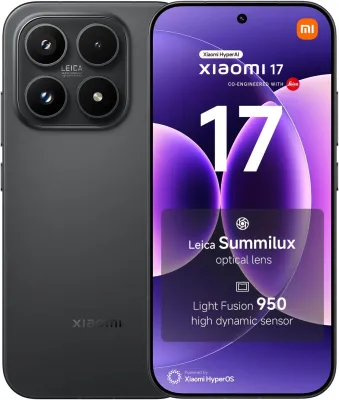
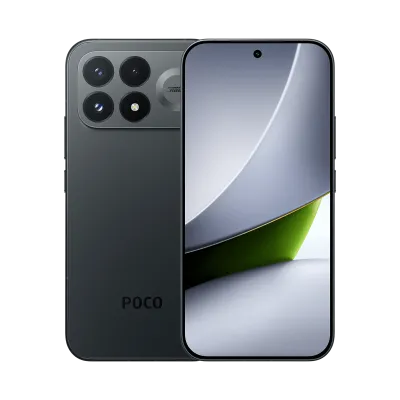
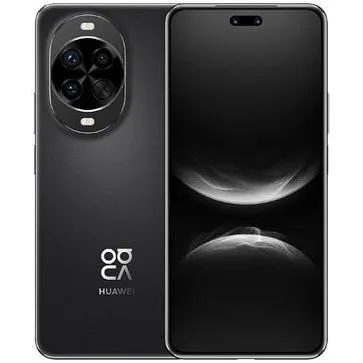
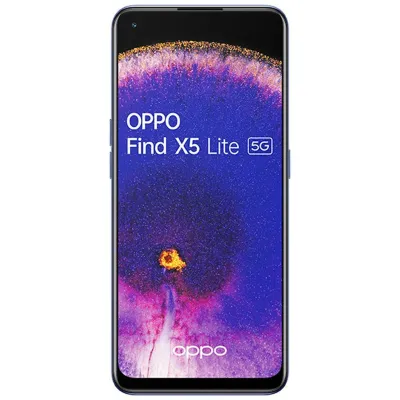
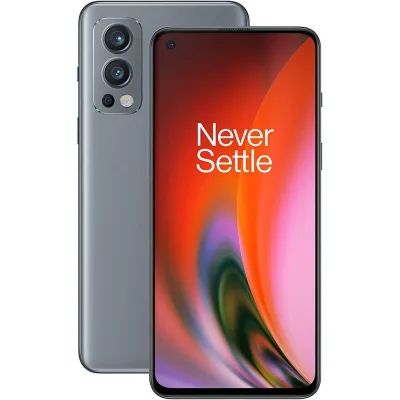
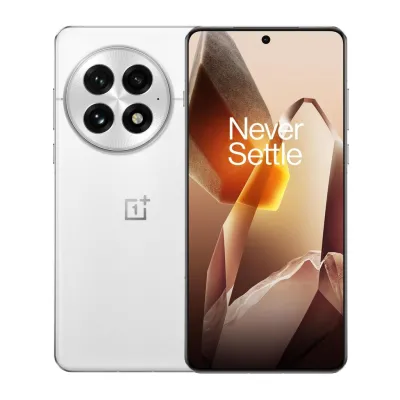
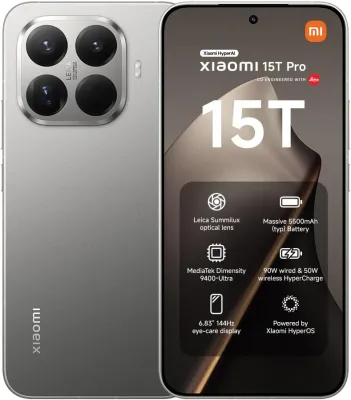
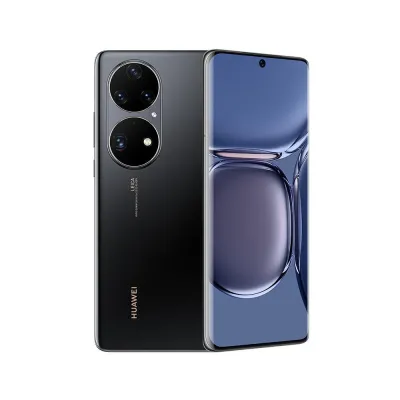
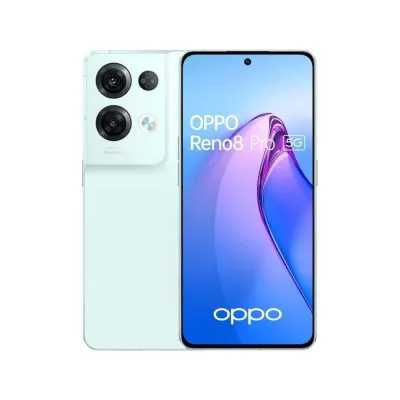
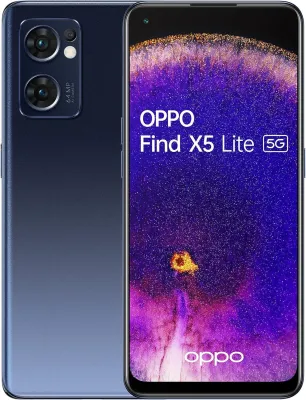
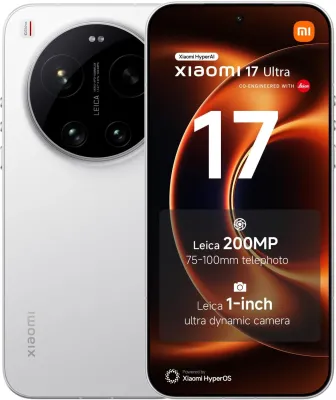
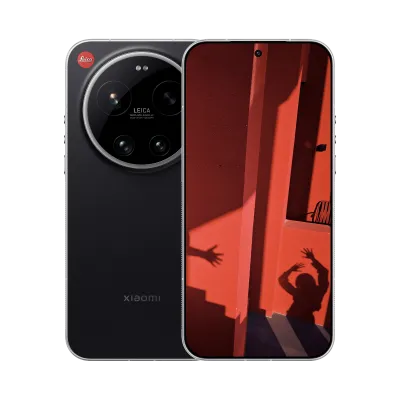
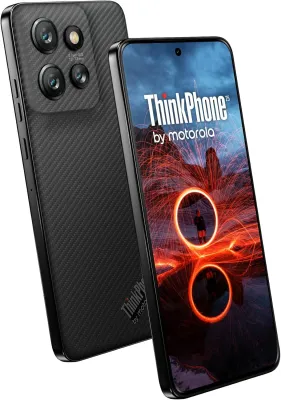
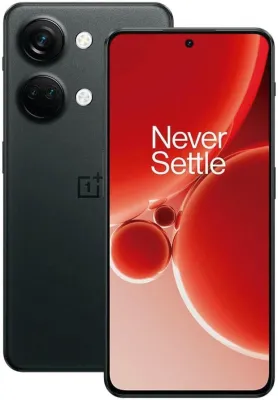
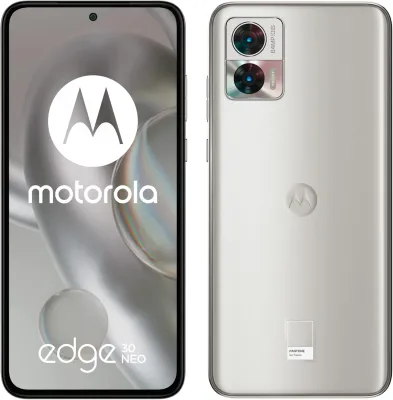
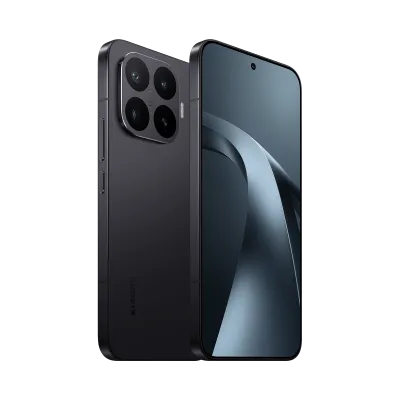
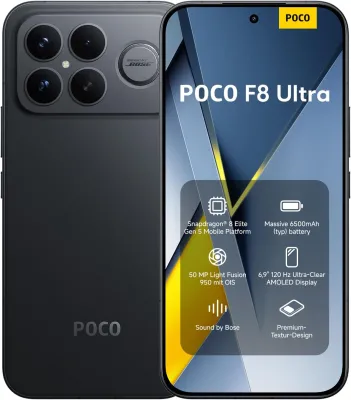
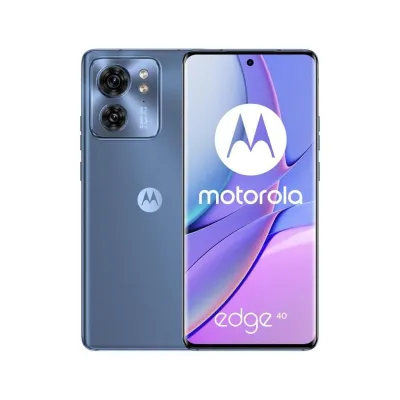

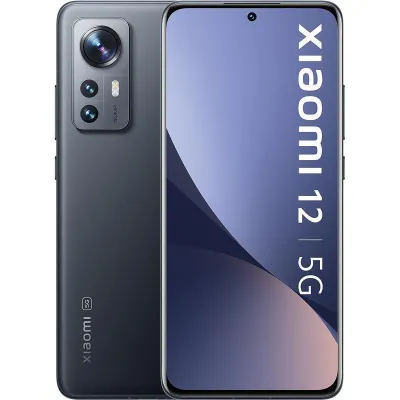
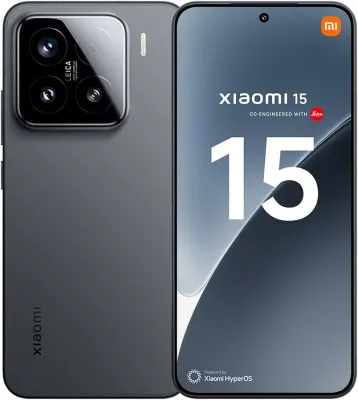
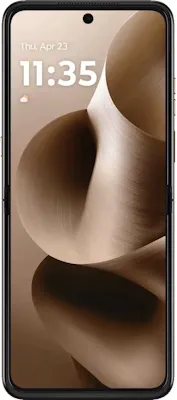
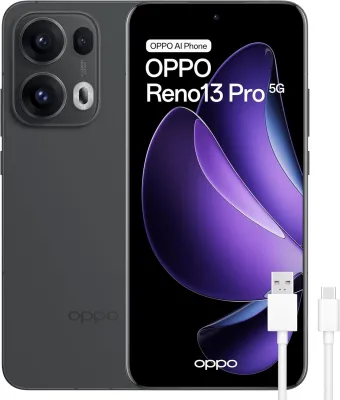
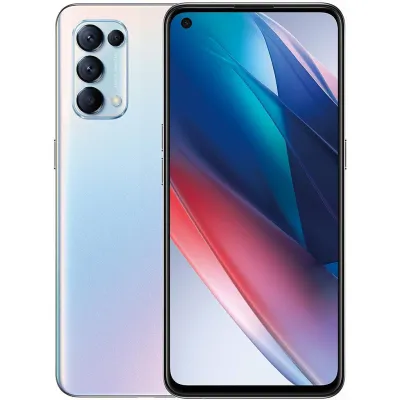
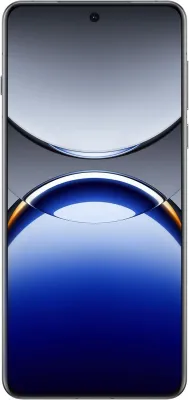
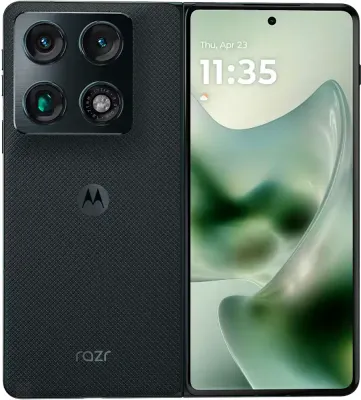
Looking for the fastest charging phone the UK has in 2026? This page ranks the top 50 of the 452 phones that carry a charging spec we can score and at least one live UK deal, ordering them on wired charging wattage with a small bonus for wireless, so you can refuel in minutes rather than hours. We rank on the charger sold here, not the fastest one a manufacturer offers somewhere else.
The top of the list belongs to the 120W and 125W handsets from Android makers that still ship a proprietary brick in the box, and most of those fill a flat battery in under half an hour. 125W is the fastest UK charger we credit anywhere in the catalogue and only three phones reach it, all of them Motorola Edge models. 36 of the 50 charge at 100W or faster, and nothing slower than 80W makes the cut. Wattage is not the whole story though: a 125W charger filling a smaller cell finishes sooner than 100W filling a very large one, so check the capacity alongside the headline figure. The live table above is rebuilt daily.
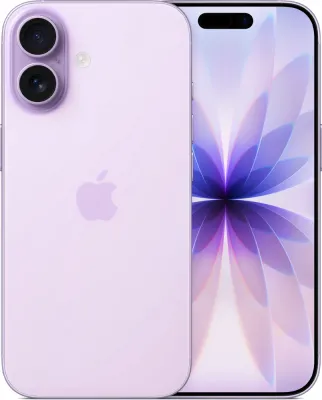
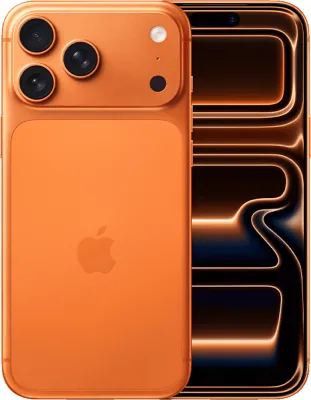
Notice who is not at the top? Apple publishes no wired wattage for the iPhone at all, quoting a time to 50% instead, and Samsung's fastest is 60W on the Galaxy S26 Ultra, because both prioritise long-term battery health over headline charging speed. Tap any phone in the table to see its live deals, then filter by network, contract length and condition on the deal page.
What makes a fast-charging phone?
Wired wattage is the headline number. The industry has climbed in clear steps: 5W (the original iPhone brick), 18W (USB Power Delivery basics), 30W, 65W, 100W and 125W, with a handful of grey-import models pushing 150W and beyond that never reach UK shelves. Higher wattage means more electrical power flowing into the battery, which translates directly to a shorter charge time. A 100W phone like the OnePlus 13 goes 0-100% in about 36 minutes, while 125W on the smaller-celled Motorola Edge 50 Pro does it in 18, and a 65W phone takes around 40 minutes. Apple is the exception that gives you no number to work with: it publishes a time to 50% rather than a wattage, so there is nothing to line up against the rest.
Diminishing returns kick in early. The jump from 18W to 65W cuts charging time roughly in half, genuinely transformative. The jump from 100W to 150W only saves around seven minutes. Our ranking scores wattage on a curve that compresses at every step up from 5W and caps the credit outright at 150W, because the real-world benefit shrinks fast and most users won't notice the difference between an 18-minute and a 25-minute top-up.
Wireless charging is a separate league. Standard Qi tops out around 15W, Apple's MagSafe runs at 15-25W, and proprietary wireless tech from Honor, Xiaomi and Oppo can push 50-100W, which is quicker off a pad than most Apple and Samsung handsets manage on a cable. Wireless is slower than wired by design (more heat, less efficient coil transfer) but the convenience of dropping a phone on a pad is hard to beat for overnight or desk use.
Why iPhone, Samsung and Pixel charge slowly. It isn't a technical limitation, all three could ship 100W phones tomorrow. Apple, Samsung and Google have made a deliberate engineering call to favour battery longevity (more charge cycles before degradation) and to avoid proprietary chargers that lock customers into one brand's ecosystem. They lean on universal USB-PD standards, which cap practical speeds well below what custom Chinese protocols achieve.
100% in X minutes vs raw wattage. Wattage is the input; minutes-to-full is the output. Manufacturers quote peak wattage, but real-world charging tapers sharply past 80% to protect the cell, so a 120W phone rarely sustains 120W for the full charge. Always compare full-cycle minutes when you can.
Heat and safety. Faster charging means more heat, which means more cooling hardware (vapour chambers, dual-cell batteries split into two halves charged in parallel). Brands like Honor, Xiaomi, OnePlus and Motorola Edge have invested heavily in this engineering. Samsung and Pixel sit mid-pack on speed and Apple sits lower still, but all three lead on long-term battery retention. Pair this page with our best battery life phones and best gaming phones guides, heavy gaming drains batteries fast, so charging speed matters more than ever.