
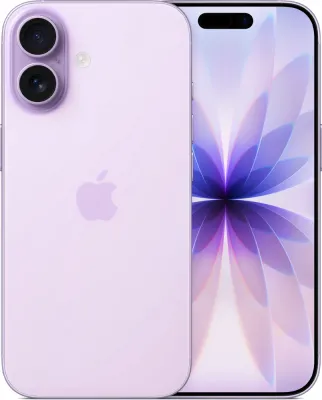

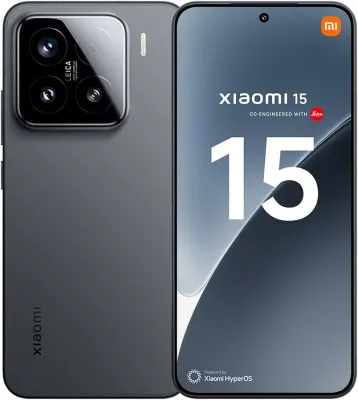
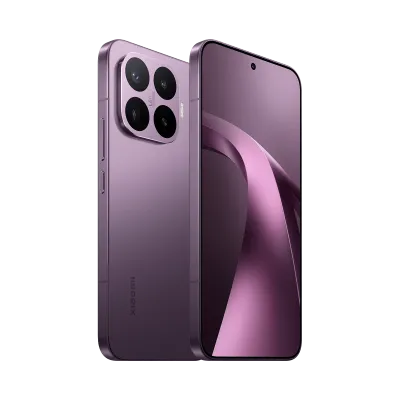
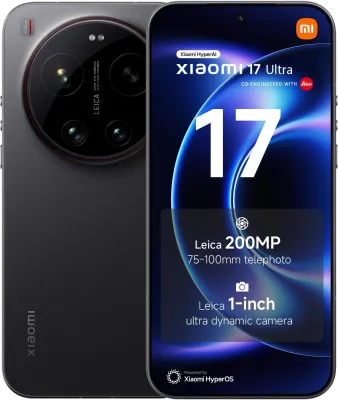
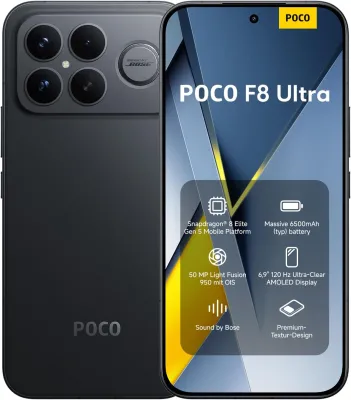

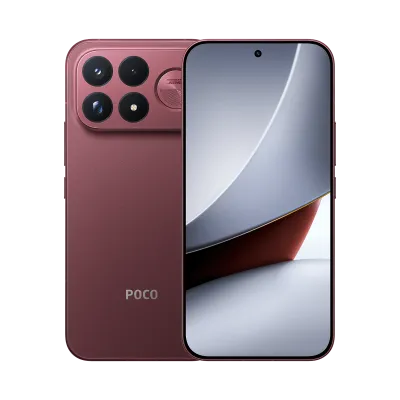
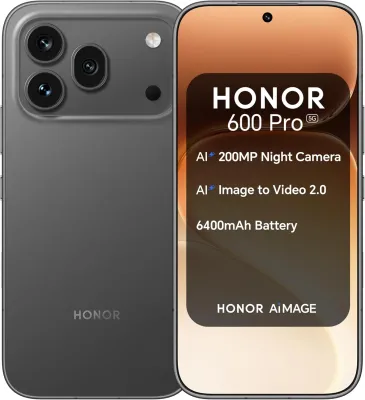
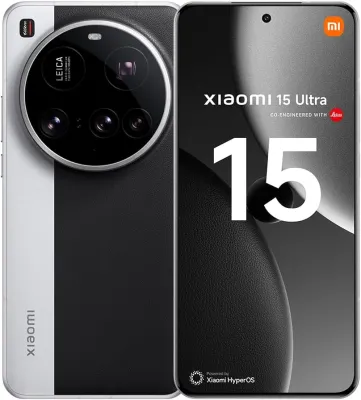
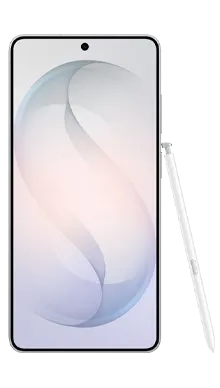
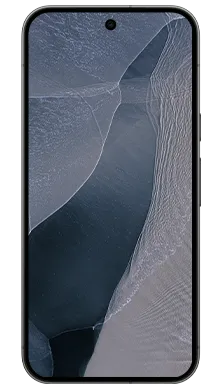
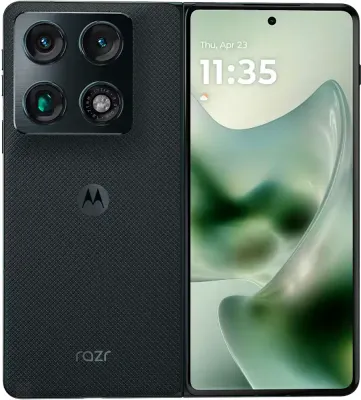
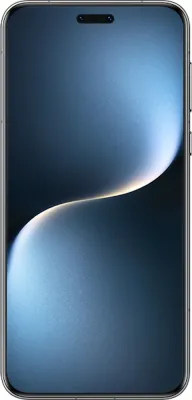


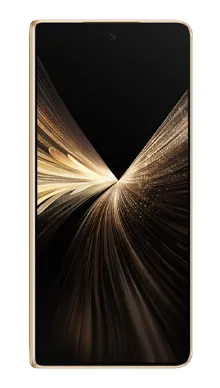
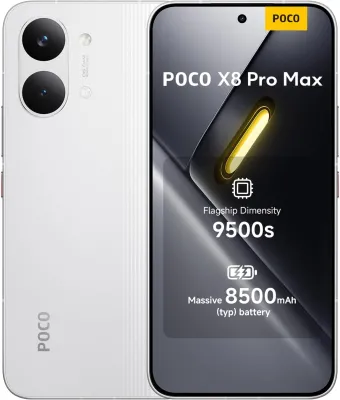
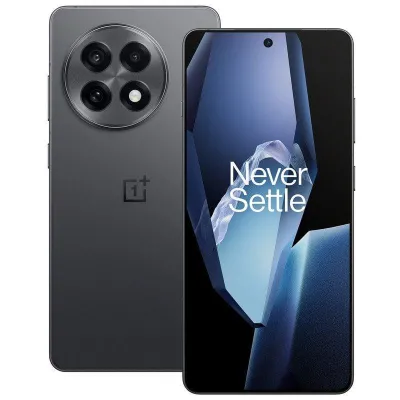
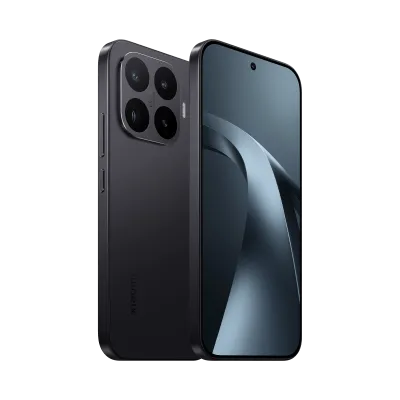
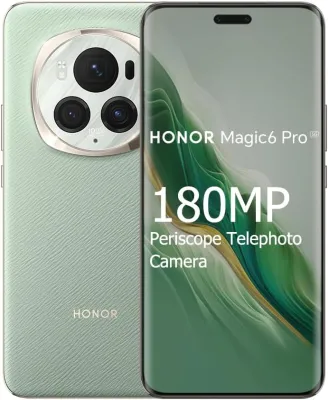
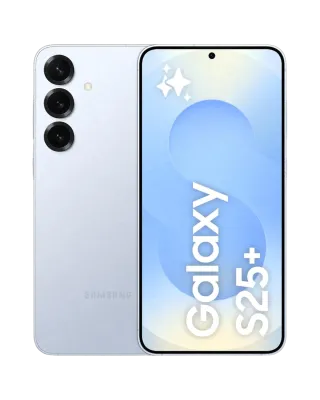
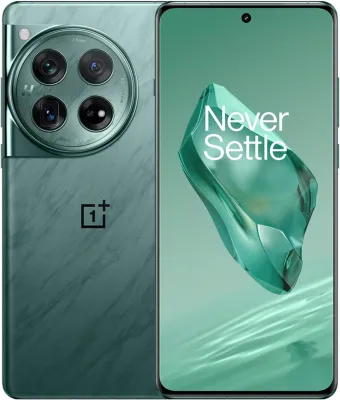
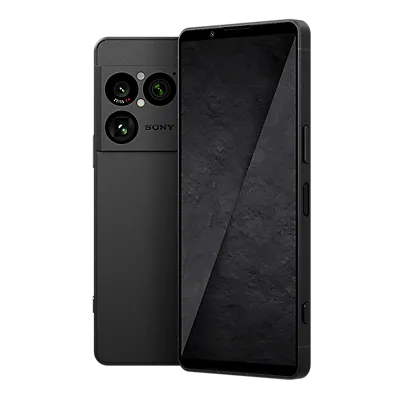
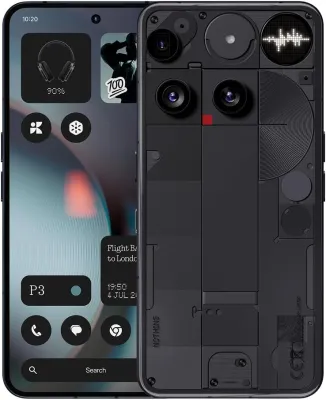
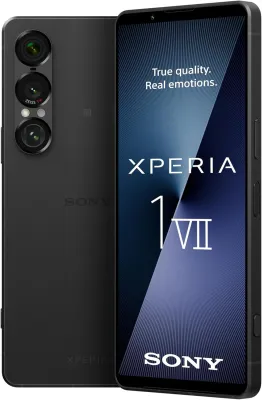
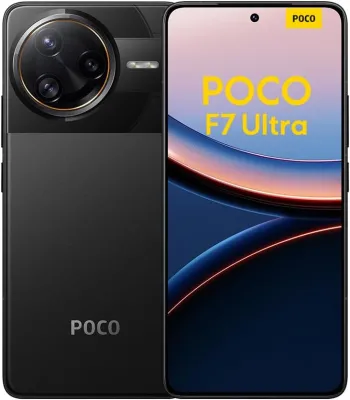
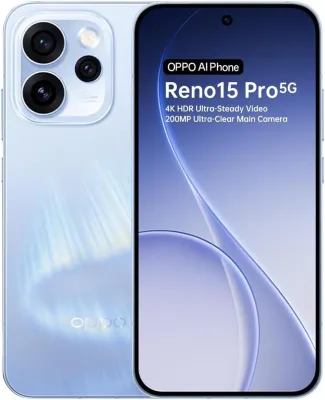
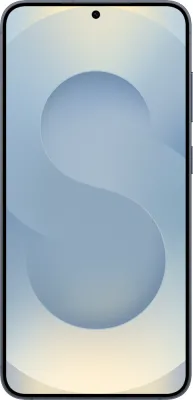
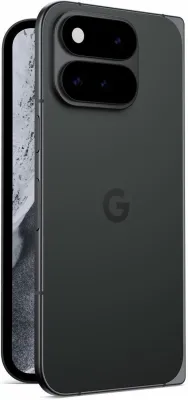
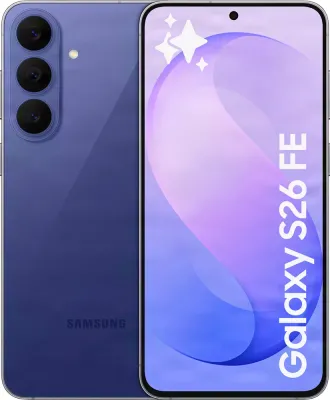
Our up-to-date ranking of the best phones with a fingerprint sensor in the UK for 2026, refreshed daily with contract, SIM-free and pay-monthly deals. Whether you want a sleek under-display reader or a fast physical side-mounted button, this page compares every handset in our database that supports fingerprint unlock.
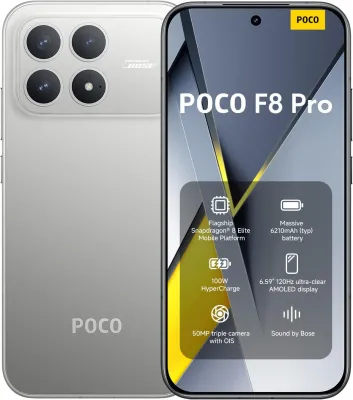
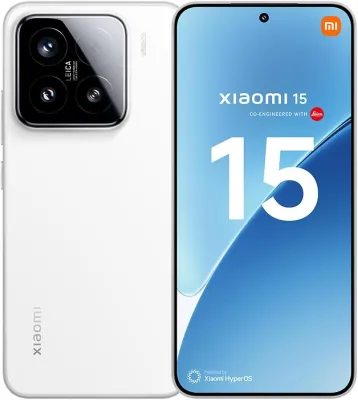
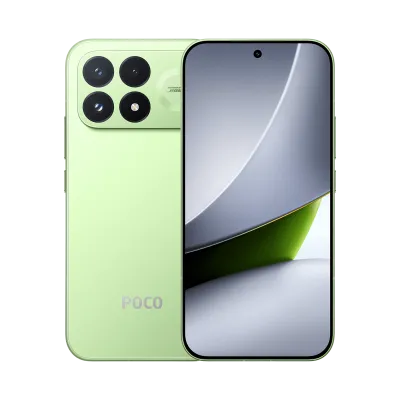
Leading the line-up are the Samsung Galaxy S26 Ultra with Qualcomm's 3D Sonic Gen 2 ultrasonic sensor, the OnePlus 13 Pro with a large-area optical reader, the Google Pixel 10 Pro with its second-generation optical sensor, and a wide range of mid-range Honor, Xiaomi, Motorola and Nothing handsets.
Compare today's contract deals from Vodafone, EE, O2, Three, Sky Mobile and iD Mobile, buy SIM-free outright, or sort by upfront cost, monthly price and contract length using the filters above.
Fingerprint sensors explained: types, speed and security
Fingerprint sensors come in three main flavours in 2026, and the type fitted to your phone affects unlock speed, reliability with wet or dirty fingers, and even how secure the reader is against spoofing. Knowing which is which makes choosing a handset easier.
Under-display optical sensors are the most common type on Android phones. A tiny camera sits beneath the OLED panel and takes a high-contrast photograph of your fingerprint when you press the highlighted area. The display briefly flashes bright white to illuminate the ridges. OnePlus, Google Pixel, Honor, Xiaomi, Motorola, Nothing and most Realme and Oppo handsets use optical sensors.
Under-display ultrasonic sensors are exclusive to Samsung Galaxy S and Z series flagships. Qualcomm's 3D Sonic Gen 2 emits high-frequency sound waves through the display glass and measures the echo bouncing off the ridges of your fingerprint. Because it builds a true 3D map rather than a 2D photograph, ultrasonic readers work better with damp or oily fingers, are harder to fool with a printed fake, and don't need the screen to flash.
Physical side-mounted fingerprint sensors are built into the power button. Sony, many Samsung Galaxy A models, the Google Pixel 9a and several Motorola phones use this approach. They are extremely fast, work regardless of screen state and function well with wet fingers because the contact area is small and self-clears. Rear-mounted sensors are now rare but still appear on budget Motorola, Nokia HMD and Honor X-series phones.
Apple iPhones do not have fingerprint sensors in 2026. The iPhone 17, 17 Pro, 17 Pro Max and 17 Air all rely on Face ID. Touch ID was last seen on the third-generation iPhone SE (2022) and Apple has consistently chosen Face ID since.
On speed, ultrasonic and side-mounted sensors unlock in around 0.2 seconds and optical readers are close behind at 0.25-0.3 seconds. Wet-finger reliability is where they diverge most: ultrasonic and side-mounted sensors cope well, while optical readers struggle because water droplets diffract the illumination flash.
All three sensor types meet the FIDO Alliance Level 2 requirements used by UK banking apps including Barclays, HSBC, Lloyds, NatWest, Monzo, Starling and Revolut, with false-acceptance rates typically around one in 50,000.