
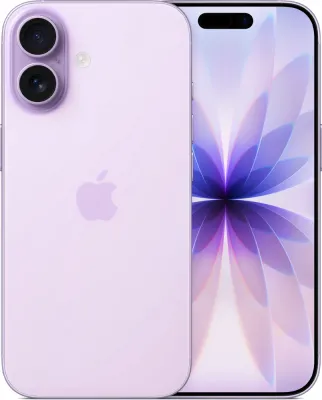
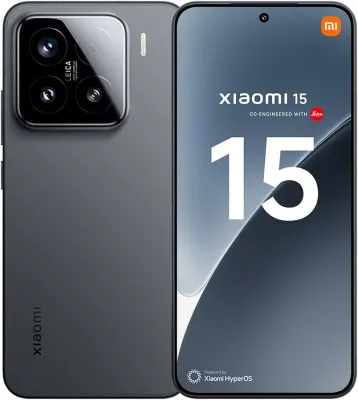
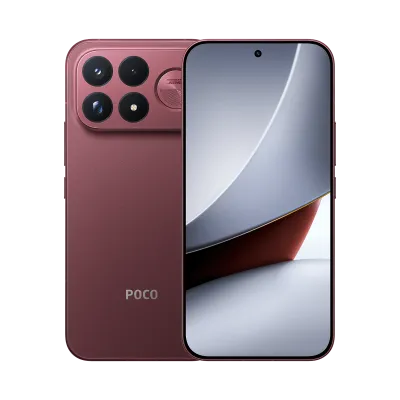
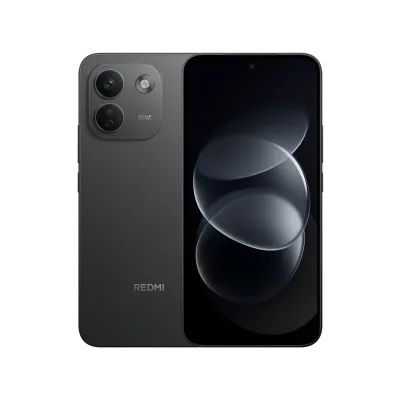
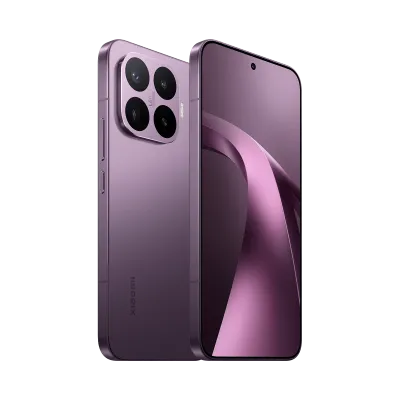
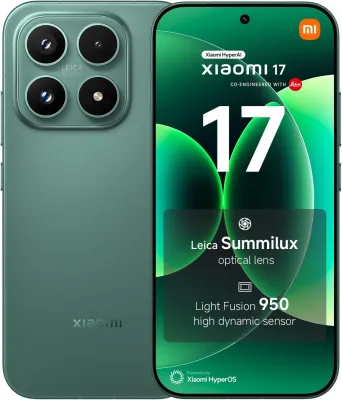
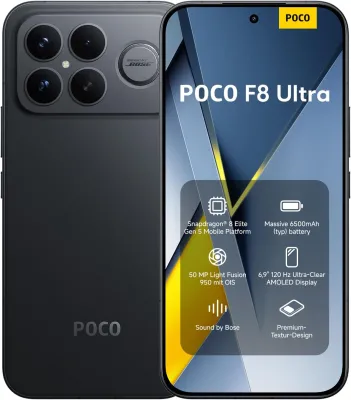
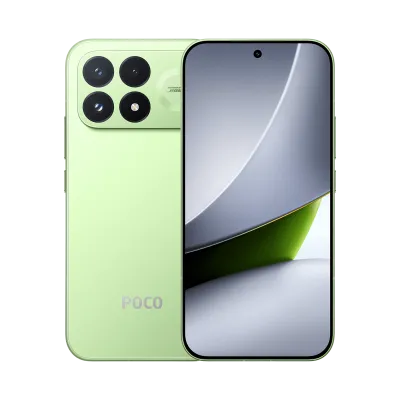

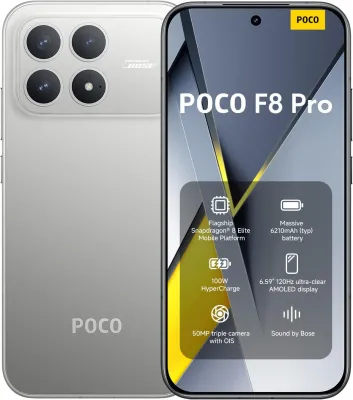
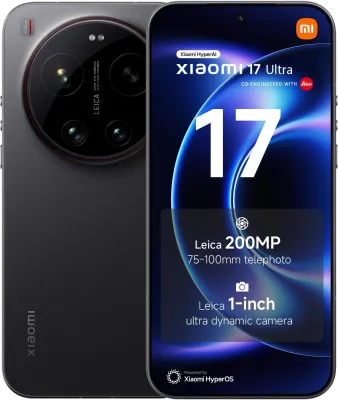
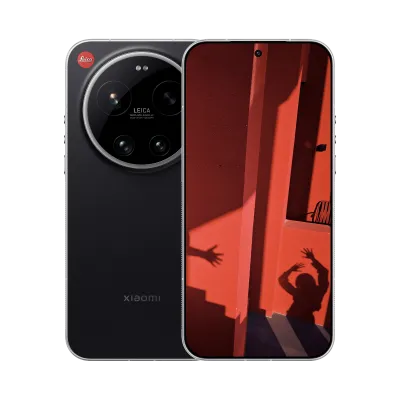
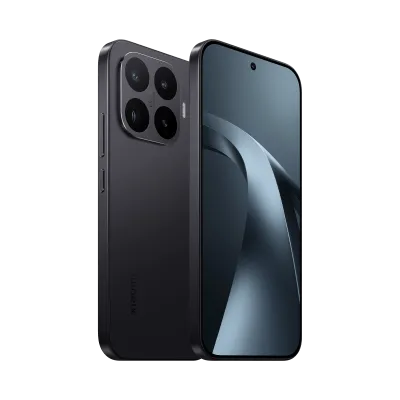
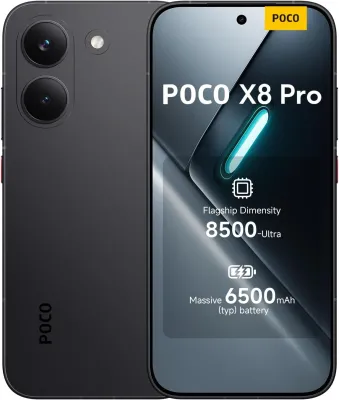
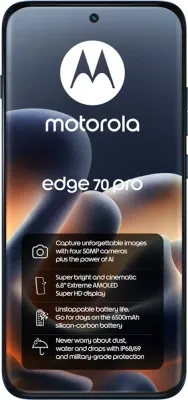
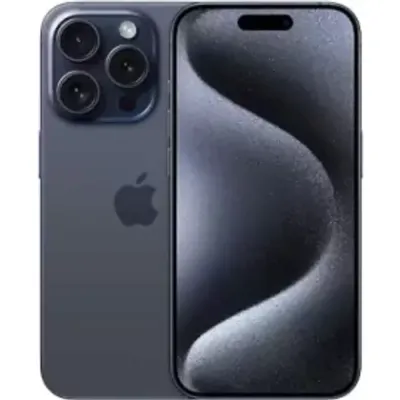
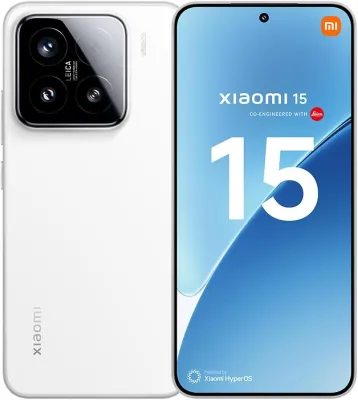
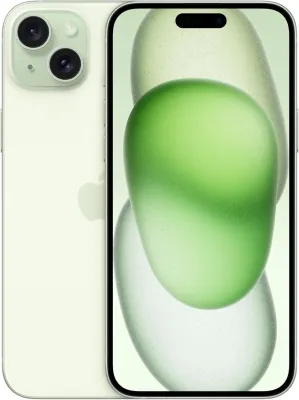
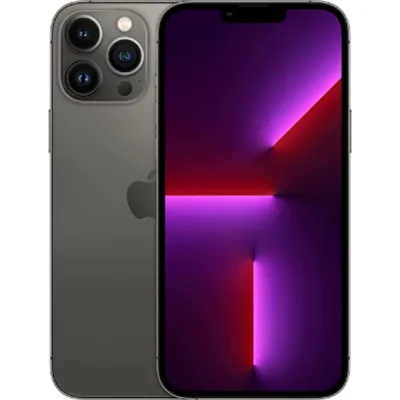
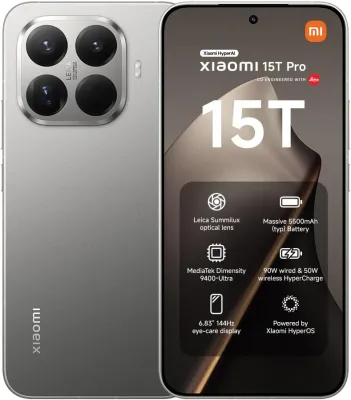
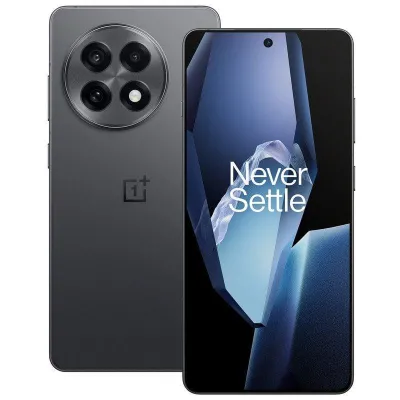
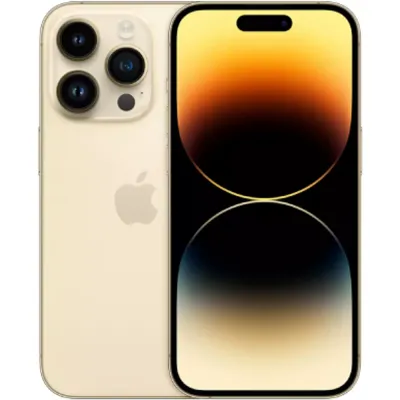
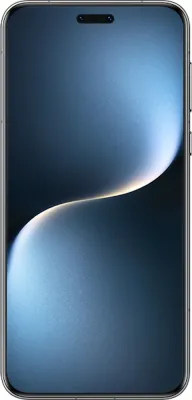
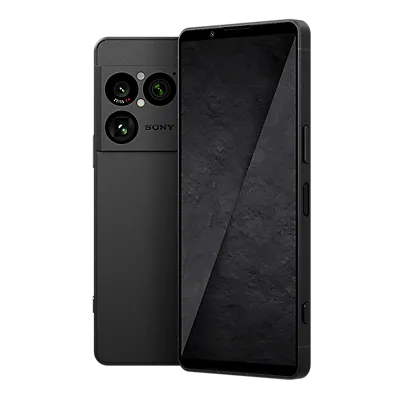
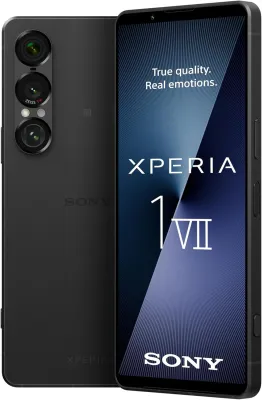
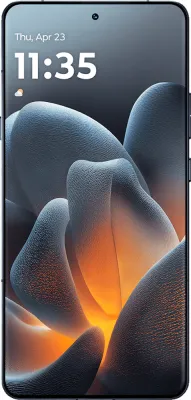
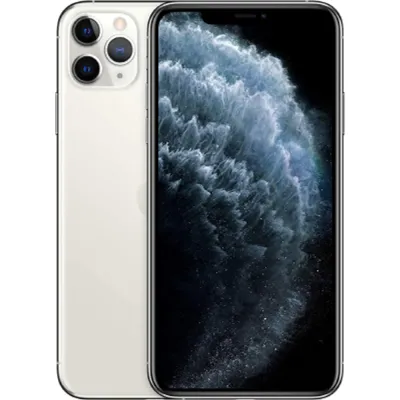
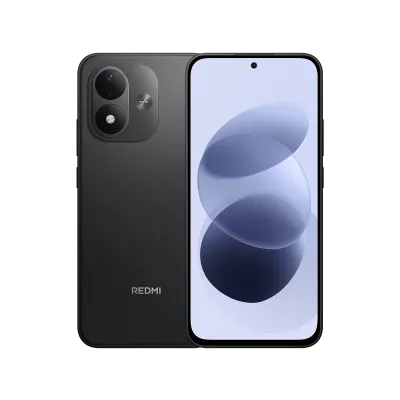
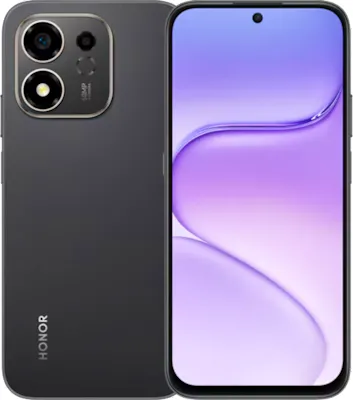
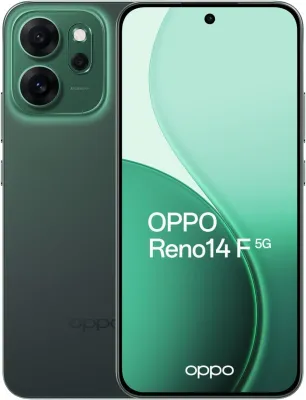
Looking for a phone that lasts all day, or two? This page ranks the top 50 longest-lasting smartphones on sale in the UK right now, scored by raw battery capacity (mAh) combined with a chipset efficiency multiplier so the leaderboard reflects real-world endurance, not just spec-sheet bragging rights.
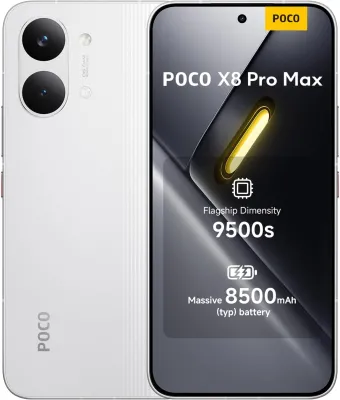
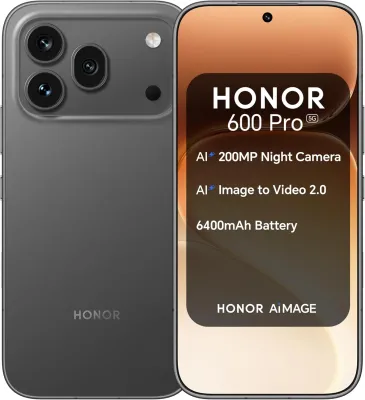
Raw capacity is only half the story, which is why this ranking is not simply a list of the biggest batteries. The largest cell in our catalogue is the Xiaomi Poco X8 Pro Max at 8,500mAh, ahead of the Honor 600 Smart at 8,100mAh, but a smaller battery paired with a more efficient chipset and display routinely lasts longer in real use. The phones at the top here tend to combine a large silicon-carbon cell with an efficient platform. One thing worth knowing before you buy: some manufacturers ship different capacities by region. The Honor Magic8 Pro is quoted at 7,100mAh globally but is 6,270mAh in Europe, and that smaller cell is what UK buyers actually get.
We compare deals daily across the major UK networks and retailers. Whether you want a flagship that still has 40% left at bedtime, an iPhone with the longest screen-on time, or a sub-£300 marathon phone, every model below opens its own deals page, where you can filter by network, colour and storage. The pills above the table jump you to the sibling rankings. Compare pay-monthly deals or grab them SIM-free.
What makes a phone last longer?
Battery life is the single biggest complaint in smartphone reviews, and the answer is never just 'bigger mAh number'. Four factors do the real work.
1. Battery capacity (necessary, not sufficient). A 6,000mAh cell holds more energy than a 4,000mAh one, obviously, but capacity alone is a weak predictor of endurance. Silicon-carbon batteries (now standard on Honor, Xiaomi, OnePlus and Realme) pack 15-20% more energy into the same physical volume than older lithium-ion, which is why 2026 Android flagships routinely ship with 6,000-7,500mAh.
2. Chipset efficiency (the hidden multiplier). This is where most buyers get it wrong. Apple's top-end A-series silicon is roughly 25-45% more power-efficient per workload than the equivalent flagship Android chip, thanks to a leading-edge TSMC process, tighter integration between CPU, GPU and Neural Engine, and aggressive idle-state gating. That is why an iPhone Pro Max holds its own in independent web-browsing endurance tests against Android phones carrying 6,000mAh+ cells, on a noticeably smaller battery. Among Android chips, the current top-tier Snapdragon and Dimensity flagships close much of the gap, while budget platforms give back a good part of the advantage a large cell buys them. That is why a 6,500mAh mid-ranger can finish well below a flagship with less capacity in the table above.
3. Display efficiency. A modern LTPO AMOLED panel can drop to 1Hz when static, slashing draw versus a fixed-refresh LCD. Always-on displays, peak brightness and HDR video are the big drains. Using dark mode on AMOLED, knocking brightness down 20%, and disabling 120Hz when you don't need it can add 1-3 hours of screen-on time.
4. OS power management. iOS aggressively freezes background processes; Android historically gives apps more freedom (great for notifications, bad for standby). Recent Android releases have closed the gap with stricter doze and adaptive battery, but iPhones still win standby-time tests by a wide margin.
Note that fast charging is a separate concern, a 100W phone refills quickly but doesn't necessarily last longer. See our best fast charging phones page for that. And if you game heavily, check the best gaming phones ranking, since high-refresh GPU loads burn through any battery in 4-5 hours flat.