
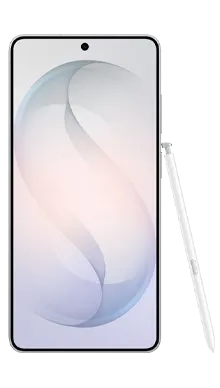
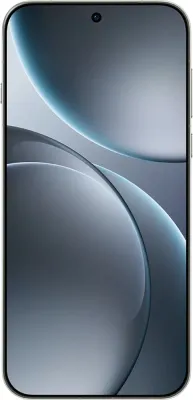

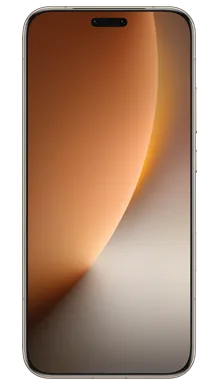
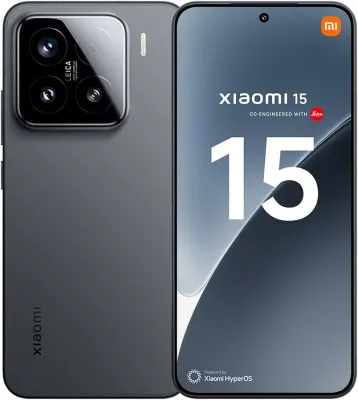
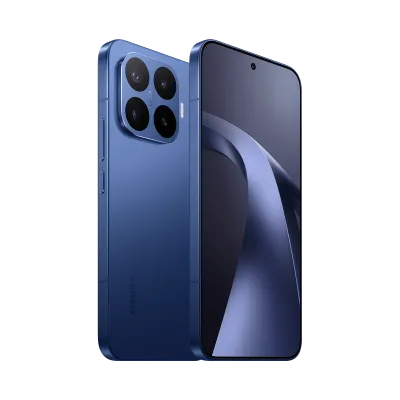
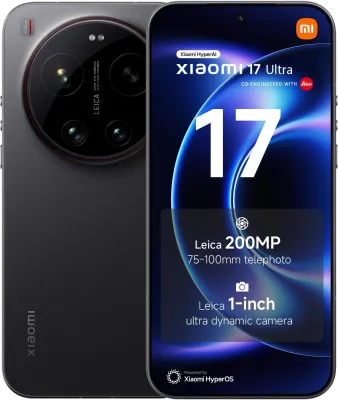
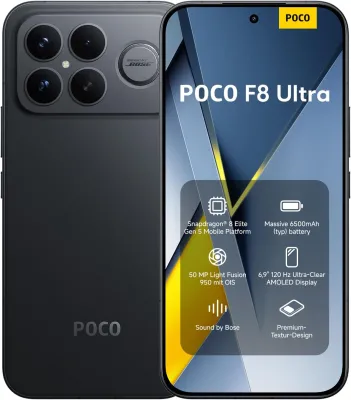
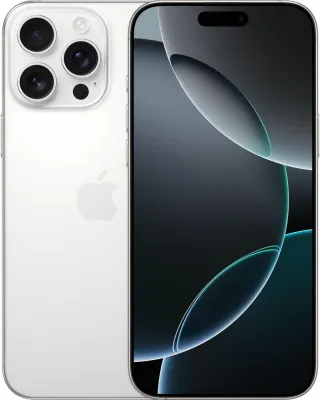

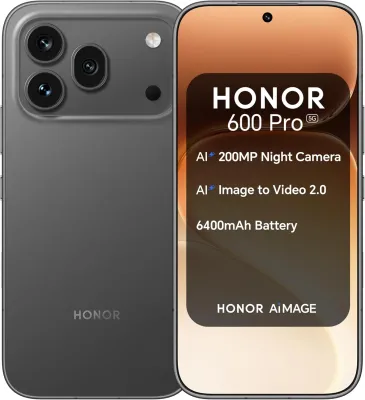
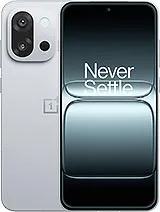
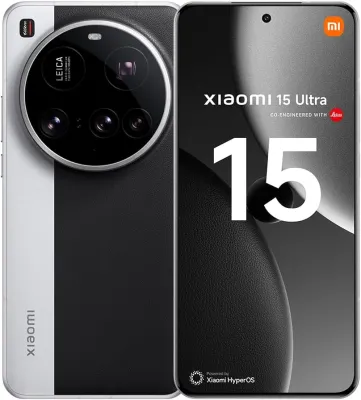
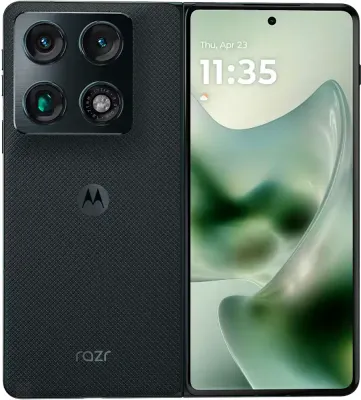
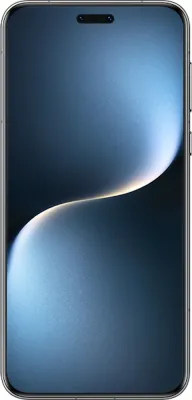
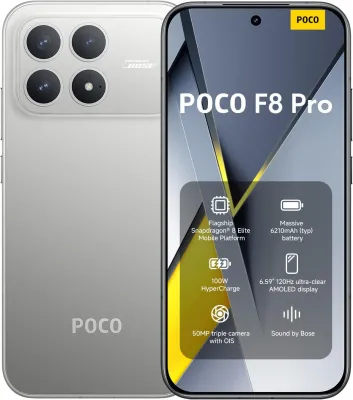
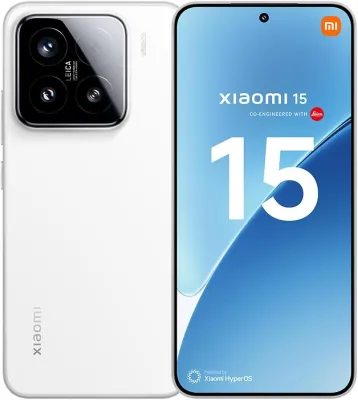
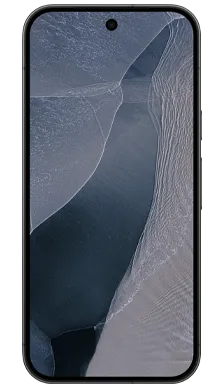
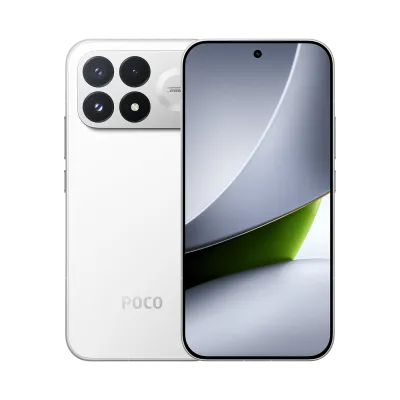


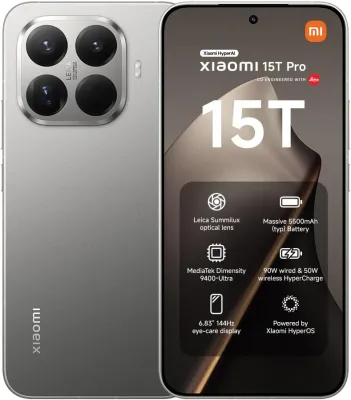
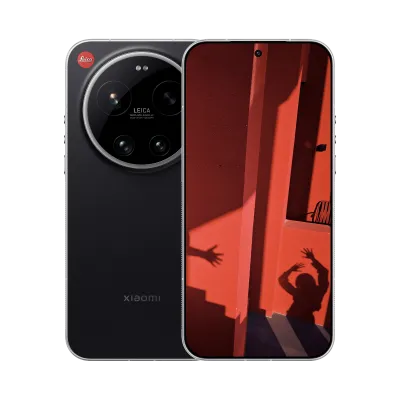
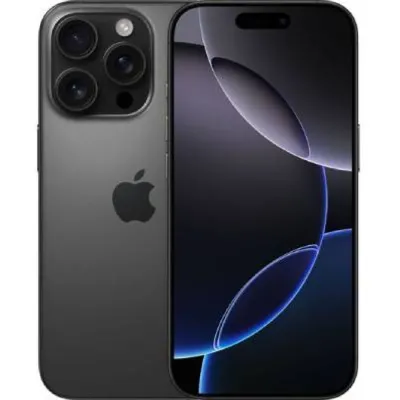
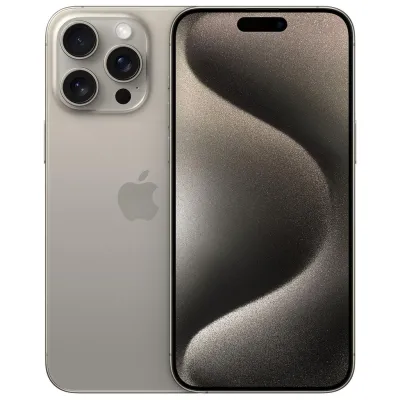
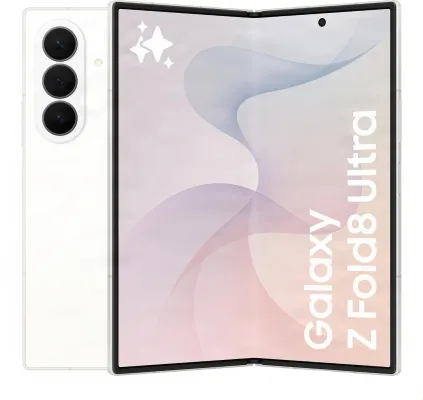
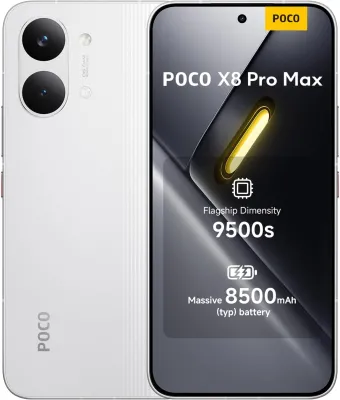
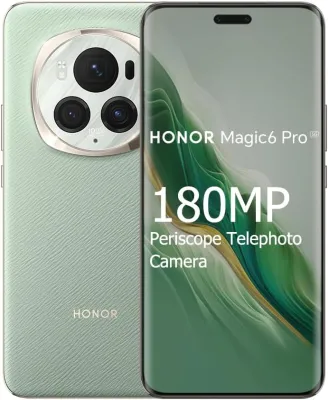
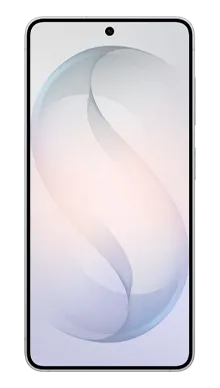
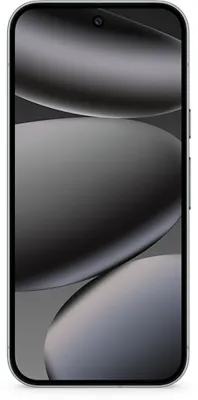
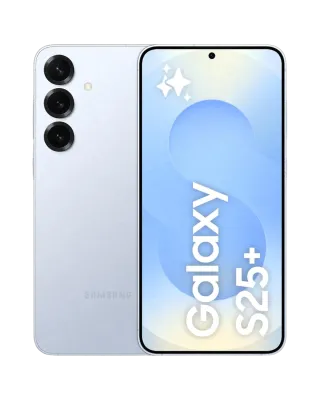
Our complete UK ranking of phones with AMOLED displays in 2026, updated daily with the latest contract deals, SIM-free prices and pay-monthly offers from across the market. Every handset on this page uses an Active Matrix Organic LED panel, the screen technology that lets each pixel emit its own light for true blacks, infinite contrast and the punchy HDR that defines a modern flagship.
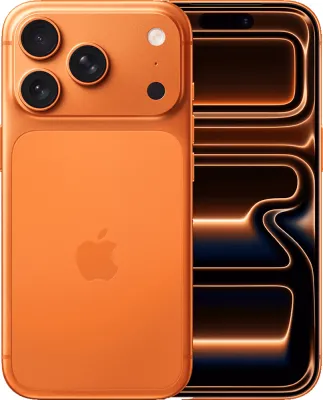
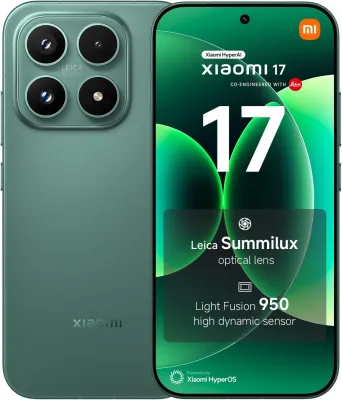
Leading the way for outright display quality are the Apple iPhone 17 Pro Max with its LTPO Super Retina XDR panel peaking at 3,000 nits, the Samsung Galaxy S26 Ultra with a Dynamic AMOLED 2X panel and Gorilla Armor 2 anti-reflective coating, and the Honor Magic 8 Pro and Xiaomi 17 Ultra, both pushing past 3,000 nits of peak HDR brightness on their LTPO panels.
Compare deals from leading UK retailers, buy outright or on contract from £29/month, and find a phone with a screen that genuinely earns the marketing spend.
What makes a great AMOLED display in 2026?
AMOLED stands for Active Matrix Organic Light Emitting Diode. Unlike LCD panels, which sit in front of a permanently lit backlight, every pixel on an AMOLED screen produces its own light and can be switched off entirely. That single difference is the reason AMOLED phones deliver the deep, true blacks, infinite contrast and saturated colours that look so striking next to a cheaper LCD device.
Variants matter. Samsung markets its panels as Super AMOLED (touch layer fused into the display stack) and Dynamic AMOLED 2X (HDR10+ certified, 120Hz adaptive). Apple calls its OLED panels Super Retina XDR, with LTPO backplanes on the Pro models that drop refresh rate as low as 1Hz. Xiaomi, Honor and Oppo all use LTPO Super AMOLED panels from Samsung Display, BOE or Visionox.
Peak brightness has become the headline spec. Where 2022 flagships topped out around 1,000 nits, the class of 2026 routinely hits 2,000 nits in everyday outdoor use and 3,000 nits or more for short HDR highlights. The iPhone 17 Pro and Galaxy S26 Ultra both cite 3,000-nit peaks, while the Honor Magic 8 Pro claims 5,000 nits in its marketing - all three are comfortably readable in direct UK summer sun.
HDR support is now standard. HDR10 is the baseline, HDR10+ adds dynamic metadata per scene and Dolby Vision (iPhone exclusive among mainstream flagships) extends that to per-frame tone mapping. LTPO (Low-Temperature Polycrystalline Oxide) is the backplane technology that lets a display vary refresh rate from 1Hz to 120Hz on the fly - every flagship in our top 10 uses an LTPO panel.
Power efficiency is a quiet AMOLED win. Because black pixels draw zero current, dark mode and OLED wallpapers extend battery life by 10 to 20% over a comparable LCD. Pure white content can draw more power than LCD.
Drawbacks to know about. AMOLED panels can develop burn-in (permanent ghosting of static UI elements) after years of heavy use, though 2026 flagships mitigate this with pixel shifting and luminance balancing. PWM (pulse-width modulation) dimming causes flicker that a small minority find uncomfortable; Honor, Motorola and OnePlus now ship 2,160Hz or 3,840Hz PWM modes to address this.
Ready to find a phone with a flagship-grade AMOLED screen? Compare today's deals from Vodafone, EE, O2 and Three using the filters above.