
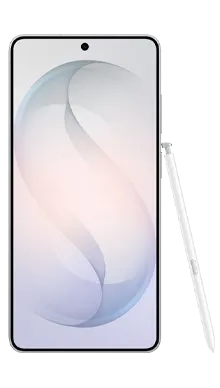

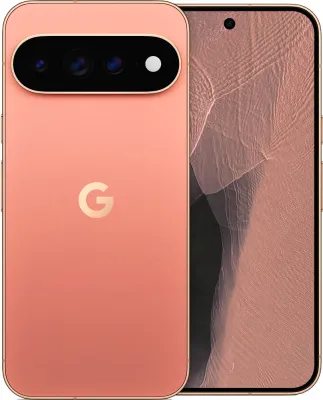
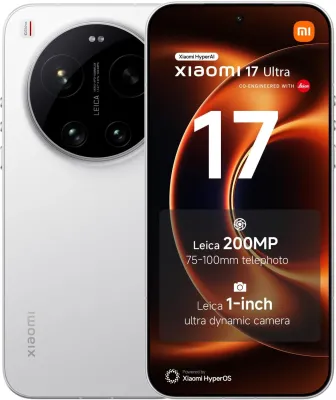
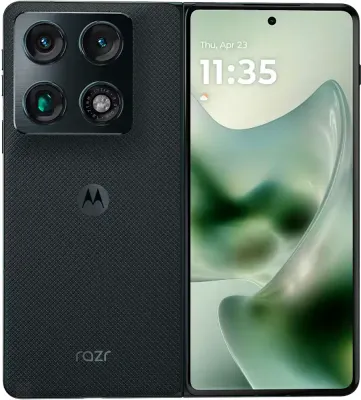
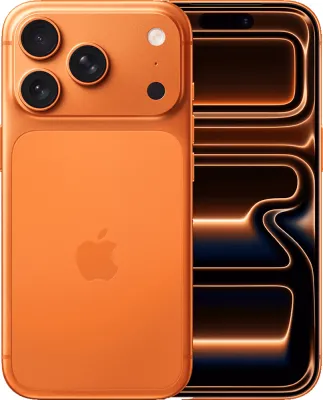
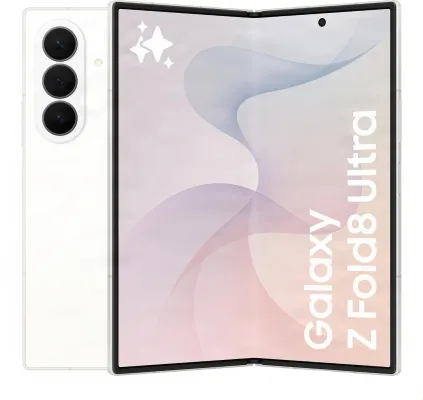
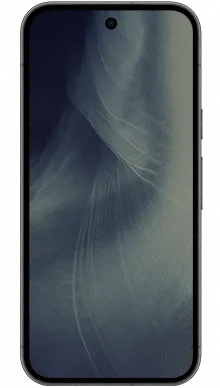
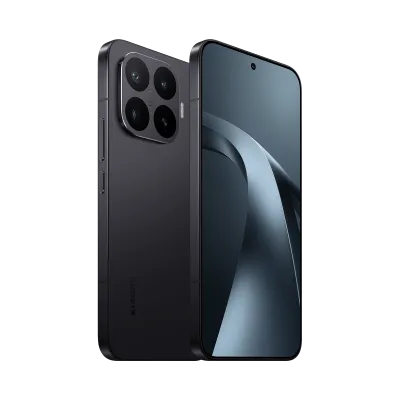
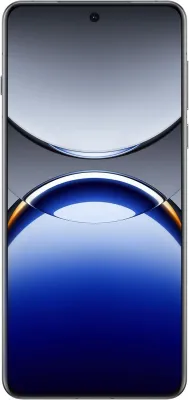
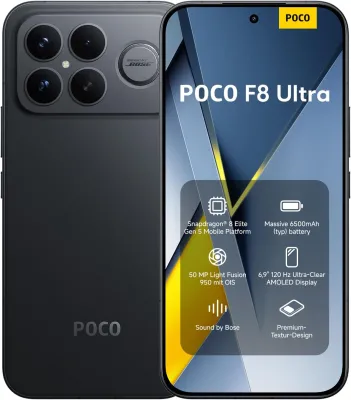

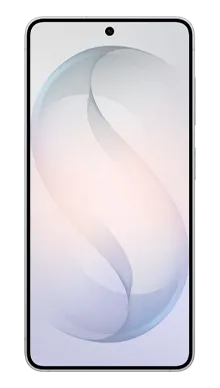
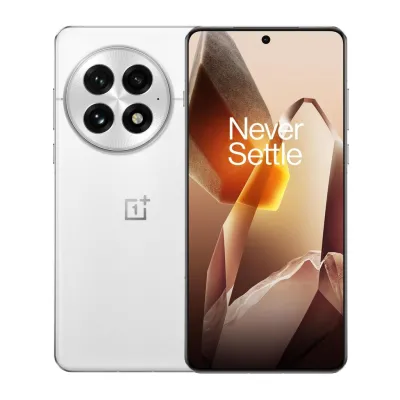
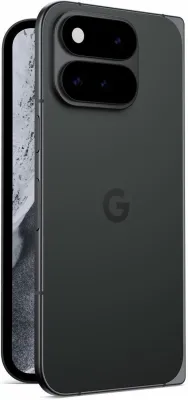
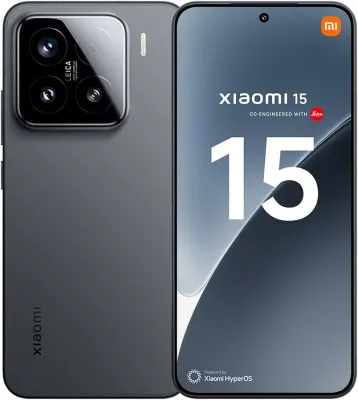


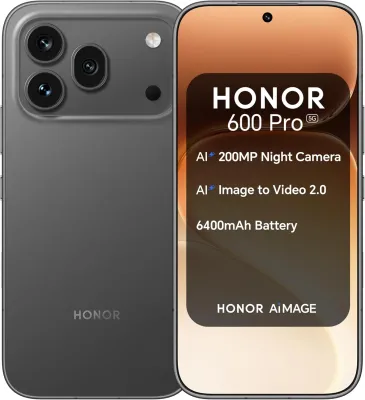
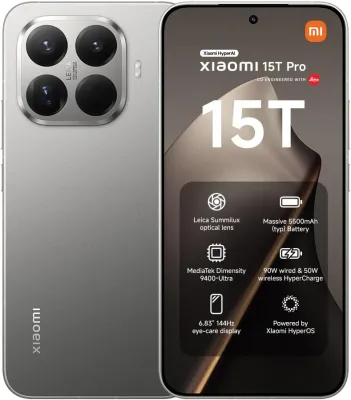
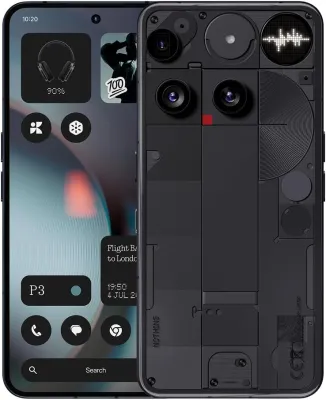
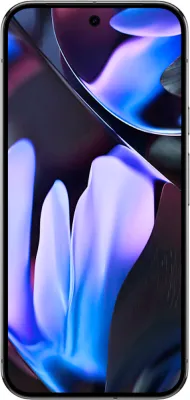
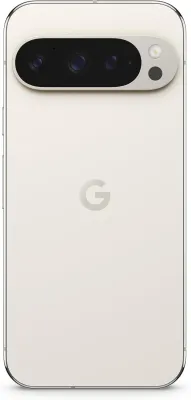
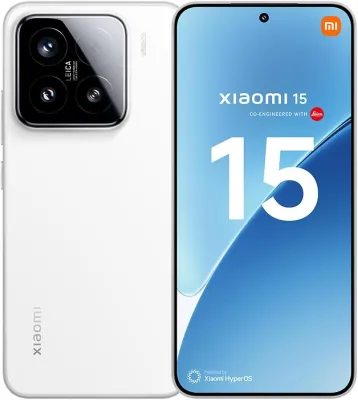
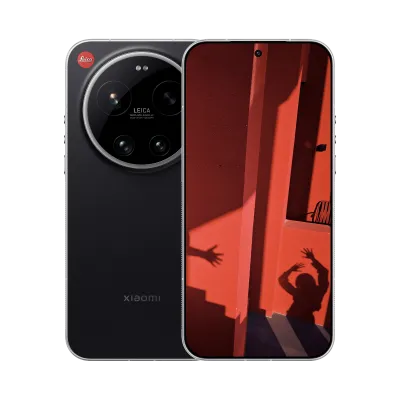
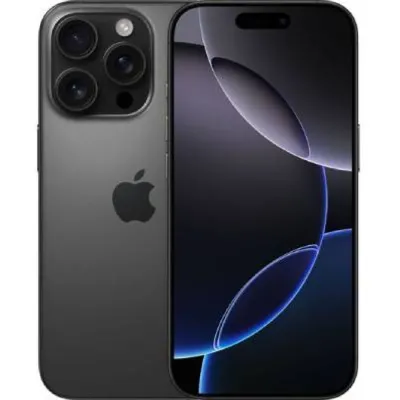
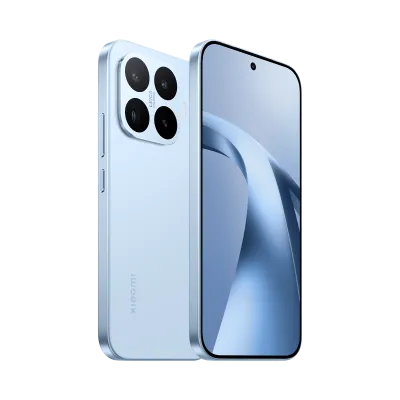
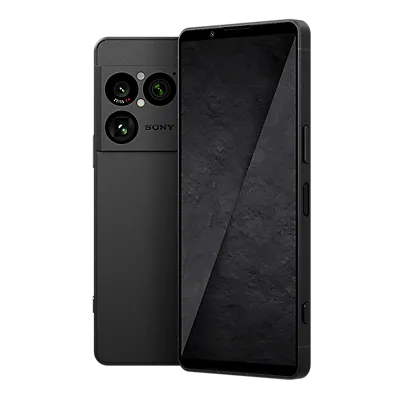
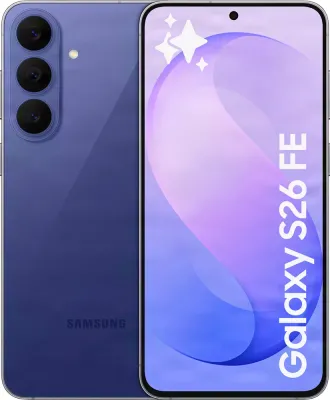
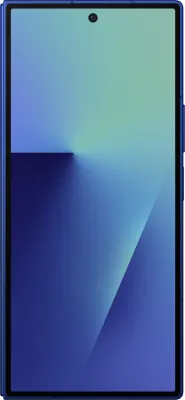

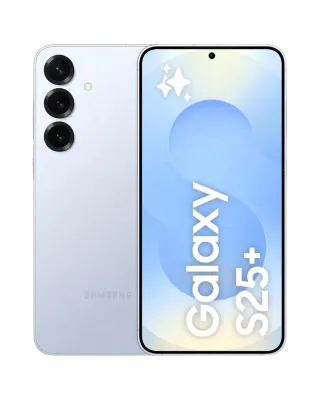
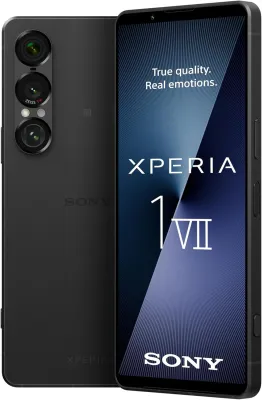
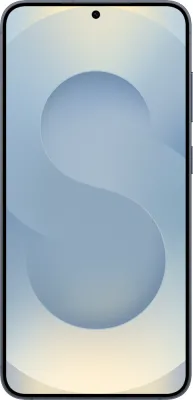
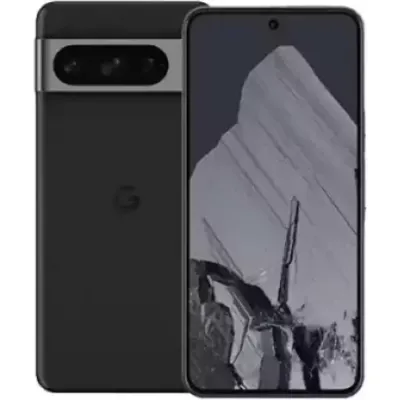
Our definitive ranking of the best camera phones in the UK for 2026, updated daily with the latest contract deals, SIM-free prices and pay-monthly offers from across the market. Whether you're a hobbyist photographer, a content creator or simply someone who wants every holiday snap to look its best, this page compares the top 50 handsets ranked on rear camera hardware, telephoto reach, sensor size and image processing.
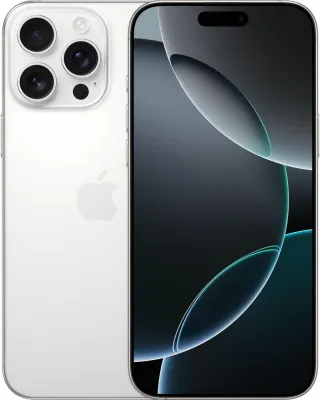
The top of this ranking is held by phones built around a physically large main sensor. That is the single biggest lever on image quality and it carries the heaviest weight in our score, which is why the Leica- and Hasselblad-tuned Ultra models from Xiaomi and Oppo tend to sit near the front, alongside Samsung's Ultra line on the strength of its zoom hardware. Apple's Pro iPhones and Google's Pixel Pro land in the same top processing tier and lead on pro video formats such as ProRes and Dolby Vision, but they give ground on headline video resolution, where the Ultras shoot 8K. The order shifts as new phones land, so treat the live table above as the answer.
Compare deals from leading UK retailers, buy outright or spread the cost on contract, and find the right camera phone for your budget and shooting style. Prices under each phone update daily.
What makes a great camera phone in 2026?
Choosing the best smartphone camera in the UK is no longer just a numbers game. Megapixels still get top billing in the marketing, but the phones at the top of our ranking earn their place through a combination of hardware, optics and software that work together to produce sharper, more natural and more flexible images.
Sensor size matters more than megapixels. A larger sensor captures more light per pixel, which means cleaner photos, better dynamic range and stronger low-light performance. The Samsung Galaxy S26 Ultra uses a 1/1.3-inch 200MP main sensor and the iPhone 17 Pro Max a 1/1.28-inch stacked sensor, effectively the same sensor class and both well ahead of what you'll find on mid-range phones. A small group of Ultra-class Androids go further again with a full 1-inch-type main sensor, which is as large as phone cameras currently get.
Telephoto vs digital zoom. Optical zoom uses a dedicated lens, so the image stays sharp at the advertised range. Digital zoom is essentially cropping, which loses detail. The current top performers cluster around 3x to 5x optical, often with two telephoto lenses covering different ranges: the Galaxy S26 Ultra pairs a 3x telephoto with a 5x periscope, and the Oppo Find X9 Ultra's second periscope reaches a true 10x. Past that point it is AI-assisted upscaling doing the work, not glass.
Optical image stabilisation (OIS) physically counteracts hand shake using floating lens elements, producing sharper handheld photos and smoother video. Every phone in our top 10 includes OIS on the main camera, and the best now include sensor-shift stabilisation borrowed from professional mirrorless cameras.
Computational photography is where the real magic happens. Apple's Photonic Engine, Google's Tensor G5 ISP and Samsung's Galaxy AI suite handle multi-frame HDR, noise reduction, skin-tone correction and scene recognition in milliseconds. This is what separates a flagship camera phone from a great sensor with a poor processor.
Low-light performance depends on sensor size, aperture, OIS and night mode software working together. A few phones add a variable aperture, such as Honor's Magic7 Pro, which stops its main lens between f/1.4 and f/2.0, but the bigger lever is main-sensor area: a 1-inch-type sensor simply gathers more light than a 1/1.3-inch one. Google's Night Sight and Apple's Photonic Engine close much of that gap through multi-frame processing on smaller sensors.
Video capabilities matter if you film as well as shoot. Look for 4K at 60fps as a minimum, with the iPhone 17 Pro adding ProRes Log recording and Dolby Vision HDR for cinema-grade output, and the Galaxy S26 Ultra offering 8K at 30fps for future-proofing.
Ready to find your next camera phone? Live prices sit under every handset in the table above, updated daily. Open a phone to compare contract and SIM-free offers from the major UK networks and retailers, or use the ranking pills at the top of this page to switch to another shortlist.