
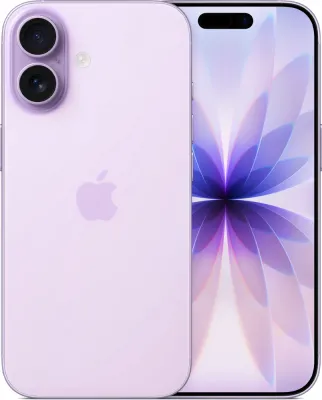
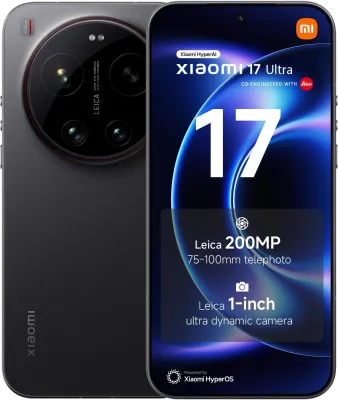
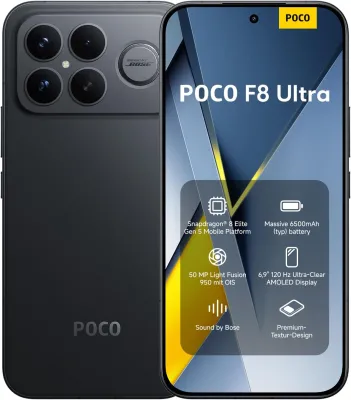

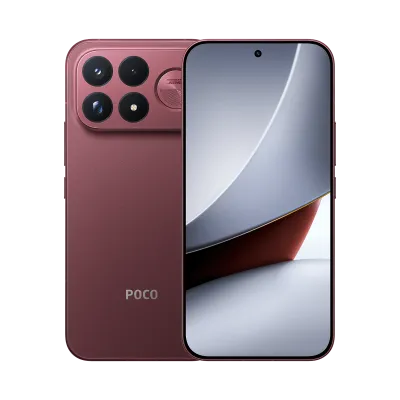
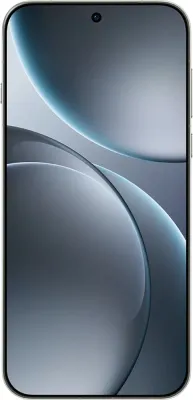
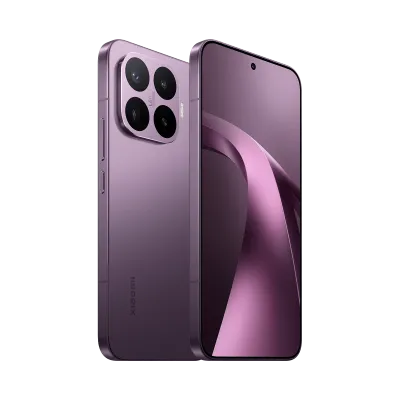
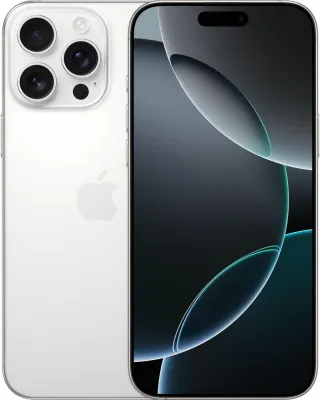
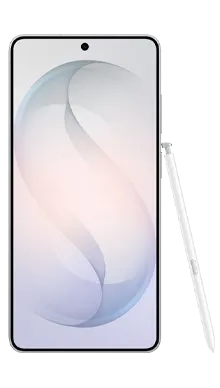
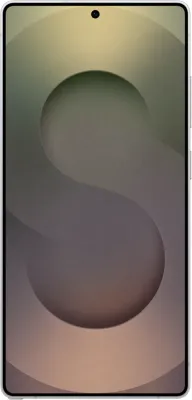
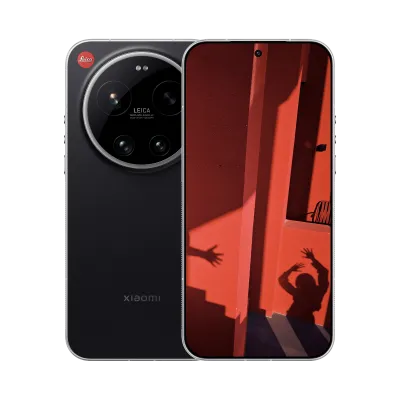
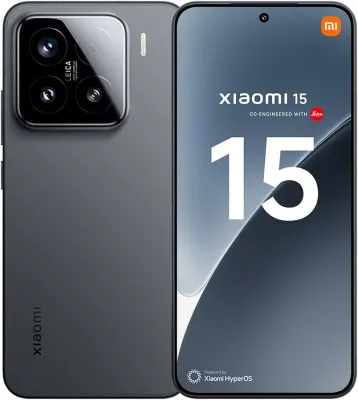
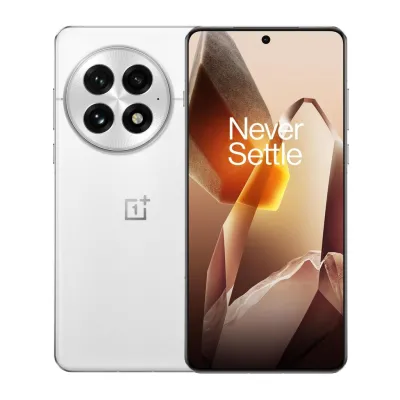
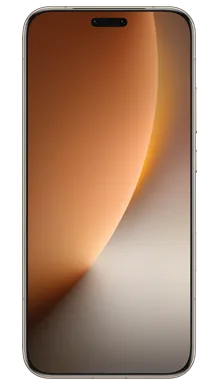
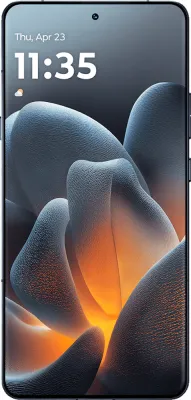
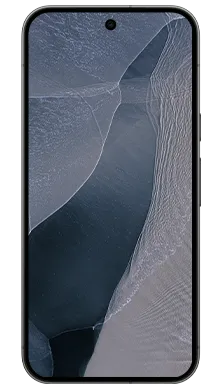
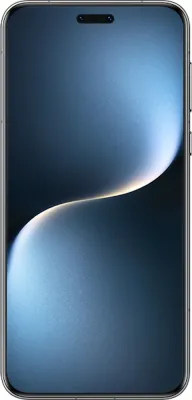
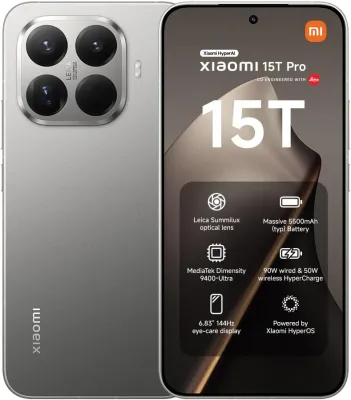
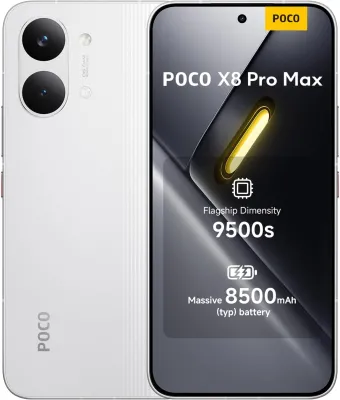
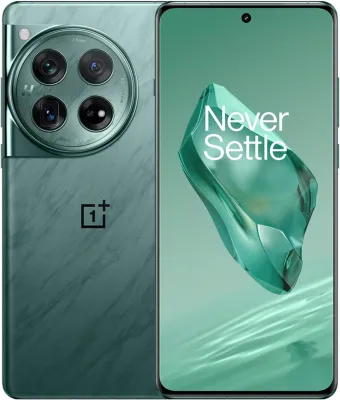
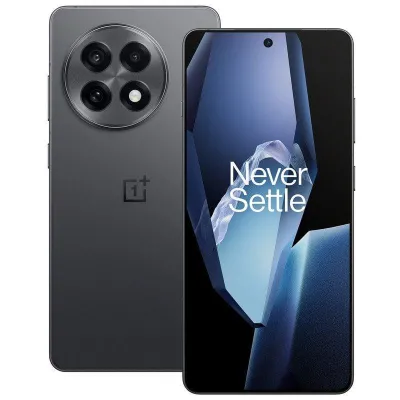
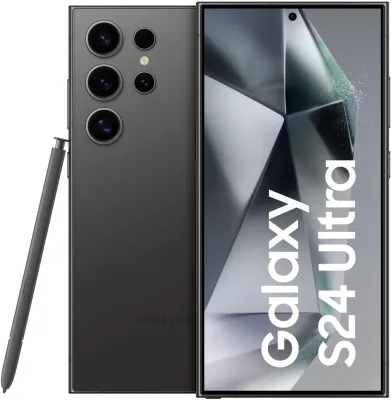
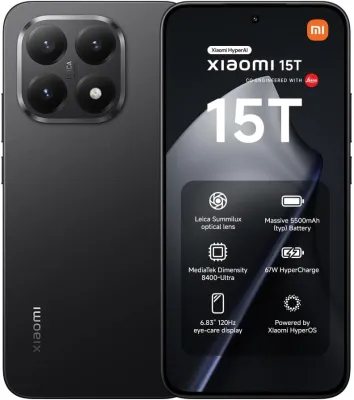
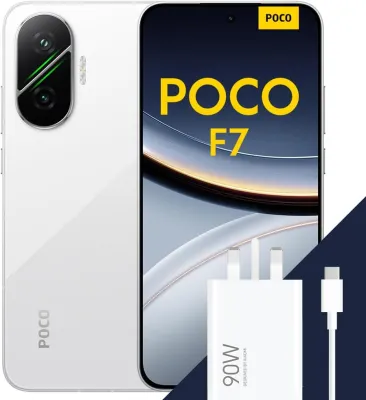

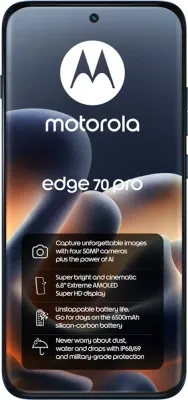
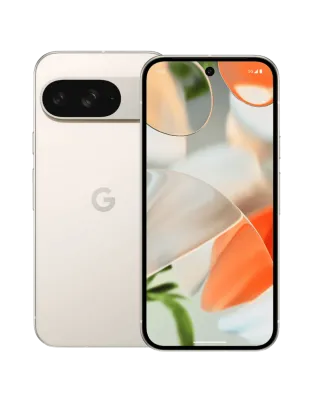
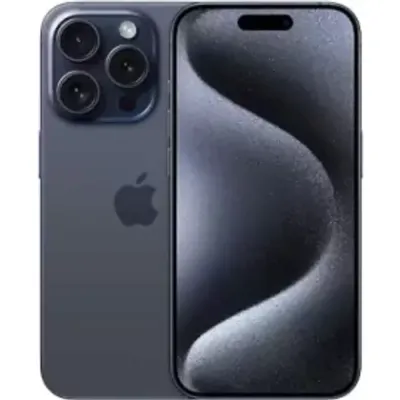
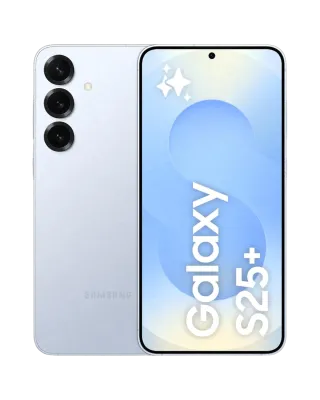
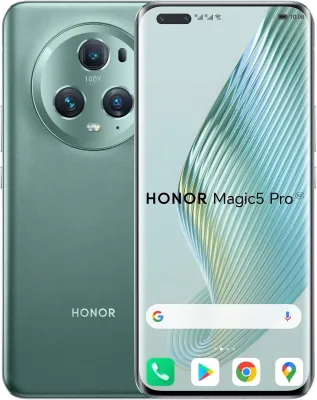
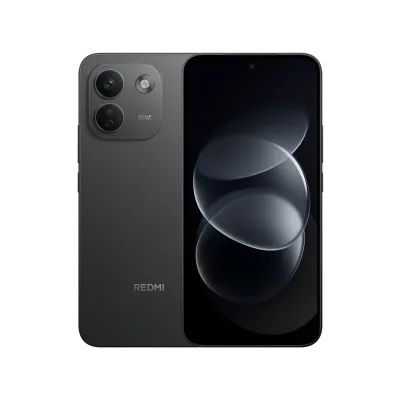
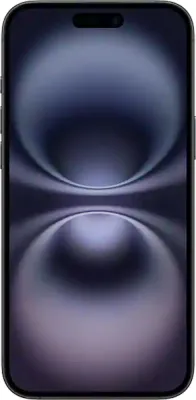
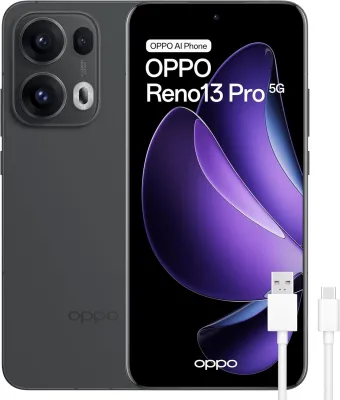
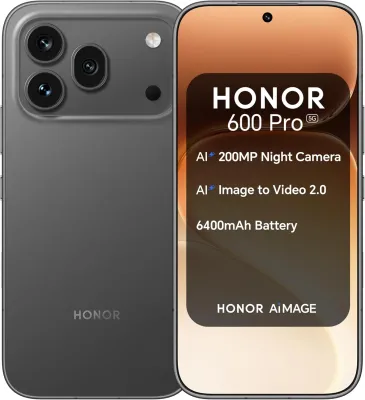
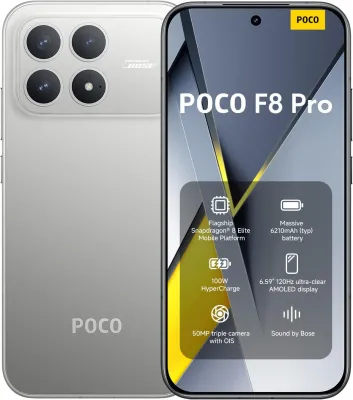
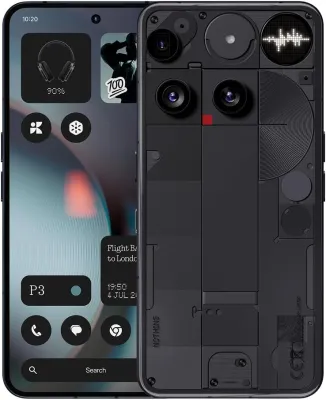
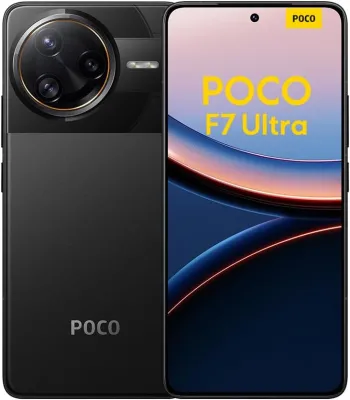
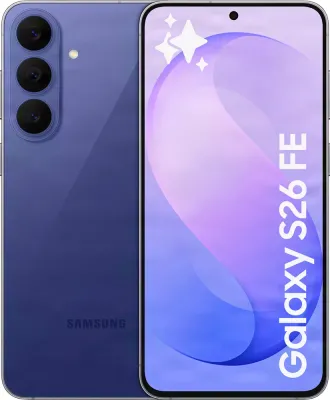
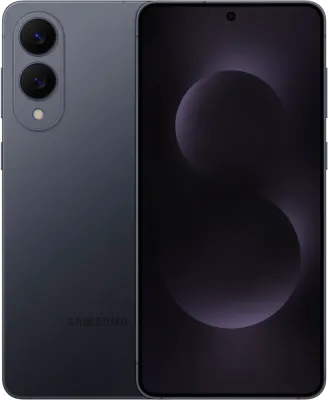
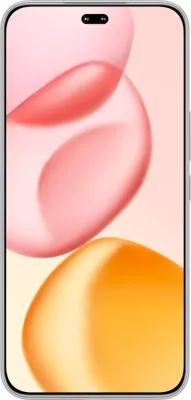
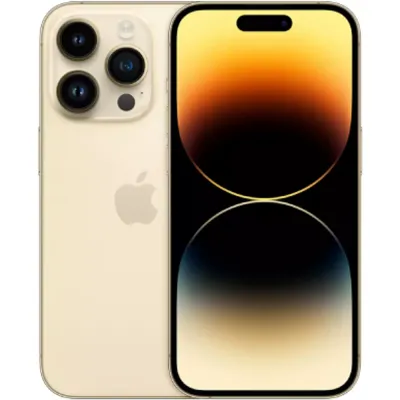
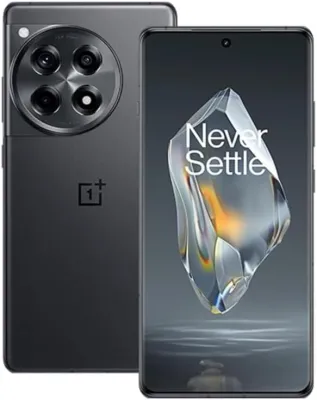
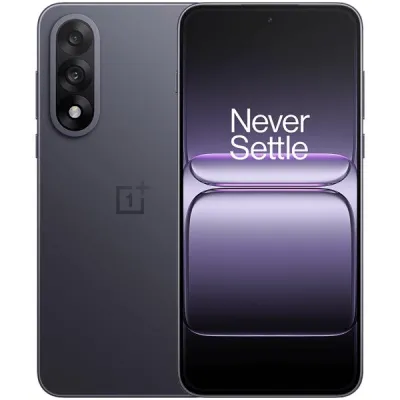
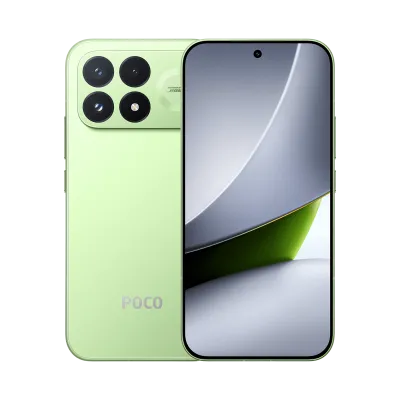
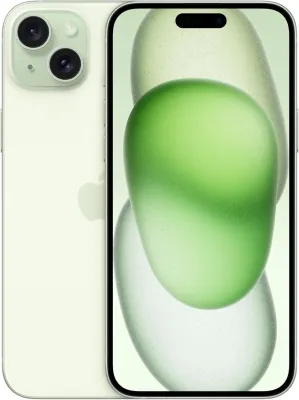
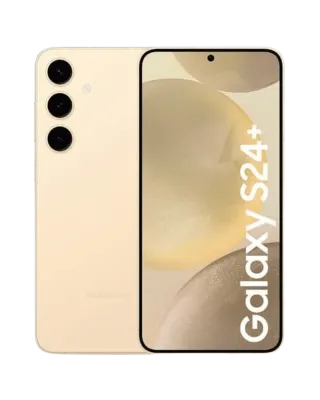
Our ranking of the 50 best large screen phones you can buy in the UK, updated daily with contract, upgrade and SIM-free prices from the retailers we track. Anything with a display of 6.5in or larger is eligible, which covers 344 phones with live deals on this site - a useful reminder that what counted as an oversized handset five years ago is now roughly the average. Rather than sort by raw diagonal, we score each phone on a blend of screen size and overall specification, so the ones at the top are both big and genuinely good.
The top of the list clusters tightly around 6.8in to 6.9in, which is as large as the conventional phones we carry deals for get, so specification does most of the separating from there. Expect to see the Ultra and Pro Max tier of each range near the top, alongside a few large mid-rangers that clear the size bar without matching the hardware. Apple, Samsung and Xiaomi all field 6.9in models: the iPhone 17 Pro Max and iPhone 16 Pro Max, the Galaxy S26 Ultra and Galaxy S25 Ultra, the Xiaomi 17 Ultra and the Poco F8 Ultra. The live table above is rebuilt daily, so use it rather than a fixed list.
Foldables are deliberately left out. Book-style models unfold to 7.6in to 8.1in and flip-style ones to 6.7in to 7.0in, so on any size-led ranking they take the list over completely: included, they swept the top of the list before a single conventional phone appeared. If a book-style folding phone is what you want, they have their own ranking on our foldable phones page, linked at the bottom of this one. Everything below is a conventional slab phone.
What makes a large screen phone worth buying?
The cut-off for this page is a 6.5in display, and 344 phones with live deals clear it. Each qualifying phone then gets two scores. The first is size, normalised across the range so that 6.5in scores 0 and 8.1in, the top of our size scale, scores 100. The second is our overall spec score, an equal-weighted average of our processor, display, rear camera and battery scores. The ranking is 55% size and 45% specification. In practice a 6.9in phone earns 25 points on the size axis, so once you are near the top of the size range it is the specification that does most of the separating.
Ordering purely by screen size was the obvious approach, and we rejected it. Roughly one in five of the qualifying phones share exactly 6.7in, so sorting on the diagonal alone produces a large tie that has to be broken arbitrarily, and the handsets that do break clear are not necessarily ones anybody would recommend. A cheap 6.9in phone would outrank a far better 6.8in one on a tenth of an inch. The question people are actually asking when they search for a big screen phone is which large phone is best, not which panel is physically largest, and the blend answers that question instead.
Foldables are excluded for the same reason, only more so. Unfolded, book-style models run from 7.6in to 8.1in and flip-style ones from 6.7in to 7.0in, and a size-weighted ranking simply hands them the page: with foldables in, the whole top of the list went to folding phones and they took a large share of the top 50. They are also a different sort of purchase, with a crease down the middle, a much higher price and an outer screen you spend most of your day using. Someone searching for a large screen phone almost always means a large ordinary phone, so foldables are ranked separately.
Screen size is measured corner to corner, which compresses the differences you actually notice. At a typical 20:9 aspect ratio, a 6.9in phone is only about 2mm wider than a 6.7in one, because the extra diagonal is split between width and height. Bezel thickness and how tall or square the panel is make more difference to how a phone feels in the hand than the headline figure does. Before you buy, look up the width, height and weight in millimetres and grams. Those numbers decide whether a phone fits your pocket and whether your thumb reaches the far corner.
Resolution deserves as much attention as size, because a bigger panel spreads the same pixels over more area. A 6.9in screen running at 1080p looks softer than a 6.9in screen at 1440p, and the difference shows up first on small text and fine detail. Panel cost scales with both size and resolution, so the cheaper phones that qualify for this page on size alone are the ones most likely to be 1080p. If you read a lot, work on documents or watch anything detailed, check the resolution as well as the diagonal.
Big screens draw more power, but that is only half of the equation. A larger chassis has room for a larger battery and manufacturers generally use it, so large phones frequently last longer between charges than small ones rather than shorter. The common assumption that a big screen means a phone that dies by teatime mostly does not hold up. Where size does cost you is weight, charging time on a bigger cell, and the sheer awkwardness of the thing in a jacket pocket.
Reach is the genuine trade-off. Operating a 6.9in handset with one hand is awkward for most people and harder still for anyone with smaller hands, and fitting a case makes it worse again. Both platforms have mitigations worth knowing about: iOS Reachability pulls the top of the screen down when you swipe the bottom edge, and Android's one-handed mode does much the same thing. Both also let you shrink the keyboard and shift it to one side. If you use your phone while holding a bag, a lead or a child, handle one in a shop before committing.
A large screen pays off for video, gaming, reading, maps and anything involving a spreadsheet or a long document, and it makes a real difference if you find small text difficult, since you can raise the system font size without every app turning into a scrolling exercise. Everything on this page is ranked from specification data rather than hands-on lab testing, so treat the order as a well-informed shortlist rather than a verdict. Use the ranking pills above to switch to a related list, then open any phone's page to compare its live contract and SIM-free deals.