



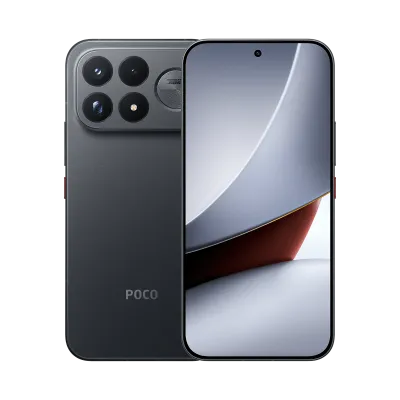
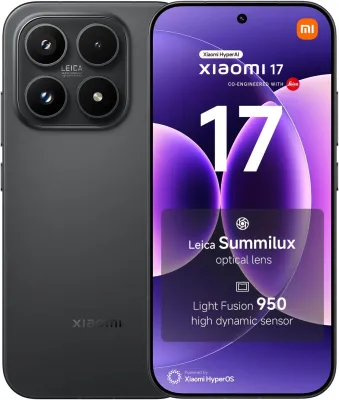

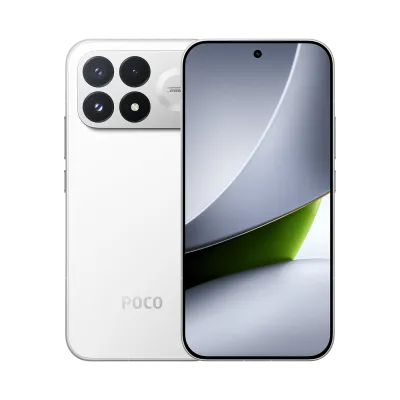
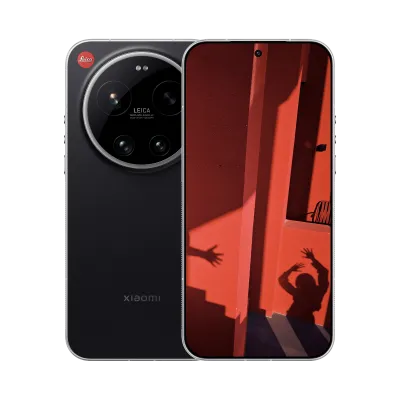
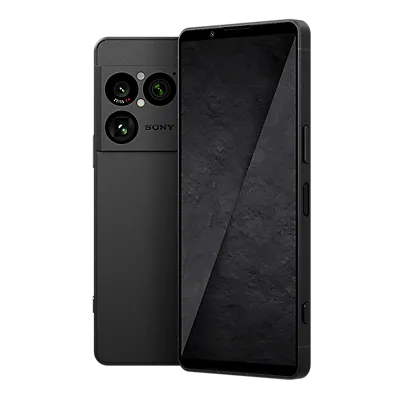

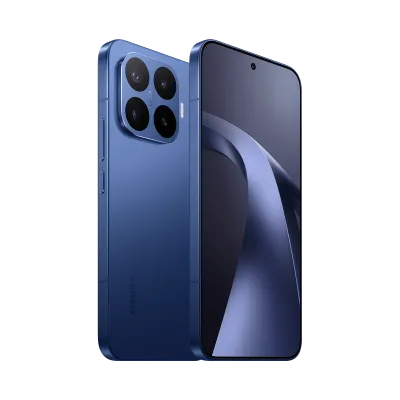

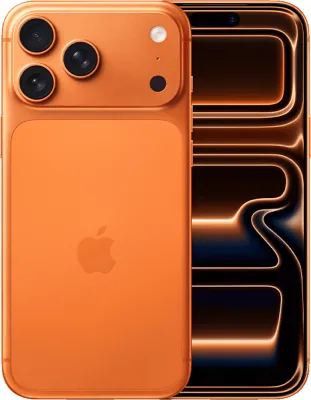
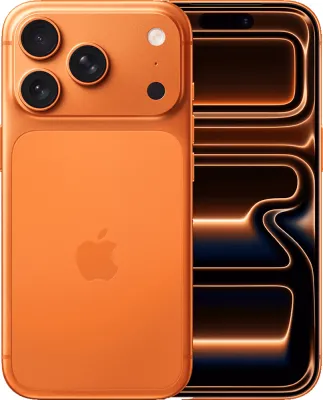
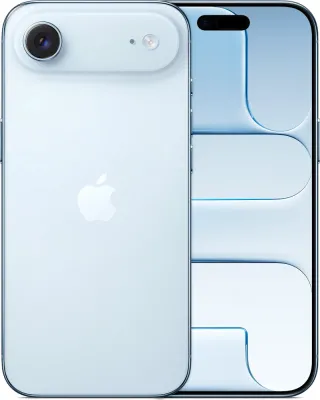

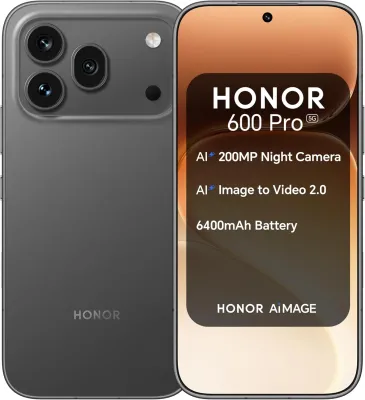
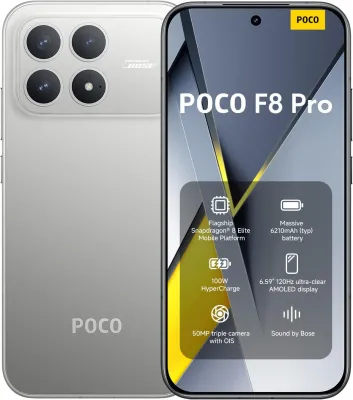
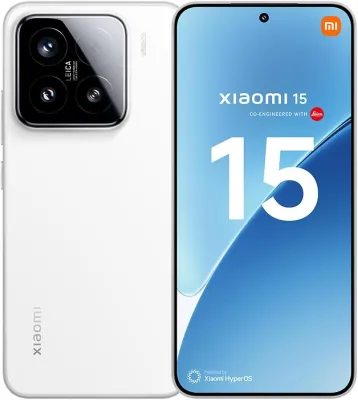

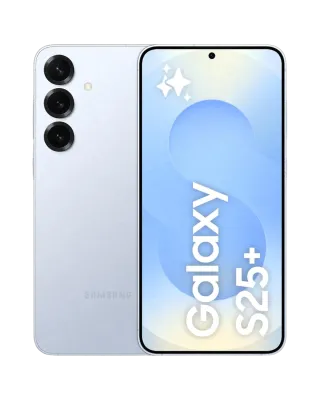
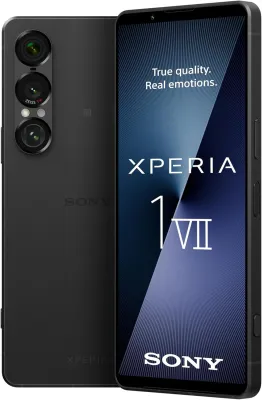

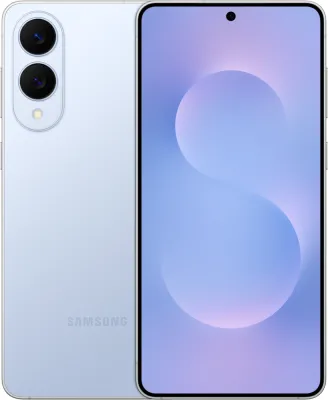
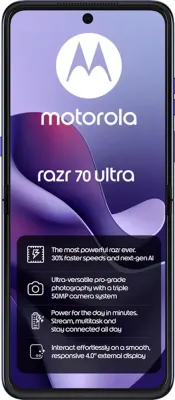

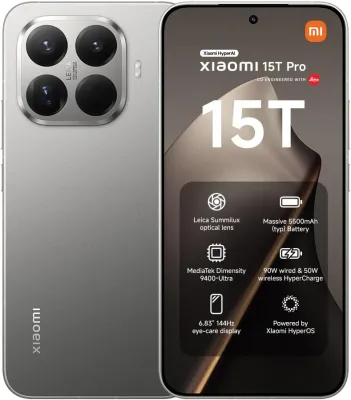



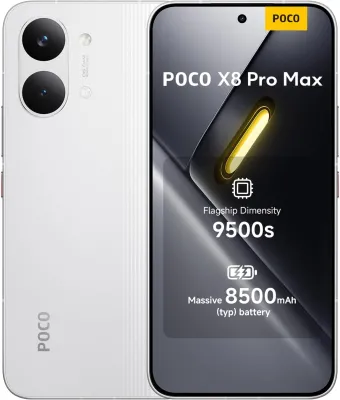
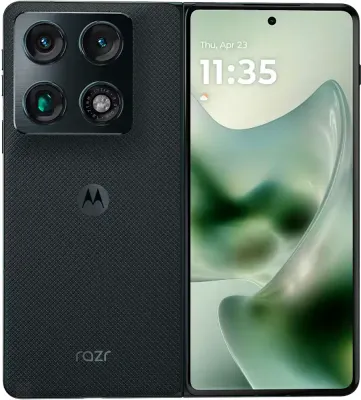
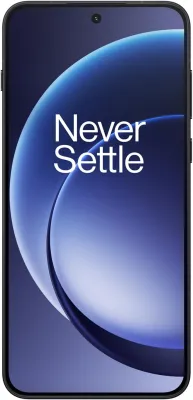

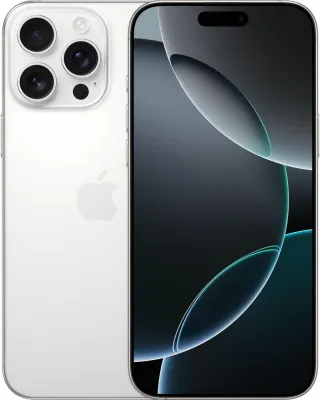
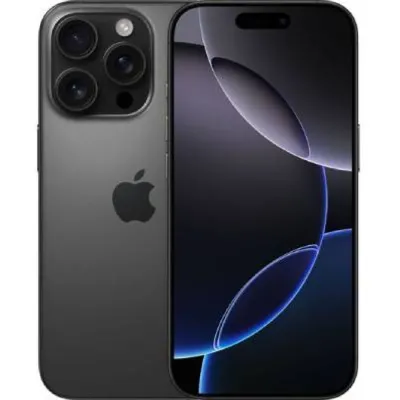
Our ranking of the 50 fastest phones on sale in the UK, ordered by the benchmark score of the chipset inside them. 438 phones in our catalogue carry a performance rank and the top 50 appear here, from 100 at the head of the table down to a cut-off of 93. The scale runs 0 to 100 and is calibrated across architectures, so Apple, Qualcomm, MediaTek and Samsung silicon sit on one axis instead of being compared through a benchmark app that favours one of them. The order is rebuilt nightly, and the contract, upgrade and SIM-free prices in the list above update daily.
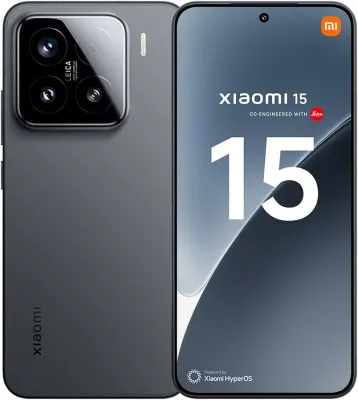
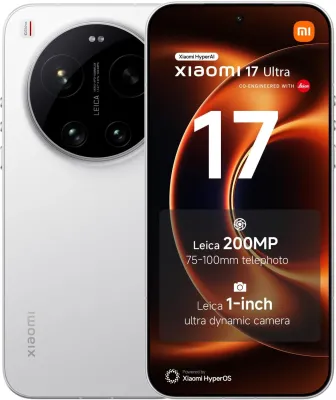
The top of the table is ten phones all scoring exactly 100, because every one of them runs the Snapdragon 8 Elite Gen 5 and a chipset-level score cannot separate identical silicon. In practice that block is the current Ultra and Pro-class flagships from Oppo, Xiaomi, Honor, Samsung and OnePlus, ordered between themselves by the tiebreak rather than by speed. Just behind sit the phones built on MediaTek's Dimensity 9500, and behind those the iPhones running Apple's A19 Pro. Positions inside each of those groups shift as the catalogue is recomputed, so read the table above for today's order rather than this paragraph.
We do not run benchmark apps on handsets in a lab. This order is computed from a chipset benchmark table held in our database and refreshed with the catalogue, which is what makes it consistent from phone to phone and free of favourites. It also means the number is chipset-led: it describes the silicon rather than the whole phone, so two handsets running the same chip get the same score even when one of them can shift far more heat. If sustained speed under load is what you are buying for, our gaming ranking weighs that differently.
How is a phone's performance score worked out?
The figure we rank on is the chipset's rank score, a 0 to 100 rating held in our benchmark table and calibrated so that parts built on different architectures line up on the same scale. The Snapdragon 8 Elite Gen 5 anchors the top of that table at 100. The Dimensity 9500 sits one point behind on 99, and three parts share 98: the Snapdragon 8 Elite, the Dimensity 9400 and the Apple A19 Pro. The Apple A19 takes 95, the Apple A18 Pro and the Dimensity 8400 Ultra sit on 94, and five parts share 93 - the Exynos 2500, Snapdragon 8 Gen 5, Dimensity 9300+, Snapdragon 8s Gen 4 and Snapdragon 8 Gen 3. That last cluster is where the page ends: rank 50 scores 93, so everything on this page sits between 93 and 100, which is how tightly the whole list is squeezed into the top of the scale. The benchmark table is refreshed alongside the catalogue, so the values themselves move as parts are added and recalibrated.
The obvious alternative would be to rank on raw AnTuTu figures, and we deliberately do not. AnTuTu's workload mix leans towards the way Snapdragon's ARM cores are built, which is why Apple silicon routinely tops Geekbench and then lands lower than you would expect on AnTuTu. Rank iPhones on raw AnTuTu and they are permanently undersold - not because they are slow, but because the test weighs things in an order that suits someone else's design.
There is a second problem with raw scores, and it is the worse of the two. Every major AnTuTu release has inflated the numbers, so a v9 result, a v10 result and a v11 result for the same phone can be two to three times apart, and the version is not always quoted alongside the figure. A catalogue like ours holds phones released over several years. Mixing versions would produce a ranking where launch date mattered more than speed. A calibrated cross-architecture rank fixes the bias and the inflation together, which is why it is what we use.
Two mechanical details are worth knowing. Our benchmark source covers Android silicon only, so Apple A-series values are entered by hand against the same scale rather than pulled in automatically. And where a chipset is missing from the table entirely, the phone falls back to its own measured AnTuTu figure expressed as a fraction of the highest AnTuTu figure in our chipset benchmark table, which is a rougher method used only when there is nothing better available. A phone with neither a listed chipset nor a measured figure gets no score and does not appear here at all. We would rather leave a phone out than guess a number for it.
That brings us to the tie at the top. All ten phones on 100 run the Snapdragon 8 Elite Gen 5, and a chipset-level score gives identical silicon an identical number. It follows from the method rather than being a flaw in it. The tiebreak is overall spec score, and where that ties too, how many deals we list for the phone. That is why a camera-led Ultra can sit above a standard flagship built on exactly the same chip. What separates them is the rear camera, screen and battery, the other three things our overall spec score measures. On processing hardware they are the same phone.
Apple's placing is the result most readers will want explaining, so here it is plainly. The A19 Pro scores 98 against the Snapdragon 8 Elite Gen 5 on 100, a two-point gap on a hundred-point scale, and benchmarks genuinely disagree about which of the two is quicker. Apple typically leads on single-core work and on efficiency once a workload runs long enough to matter. Qualcomm typically leads on multi-core and on peak graphics. Nothing on this page says the iPhone is slow in absolute terms. It says the top of the order is tight, and that at this level the difference will not show up in normal use.
The bigger limitation is thermal. A chipset benchmark is measured on a part that is not throttling, but what a phone delivers twenty minutes into a session depends on how much heat the chassis can move, and we hold no thermal measurements. A slim phone and a phone built with a vapour chamber will get the same score from us even though only one of them will still be at full clock at the end. That gap is real and we cannot see it. If sustained load is the point, use our gaming ranking instead, which weighs the chipset alongside battery and display.
Two other things the number leaves out. Memory and storage speed shape how a phone behaves with a lot of apps open and how quickly large files move, and neither is part of a chipset rating. Software counts for as much again, because a light, well-optimised build on mid-tier silicon can feel quicker day to day than a heavy one on the fastest chip made. With the whole page squeezed into the top few points of the scale, most of what actually separates the phones on this page is not the processor. It is price, and those are above.