







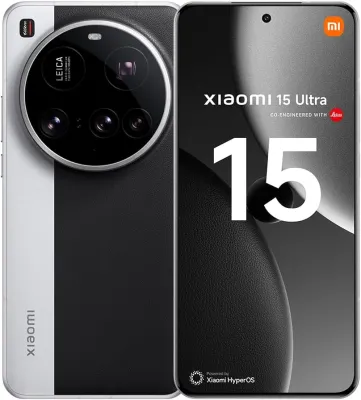
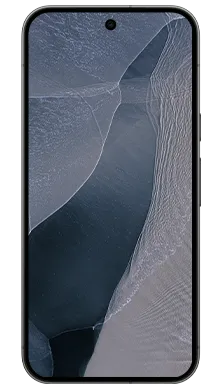
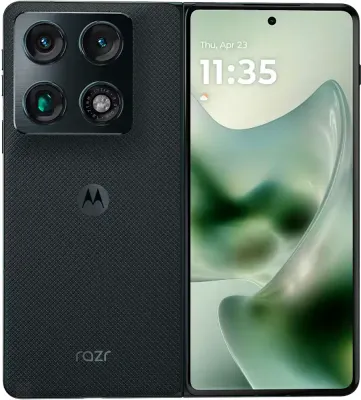
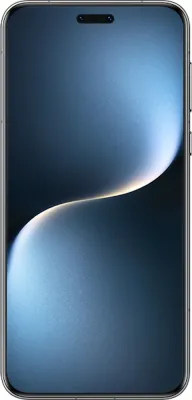


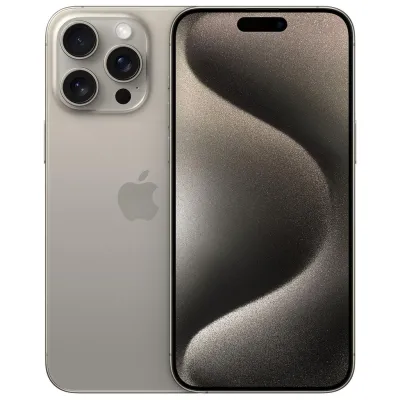
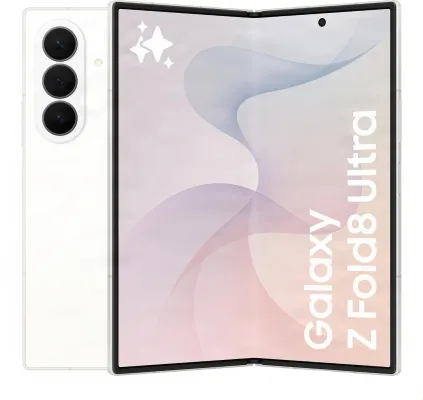
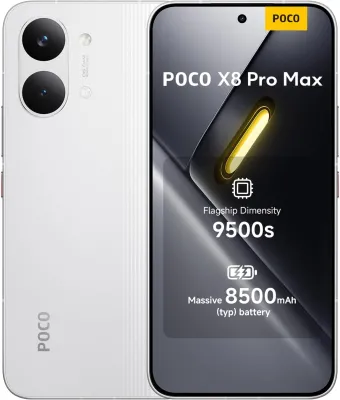


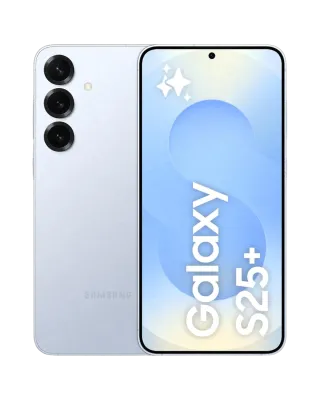

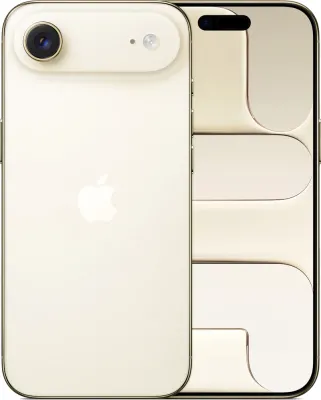
Our complete guide to 5G phones and 5G deals in the UK for 2026, updated daily with contract prices, SIM-free costs and pay-monthly offers from EE, Vodafone, O2, Three and the major MVNOs. Whether you're upgrading from a 4G handset, checking whether your current phone is 5G-ready, or trying to work out what 5G SA, 5G+ and 5G UC mean on your status bar, this page has the answers and the deals to match.
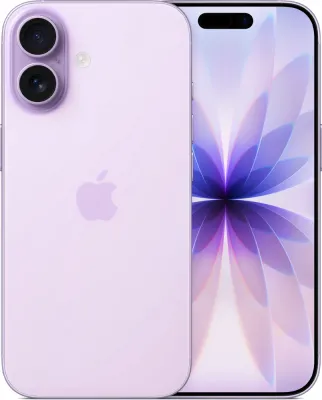
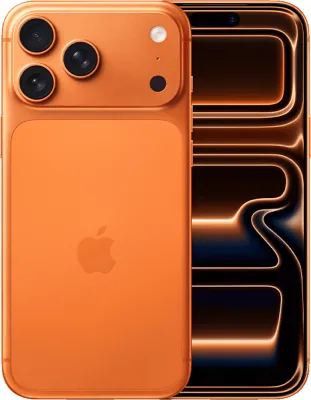
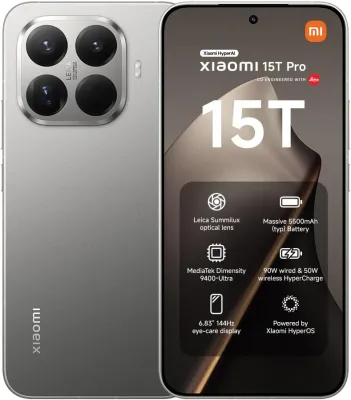
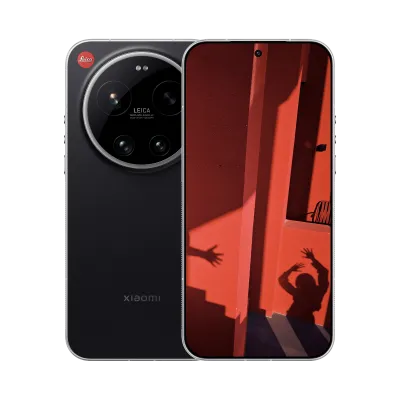
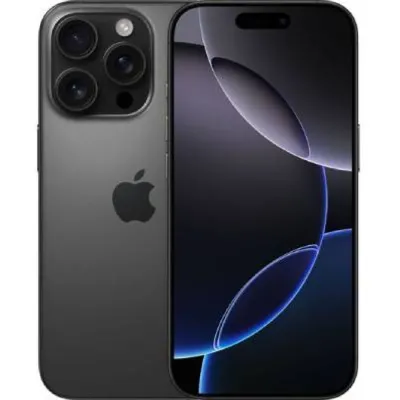
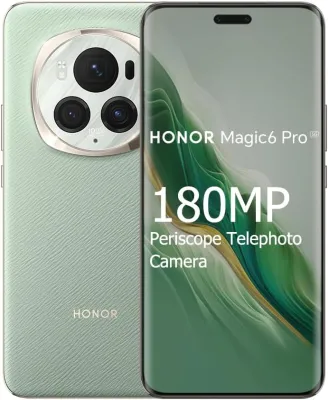
Every phone ranked here supports 5G on UK networks, including the Apple iPhone 17 series, Samsung Galaxy S26 family, Google Pixel 10, Honor Magic 8 Pro and mid-range and budget 5G handsets starting under £200 SIM-free.
Compare today's 5G contracts from £15/month, check coverage in your postcode, and pick the right phone for the kind of 5G your network actually offers.
What you need to know about 5G in the UK in 2026
5G is the fifth generation of mobile network technology, designed for faster downloads, lower latency and higher capacity than 4G LTE. In real-world UK use in 2026, that means typical download speeds of 150-400Mbps on mid-band 5G (well over 1Gbps in busy city centres), latency under 20ms on Standalone networks, and capacity to handle dense crowds at venues like Wembley or the O2 without collapsing.
5G Standalone (SA) vs Non-Standalone (NSA) is the most important distinction in 2026. NSA 5G piggybacks on the existing 4G core, so latency and capacity gains are limited. SA 5G runs on a brand-new 5G core, unlocking lower latency, network slicing, better battery efficiency and faster connection times. EE was first to switch on public 5G SA in September 2023. VodafoneThree (formed by the 2025 Vodafone-Three merger) and O2 have rolled out 5G SA across major UK cities since.
UK 5G coverage by network. Ofcom's latest Connected Nations report shows outdoor 5G availability above 85% of UK premises across the big four networks, with EE leading on geographic coverage and mid-band density, VodafoneThree close behind, and O2 catching up rapidly. MVNOs ride the same masts as their host network, so Sky Mobile, Tesco Mobile, iD Mobile, Lebara, Smarty and giffgaff all offer 5G at no extra cost. UK 5G runs primarily on n78 (3.4-3.8GHz mid-band) for city speed and n28 (700MHz low-band) for wide-area coverage. Almost every 5G phone sold in the UK since 2021 supports these bands.
Which phones support 5G? Every iPhone from the iPhone 12 (2020) onwards is 5G, including the iPhone SE 3rd gen and every iPhone 13, 14, 15, 16 and 17 model. On Android, every flagship from 2020 onwards is 5G, and most mid-range Samsung A-series, Pixel A-series, Xiaomi Redmi Note, Honor and Motorola models from £180 upwards are 5G too. The only handsets to actively check are budget Android phones under £150.
Battery life on 5G has improved sharply. Modern Snapdragon 8 Elite Gen 5, MediaTek Dimensity 9400 and Apple A19 Bionic chips have largely closed the gap with 4G, and 5G SA further improves efficiency by letting the modem sleep more aggressively. Expect battery life on a 2026 flagship to be roughly identical on 5G and 4G in good signal, with a small penalty in fringe coverage.
Ready to find your next 5G phone? Compare today's deals using the filters above, or check coverage in your postcode first.