My Mobiles

Fastest Charging Phones UK 2026

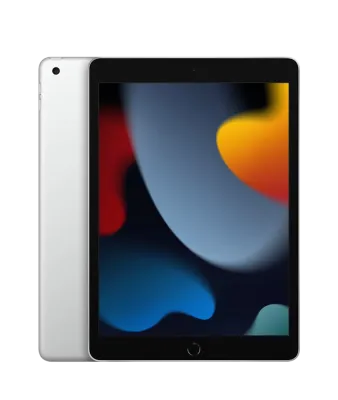
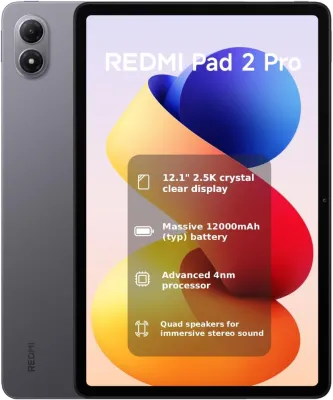
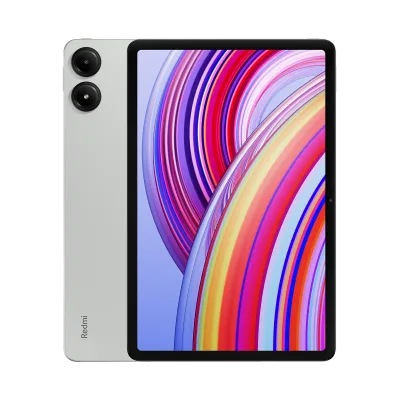
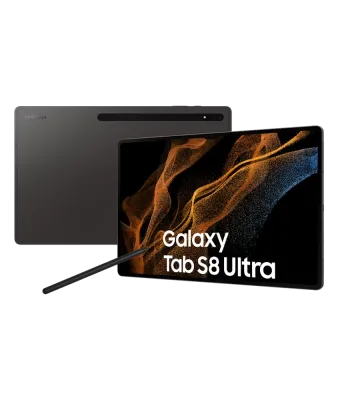
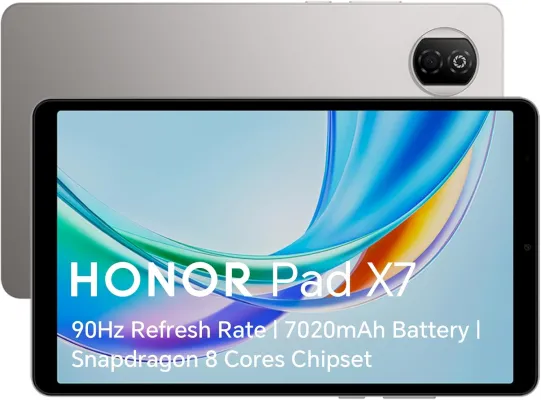
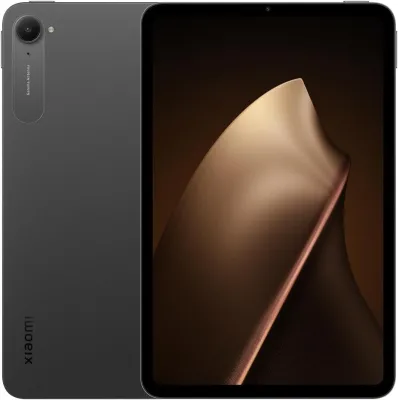
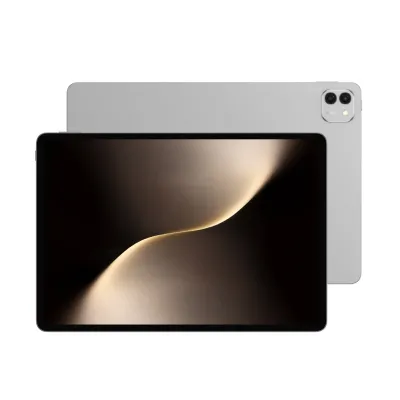
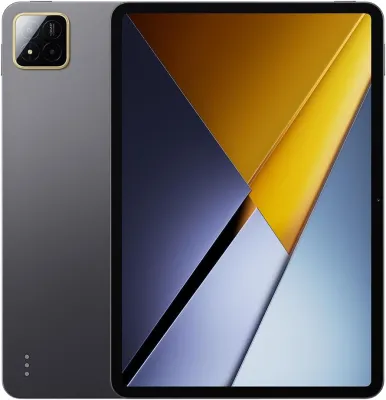
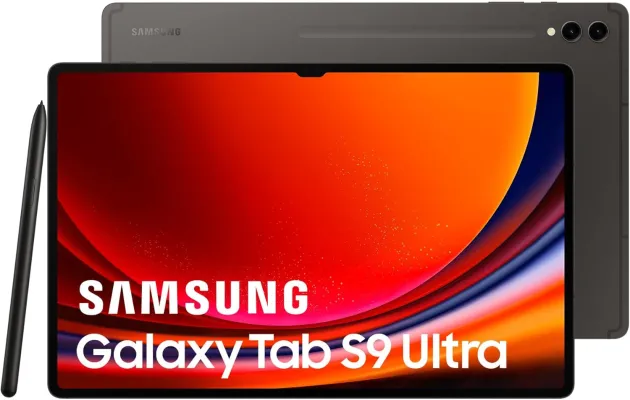
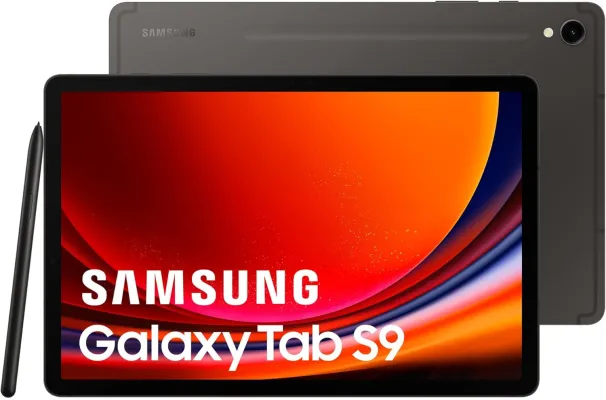
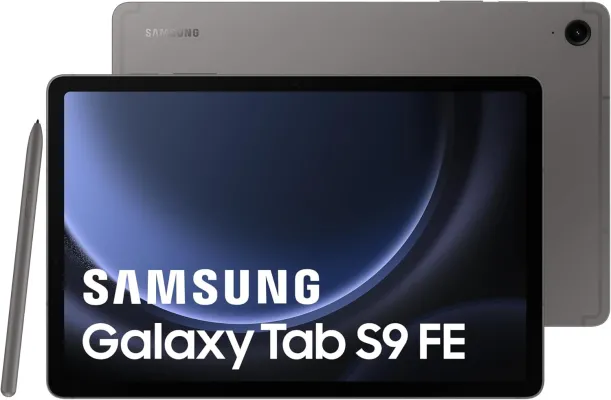
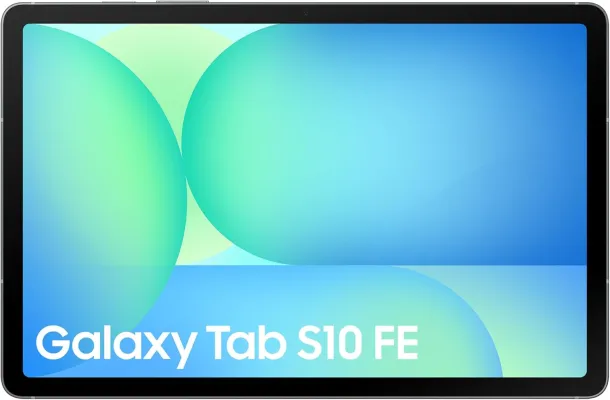
Tablets with fast charging support for quick power-ups between uses

No products found

Try adjusting your filters or browse all products.

Looking for the fastest charging phone UK 2026 has to offer? This page ranks the top 50 handsets by combined wired and wireless charging speed (weighted 85% wired, 15% wireless), so you can refuel in minutes instead of hours.

Our current top 3 are the Honor Magic 8 Pro (100W wired plus a class-leading 80W wireless), the Xiaomi Poco F8 Ultra (100W wired) and the OnePlus 13 (100W wired), three handsets that will hit a full battery in roughly 25 minutes from a flat cell. Honourable mention goes to the legendary OnePlus 10T at 150W, still one of the quickest chargers ever sold in the UK.

Notice who isn't at the top? Apple's iPhone line tops out around 22-27W and Samsung Galaxy phones cap at roughly 45-65W, because both manufacturers prioritise long-term battery health over headline charging speed. Compare verified deals from £19/month, filter by network, and find a phone that charges as fast as you live.

What makes a fast-charging phone?

Wired wattage is the headline number. The industry has climbed in clear steps: 5W (the original iPhone brick), 18W (USB Power Delivery basics), 30W, 65W, 100W, 125W, 150W and now 240W on the Realme GT Neo 6. Higher wattage means more electrical power flowing into the battery, which translates directly to a shorter charge time. A 100W phone like the OnePlus 13 typically goes 0-100% in 25-30 minutes; a 65W phone takes around 40 minutes; a 22W iPhone takes roughly 90 minutes for the same job.

Diminishing returns kick in past 100W. The jump from 18W to 65W cuts charging time roughly in half, genuinely transformative. The jump from 100W to 150W only saves around seven minutes. Above 120W we apply a soft curve in our ranking because the real-world benefit shrinks fast and most users won't notice the difference between an 18-minute and a 25-minute top-up.

Wireless charging is a separate league. Standard Qi tops out around 15W, Apple's MagSafe runs at 15-25W, and proprietary wireless tech from Honor, Xiaomi and OPPO can push 50-80W. Wireless is slower than wired by design (more heat, less efficient coil transfer) but the convenience of dropping a phone on a pad is hard to beat for overnight or desk use.

Why iPhone, Samsung and Pixel charge slowly. It isn't a technical limitation, all three could ship 100W phones tomorrow. Apple, Samsung and Google have made a deliberate engineering call to favour battery longevity (more charge cycles before degradation) and to avoid proprietary chargers that lock customers into one brand's ecosystem. They lean on universal USB-PD standards, which cap practical speeds well below what custom Chinese protocols achieve.

100% in X minutes vs raw wattage. Wattage is the input; minutes-to-full is the output. Manufacturers quote peak wattage, but real-world charging tapers sharply past 80% to protect the cell, so a 120W phone rarely sustains 120W for the full charge. Always compare full-cycle minutes when you can.

Heat and safety. Faster charging means more heat, which means more cooling hardware (vapour chambers, dual-cell batteries split into two halves charged in parallel). Brands like Honor, Xiaomi, OnePlus and Motorola Edge have invested heavily in this engineering. Apple, Samsung and Pixel sit mid-pack on speed but lead on long-term battery retention. Pair this page with our best battery life phones and best gaming phones guides, heavy gaming drains batteries fast, so charging speed matters more than ever.

Frequently Asked Questions

What is the fastest charging phone in 2026?
The Honor Magic 8 Pro currently leads our ranking with 100W wired plus 80W wireless charging. The OnePlus 10T (150W wired) remains the highest peak-wattage phone widely available in the UK, though it's a 2022 model. For pure raw speed, the Realme GT Neo 6 hits 240W in markets where it's sold.
How fast does iPhone 17 Pro Max charge?
The iPhone 17 Pro Max charges at around 27W wired and 25W via MagSafe. Roughly 50% in 30 minutes and 100% in about 90 minutes. Apple deliberately keeps speeds modest to preserve battery health across hundreds of charge cycles.
Is 100W charging too fast for my phone?
No. Phones rated for 100W are engineered around it. Dual-cell batteries, vapour-chamber cooling and intelligent charge curves protect the cell. You can only ever charge at the wattage your phone supports, regardless of the brick you plug in.
Does fast charging damage the battery?
Modern fast-charging phones use split-cell batteries and active thermal management to minimise wear. Independent testing shows phones charged at 65-100W retain 80%+ capacity after two years, only marginally behind slow-charged equivalents. Heat is the real enemy, not wattage.
What's the difference between PD, QC and proprietary fast charging?
USB Power Delivery (PD) is the universal standard used by Apple, Google and most laptops. Qualcomm Quick Charge (QC) is widely supported on Snapdragon-powered Androids. Proprietary protocols like OnePlus SuperVOOC, Xiaomi HyperCharge and Honor SuperCharge hit higher wattages but only with the bundled charger and cable.
Do I need to buy a special charger?
For top speeds, yes. To unlock 100W on a OnePlus or Xiaomi you need the original charger and cable. A generic 100W PD brick will fall back to 27-45W. Apple and Samsung phones charge at full speed on any quality USB-PD brick.
Is wireless charging fast enough?
For overnight or desk-side top-ups, absolutely. 15W MagSafe adds about 50% in an hour. For travel or quick boosts, stick with wired. Even a 65W cable beats the fastest wireless pad.
Can fast charging work on contract phones?
Yes. Charging speed is a property of the handset, not the contract. Every phone in our ranking is available on EE, O2, Three, Vodafone, Sky Mobile and iD Mobile contracts from £19/month, often with the proprietary fast charger included in the box.

Explore other rankings