 Xiaomi
£649.00
one-off

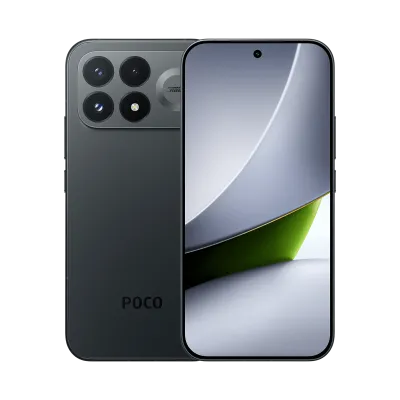
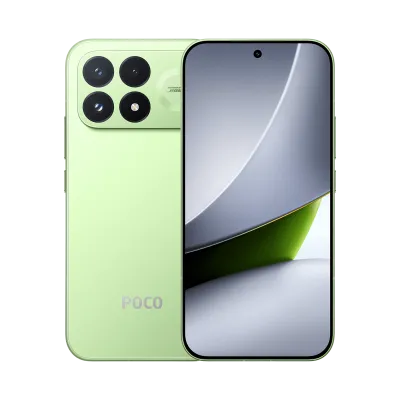
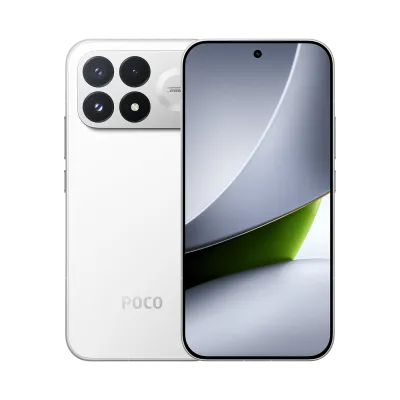
Find the best SIM Free deal on the Xiaomi Poco F9 Pro from 5 options.
Release date: 1 September 2026
Deals
SIM Free from £599.00
Color
All
Black
Green
White
Storage
All
512GB
256GB
Gamers and heavy users who want near-flagship performance, long battery life and wireless charging in a 6.59-inch phone that is noticeably smaller and lighter than the F9 Ultra.
Xiaomi
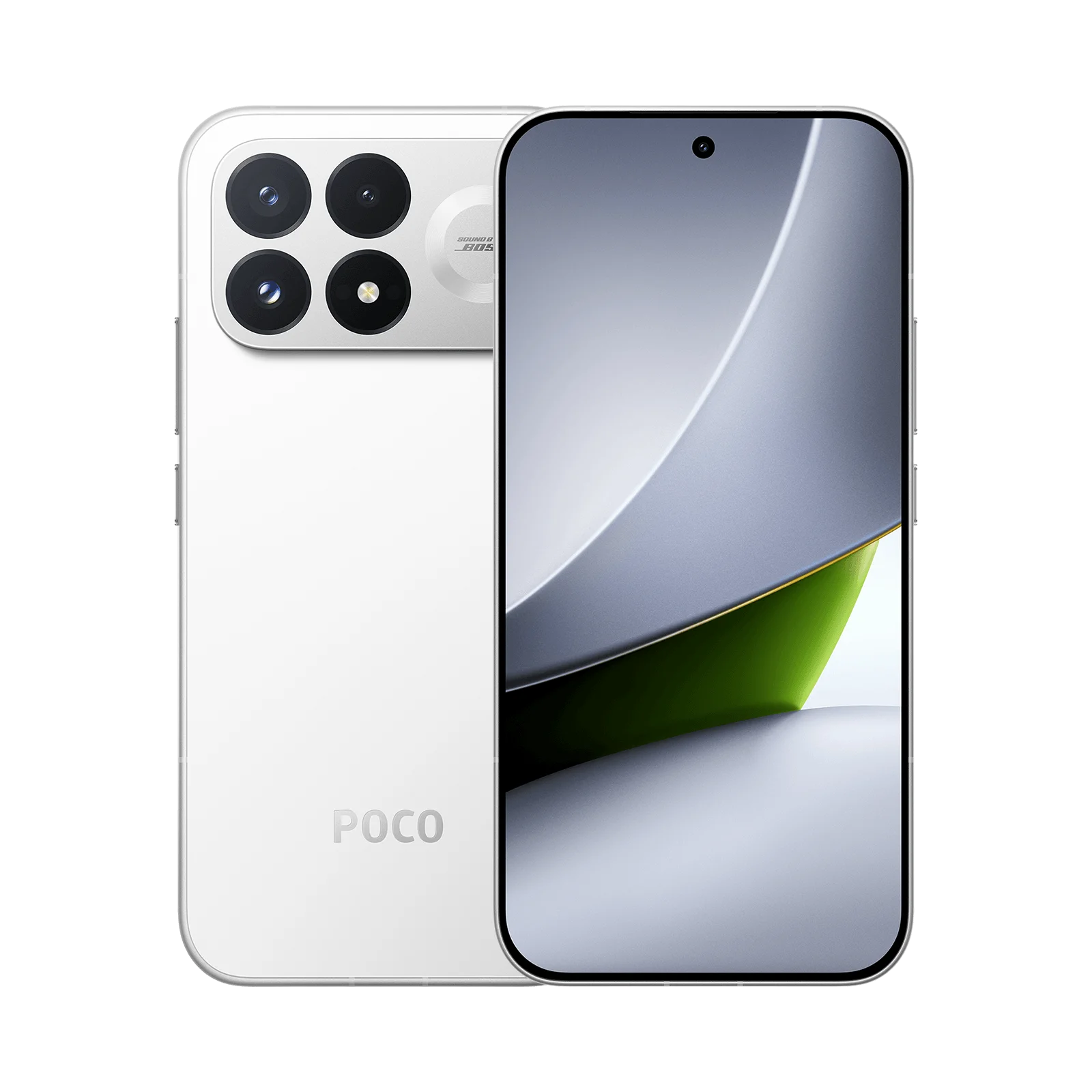
Cashback:
£0.00
Upfront Cost:
£599.00
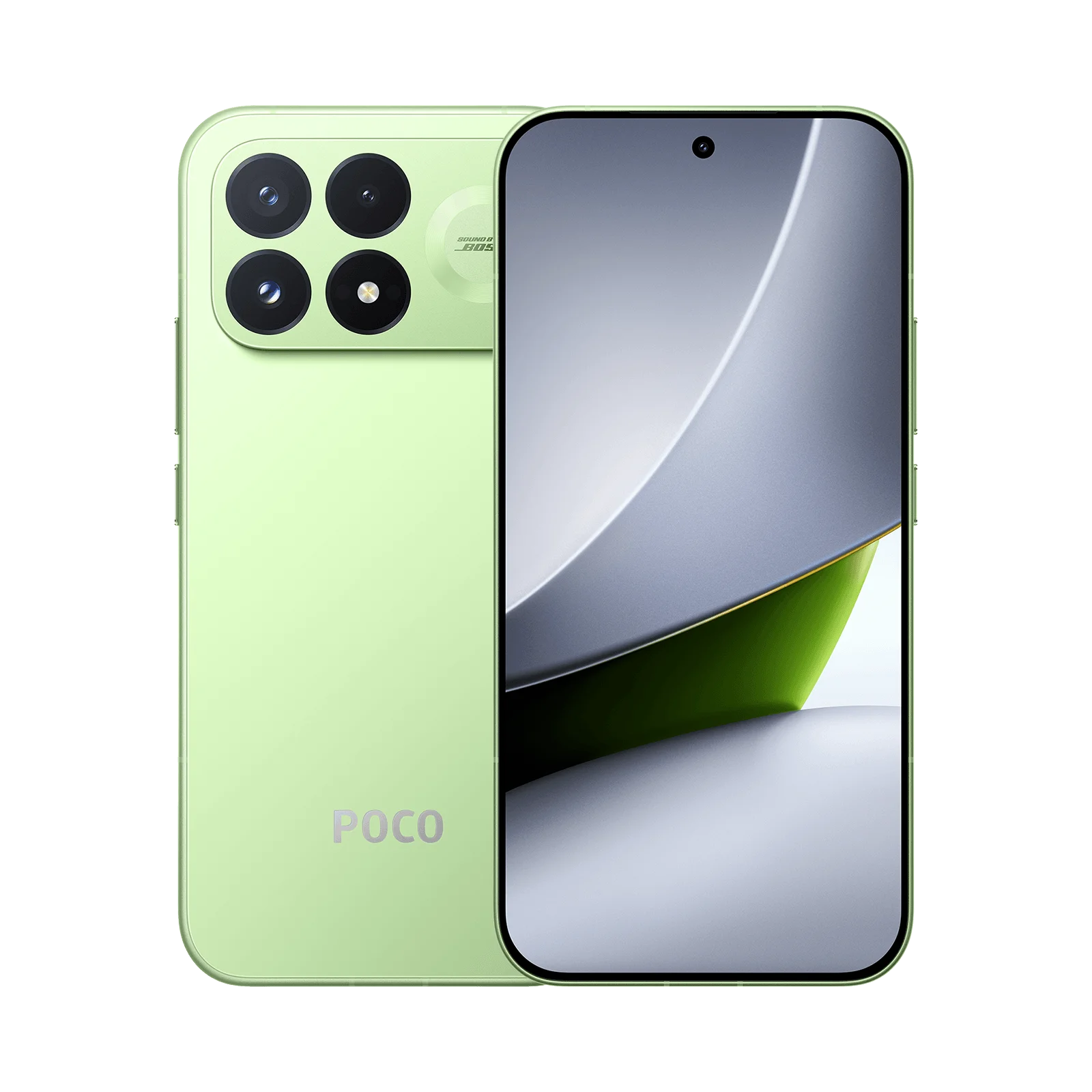
Cashback:
£0.00
Upfront Cost:
£599.00
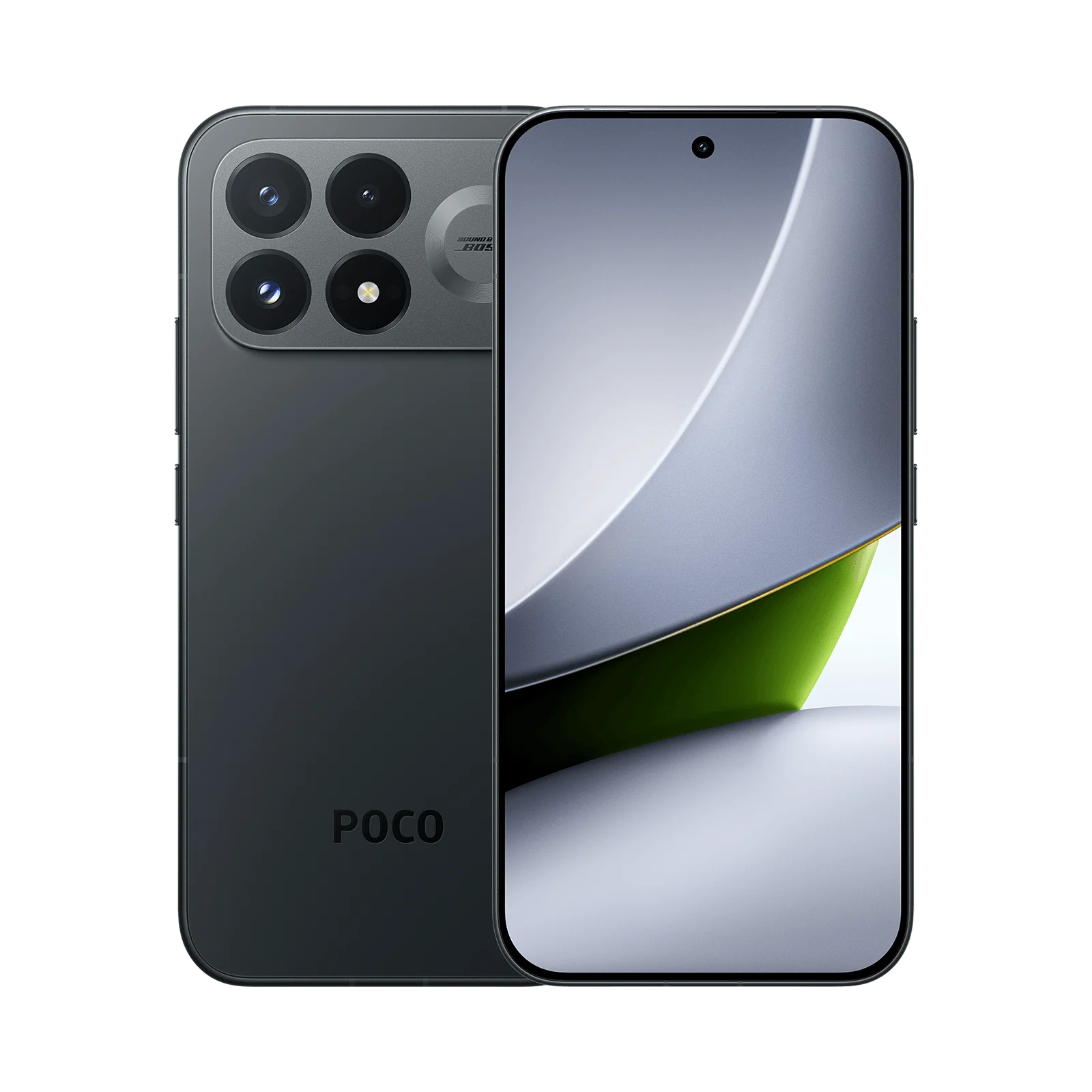
Cashback:
£0.00
Upfront Cost:
£649.00
Cashback:
£0.00
Upfront Cost:
£649.00
Cashback:
£0.00
Upfront Cost:
£649.00
Compare 5 SIM-free offers for the Xiaomi Poco F9 Pro from UK retailers.
Buy the Xiaomi Poco F9 Pro SIM-free from £599.00 at Xiaomi.
The Poco F9 Pro is the smaller, lighter half of the F9 series, and against its own predecessor it is the bigger upgrade of the two. The F8 Pro's Snapdragon 8 Elite gives way to the Snapdragon 8 Elite Gen 5 V Series, a version of the F9 Ultra's chip that keeps the same CPU speeds but trims the GPU. GSMArena measured only a small CPU deficit against the full chip, with graphics the main compromise, and like the Ultra it gets hot and throttles under sustained heavy load. The main camera jumps from 50MP to 200MP, the 2.5x telephoto can now focus as close as 10cm, and 50W wireless charging arrives, which the F8 Pro lacked. Battery life is a strength: capacity only rises to 6,330mAh, yet GSMArena's endurance score climbed well above the F8 Pro's. The 6.59-inch screen reaches 185Hz in supported games and is brighter than before. The trade-offs are a weak 8MP ultrawide, no 8K video, 7g more weight than the F8 Pro and a four-upgrade OS promise. It suits buyers who want flagship speed without the Ultra's bulk.
Tracking the best prices since 31 Aug 2026.
| Feature | Xiaomi Poco F9 Pro | Poco F8 Pro |
|---|---|---|
| Display | 6.59" AMOLED, 1156 x 2510, 185Hz, 4500 nits peak | 6.59" AMOLED, 1156 x 2510, 120Hz, 3500 nits peak |
| Chipset | Snapdragon 8 Elite Gen 5 V Series | Snapdragon 8 Elite |
| Camera system | 200MP 1/1.56" main + 50MP 2.5x telephoto + 8MP ultrawide | 50MP 1/1.55" main + 50MP 2.5x telephoto + 8MP ultrawide |
| Battery | 6,330mAh, 100W wired, 50W wireless | 6,210mAh, 100W wired, no wireless charging |
| Build / Design | 206g, 8.8mm, IP68 | 199g, 8mm, IP68 |
| Storage options | 256GB / 512GB | 256GB / 512GB |
| SIM-free price | From £599.00 | From £769.00 |
£400-£699 Phones · 57 phones
Based on calibrated CPU benchmark rankings (60%) and GFXBench GPU scores (40%). Apple chipsets included via editorial calibration since AnTuTu under-represents Apple's architecture.
Based on panel type (LTPO is the modern flagship gold standard), resolution, refresh rate, peak brightness, screen size, and HDR10+ / Dolby Vision support. Marketing peak-brightness claims are capped at 3500 nits to prevent inflation.
Based on main-sensor size (1-inch / 1/1.3" beats 1/2.0"), telephoto reach (periscope > 5x > 3x optical), image processing tier (Apple Pro, Pixel Pro, Galaxy Ultra, Honor Magic Pro, Xiaomi Ultra), pro video features (ProRes, Apple Log, Dolby Vision), camera-partnership branding (Leica, Hasselblad, Zeiss) and OIS. Older flagships are de-rated since image processing pipelines have advanced significantly each generation. Megapixel count is deliberately downweighted — it correlates poorly with real-world camera quality. Where DXOMARK has lab-tested the phone, its measured score replaces this estimate.
Based on the image-processing tier (Apple Pro, Pixel Pro, Galaxy Ultra and Honor Magic lead on computational processing), sensor resolution in tiers rather than raw megapixels, autofocus, aperture and max selfie-video resolution. Calibrated against DXOMARK's selfie protocol.
Based on battery capacity (mAh) adjusted for platform efficiency calibrated against NotebookCheck, Tom's Guide, GSMArena and CNET reviewer tests. Apple A-series gets +45% (iOS process freezing + LTPO 1Hz + tuned panels make iPhone Pro Max outlast many 6500+ mAh Android phones in measured tests). Top Snapdragon / Dimensity flagships get +15%, budget chipsets are penalised −15% to −25% to reflect less efficient displays and looser background limits. Charging speed is excluded — see the separate Fast charging tag for that.
157.5 x 75.3 x 8.8 mm (6.20 x 2.96 x 0.35 in)
206 g (7.27 oz)
Nano-SIM + Nano-SIM + eSIM + eSIM (max 2 at a time)
Android 16, up to 4 major OS updates, HyperOS 3
No
Glass front (Gorilla Glass 7i), aluminum frame, glass-fiber reinforced plastic back
200
4K@30/60fps, 1080p@30/60/120/240/960/1920fps, gyro-EIS, HDR10+
200 MP, f/1.7, 24mm (wide), 1/1.56", 0.5µm, PDAF, OIS 50 MP, f/2.0, 60mm (telephoto), 1/2.75", 0.64µm, PDAF (10cm - ∞), OIS, 2.5x optical zoom 8 MP, f/2.3, 16mm, 112˚ (ultrawide), 1/4.0", 1.12µm
HDR
32 MP, f/2.2, 22mm (wide), 1/3.4", 0.61µm
2160
4K@30fps, 1080p@30/60fps
AMOLED, 68B colors, 185Hz, Dolby Vision, HDR10+, 850 nits (typ), 2200 nits (HBM), 4500 nits (peak)
6.59
1156 x 2510 pixels, 19.5:9 ratio (~419 ppi density)
Corning Gorilla Glass 7i, Mohs level 5
Yes, with stereo speakers (with Dolby Atmos)
No
GSM 850 / 900 / 1800 / 1900
HSDPA 800 / 850 / 900 / 1700(AWS) / 1900 / 2100
1, 2, 3, 4, 5, 7, 8, 18, 19, 20, 26, 28, 38, 40, 41, 42, 48, 66
1, 2, 3, 5, 7, 8, 20, 26, 28, 38, 40, 41, 48, 66, 77, 78 SA/NSA
HSPA, LTE, 5G
GSM / HSPA / LTE / 5G
Wi-Fi 802.11 a/b/g/n/ac/6/7, dual-band, Wi-Fi Direct
6.0, A2DP, LE, AptX HD, AptX Adaptive, LHDC 5.0, ASHA, MIHC, Auracast
USB Type-C, OTG
Yes (market/region dependent)
GPS (L1+L5), BDS (B1I+B1c+B2a), GALILEO (E1+E5a), QZSS (L1+L5), NavIC (L5), GLONASS
6330
100W wired, PD3.0, QC3+, 100W PPS, 50% in 19 min 50W wireless, 50% in 35 min 27W reverse wired 22.5W reverse wireless
Fingerprint (under display, ultrasonic), accelerometer, proximity, gyro, compass