 Xiaomi
£479.00
one-off

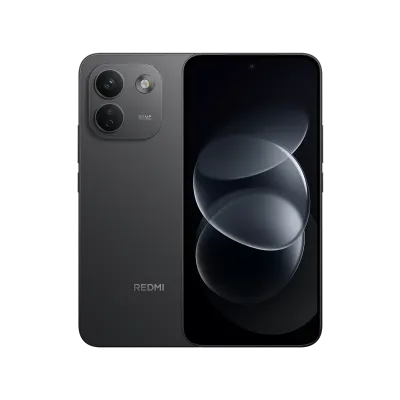
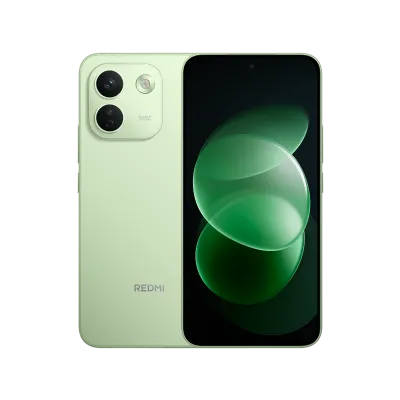
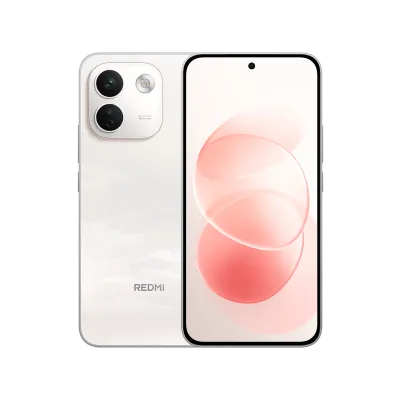
Find the best SIM Free deal on the Xiaomi Redmi Note 17 Pro Max from 3 options.
Release date: 28 August 2026
Deals
SIM Free from £479.00
Color
All
Black
Green
White
Storage
All
512GB
Heavy users and travellers who want two to three days between charges and a tough, water-resistant phone, and who do not need strong gaming performance or a telephoto camera.
Xiaomi
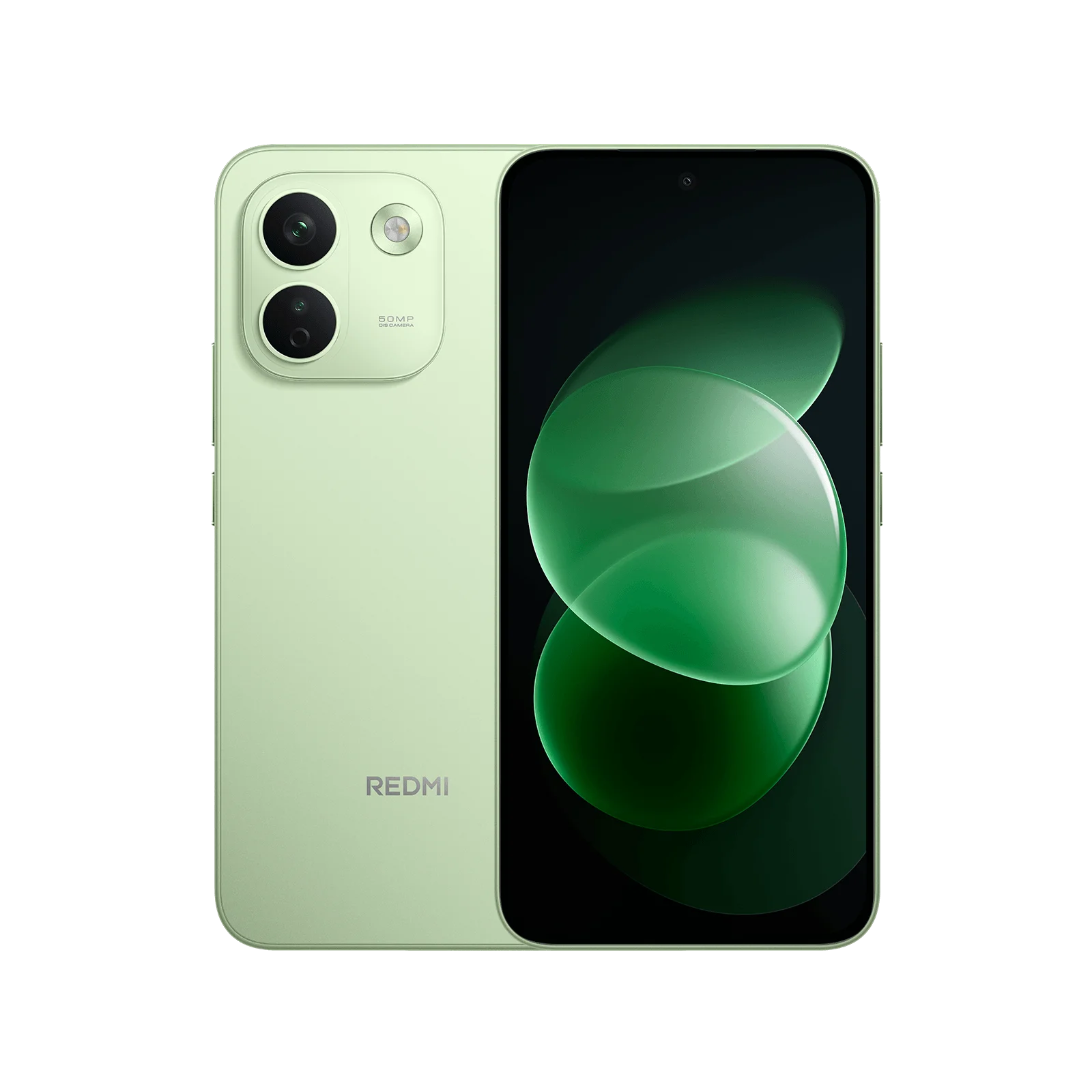
Cashback:
£0.00
Upfront Cost:
£479.00
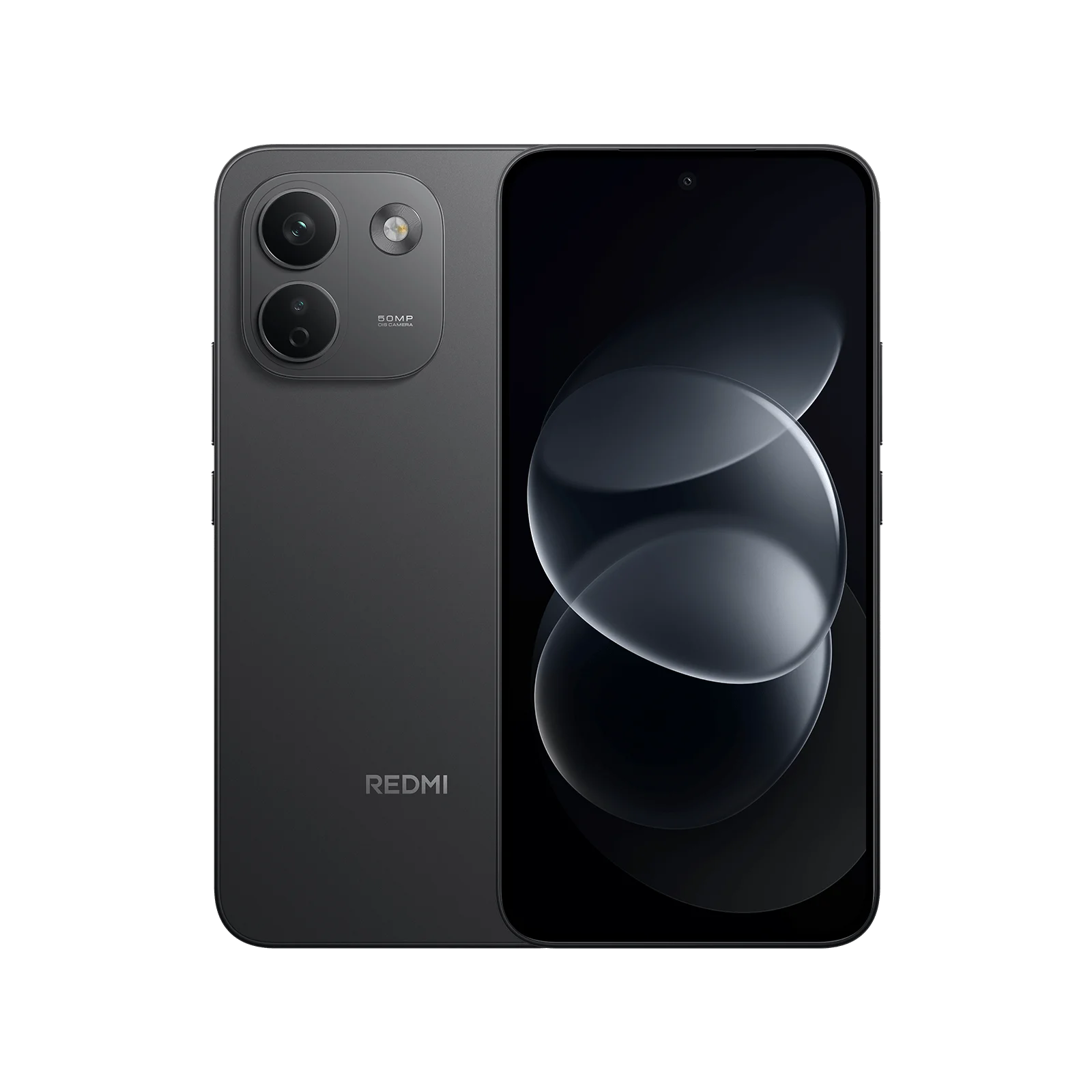
Cashback:
£0.00
Upfront Cost:
£479.00
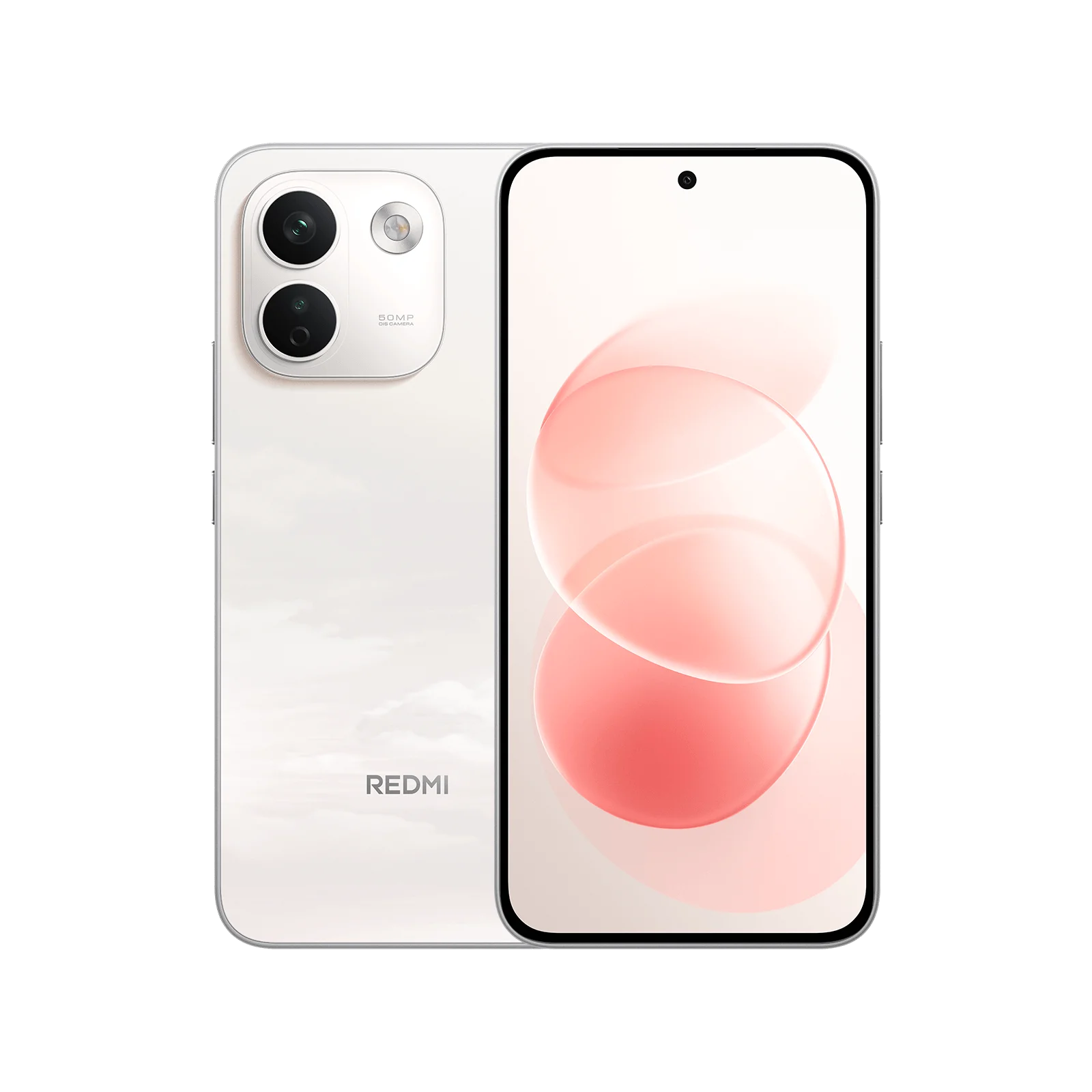
Cashback:
£0.00
Upfront Cost:
£479.00
Compare 3 SIM-free offers for the Xiaomi Redmi Note 17 Pro Max from UK retailers.
Buy the Xiaomi Redmi Note 17 Pro Max SIM-free from £479.00 at Xiaomi.
The Redmi Note 17 Pro Max is built around one idea: a phone you rarely need to charge. The UK model has a 9,210mAh silicon-carbon battery, far larger than the 6,500mAh cell in the Redmi Note 15 Pro+ it replaces, and reviewers backed up Xiaomi's claims. Trusted Reviews got three days from a charge, and GSMArena's endurance score was more than six hours longer than the Pro+ managed. It still charges at 100W and can top up earbuds or another phone at 27W. The 6.83-inch 1.5K AMOLED is bright and sharp, and IP66/IP68 sealing with a 3-metre drop certification makes it well suited to outdoor and heavy-handed use. The compromises are elsewhere. The 200MP camera of the previous Pro models has given way to a 50MP main sensor, which reviewers rated well in daylight but which is paired with a weak 8MP ultrawide and no telephoto. The Snapdragon 6 Gen 5 benchmarks only slightly ahead of the Pro+ in GSMArena's testing, and Trusted Reviews and Tech Advisor both called performance middling. Buy it for endurance and toughness rather than speed or camera range.
Tracking the best prices since 14 Sep 2026.
| Feature | Xiaomi Redmi Note 17 Pro Max | Xiaomi Redmi Note 15 Pro+ |
|---|---|---|
| Battery | 9,210mAh (UK model), 100W wired | 6,500mAh, 100W wired |
| Chipset | Qualcomm Snapdragon 6 Gen 5 | Qualcomm Snapdragon 7s Gen 4 |
| Display | 6.83-inch AMOLED, 2772x1280, 120Hz, 3,500 nits peak | 6.83-inch AMOLED, 2772x1280, 120Hz, 3,200 nits peak |
| Rear cameras | 50MP main with OIS + 8MP ultrawide | 200MP main with OIS + 8MP ultrawide |
| Front camera | 32MP, 4K video | 32MP, 1080p video |
| Reverse charging | 27W wired | 22.5W wired |
| Weight | 225g | 207g |
| SIM-free price | From £479.00 | From £429.00 |
£400-£699 Phones · 55 phones
Based on calibrated CPU benchmark rankings (60%) and GFXBench GPU scores (40%). Apple chipsets included via editorial calibration since AnTuTu under-represents Apple's architecture.
Based on panel type (LTPO is the modern flagship gold standard), resolution, refresh rate, peak brightness, screen size, and HDR10+ / Dolby Vision support. Marketing peak-brightness claims are capped at 3500 nits to prevent inflation.
Based on main-sensor size (1-inch / 1/1.3" beats 1/2.0"), telephoto reach (periscope > 5x > 3x optical), image processing tier (Apple Pro, Pixel Pro, Galaxy Ultra, Honor Magic Pro, Xiaomi Ultra), pro video features (ProRes, Apple Log, Dolby Vision), camera-partnership branding (Leica, Hasselblad, Zeiss) and OIS. Older flagships are de-rated since image processing pipelines have advanced significantly each generation. Megapixel count is deliberately downweighted — it correlates poorly with real-world camera quality. Where DXOMARK has lab-tested the phone, its measured score replaces this estimate.
Based on the image-processing tier (Apple Pro, Pixel Pro, Galaxy Ultra and Honor Magic lead on computational processing), sensor resolution in tiers rather than raw megapixels, autofocus, aperture and max selfie-video resolution. Calibrated against DXOMARK's selfie protocol.
Based on battery capacity (mAh) adjusted for platform efficiency calibrated against NotebookCheck, Tom's Guide, GSMArena and CNET reviewer tests. Apple A-series gets +45% (iOS process freezing + LTPO 1Hz + tuned panels make iPhone Pro Max outlast many 6500+ mAh Android phones in measured tests). Top Snapdragon / Dimensity flagships get +15%, budget chipsets are penalised −15% to −25% to reflect less efficient displays and looser background limits. Charging speed is excluded — see the separate Fast charging tag for that.
50
4K@30fps, 1080p@30/60fps, gyro-EIS, OIS
50 MP, f/1.5, 26mm (wide), 1/1.95", 0.8µm, PDAF, OIS 8 MP, f/2.2, 15mm, 120˚ (ultrawide), 1/4.0", 1.12µm
HDR, panorama
32 MP, f/2.2, 22mm (wide), 1/3.6", 0.61µm
2160
4K@30fps, 1080p@30/60fps, gyro-EIS
AMOLED, 68B colors, 120Hz, 3840Hz PWM, HDR10+, Dolby Vision, 1060 nits (typ), 2000 nits (HBM), 3500 nits (peak)
6.83
1280 x 2772 pixels, 19.5:9 ratio (~447 ppi density)
Corning Gorilla Glass Victus 2
Snapdragon 6 Gen 5
Adreno 812
Octa-core (4x2.6 GHz Cortex-A78 & 4x2.0 GHz Cortex-A55)
No
Yes, with stereo speakers (with Dolby Atmos)
No
GSM 850 / 900 / 1800 / 1900
HSDPA 850 / 900 / 1700(AWS) / 1900 / 2100 - International
1, 2, 3, 4, 5, 7, 8, 12, 13, 17, 18, 19, 20, 26, 28, 32, 38, 40, 41, 42, 48, 66 - International
1, 2, 3, 5, 7, 8, 12, 20, 26, 28, 38, 40, 41, 48, 66, 77, 78 SA/NSA - International
HSPA, LTE, 5G
GSM / HSPA / LTE / 5G
Wi-Fi 802.11 a/b/g/n/ac/6, dual-band, Wi-Fi Direct
6.0, A2DP, LE
USB Type-C 2.0, OTG
Yes (market/region dependent)
GPS, GALILEO, GLONASS, QZSS, BDS (B1I+B1c)
10000
100W wired, PD3.0, PPS 27W reverse wired
Fingerprint (under display, optical), accelerometer, gyro, compass, proximity