My Mobiles
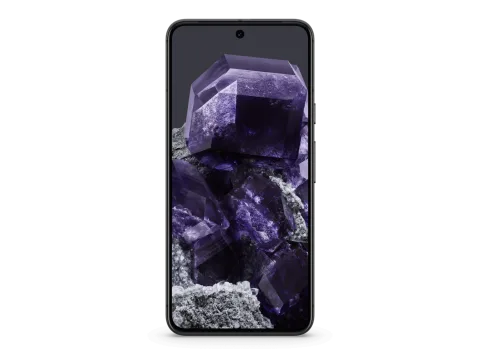
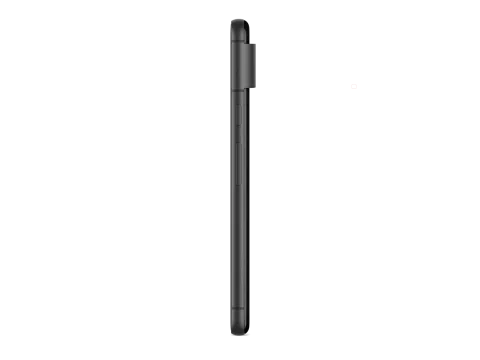
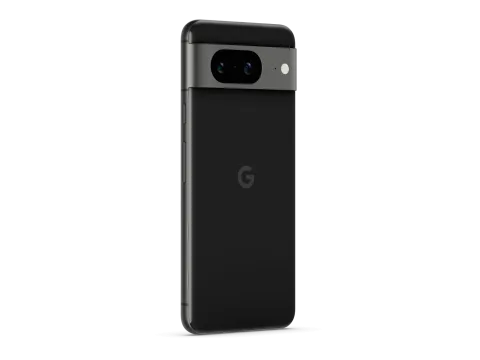
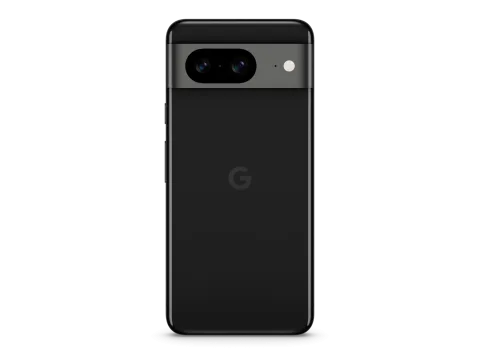
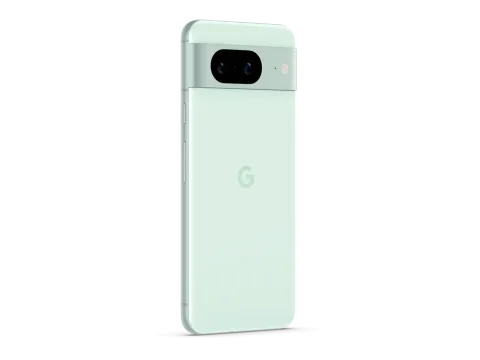
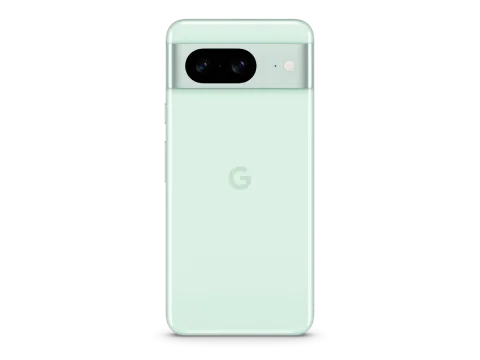
Google Pixel 8

Google Pixel 8 Pay Monthly (Lease) deals

Find the best Pay Monthly (Lease) deal on the Google Pixel 8 from 3 options.

Spec scores £700-£999 Phones · 74 phones
Performance 3.3 /5
Display 3.7 /5
Rear Camera 2.3 /5
Front Camera 2.6 /5
Battery 2.5 /5

Color

All

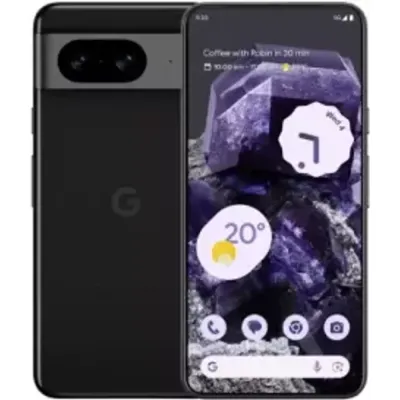
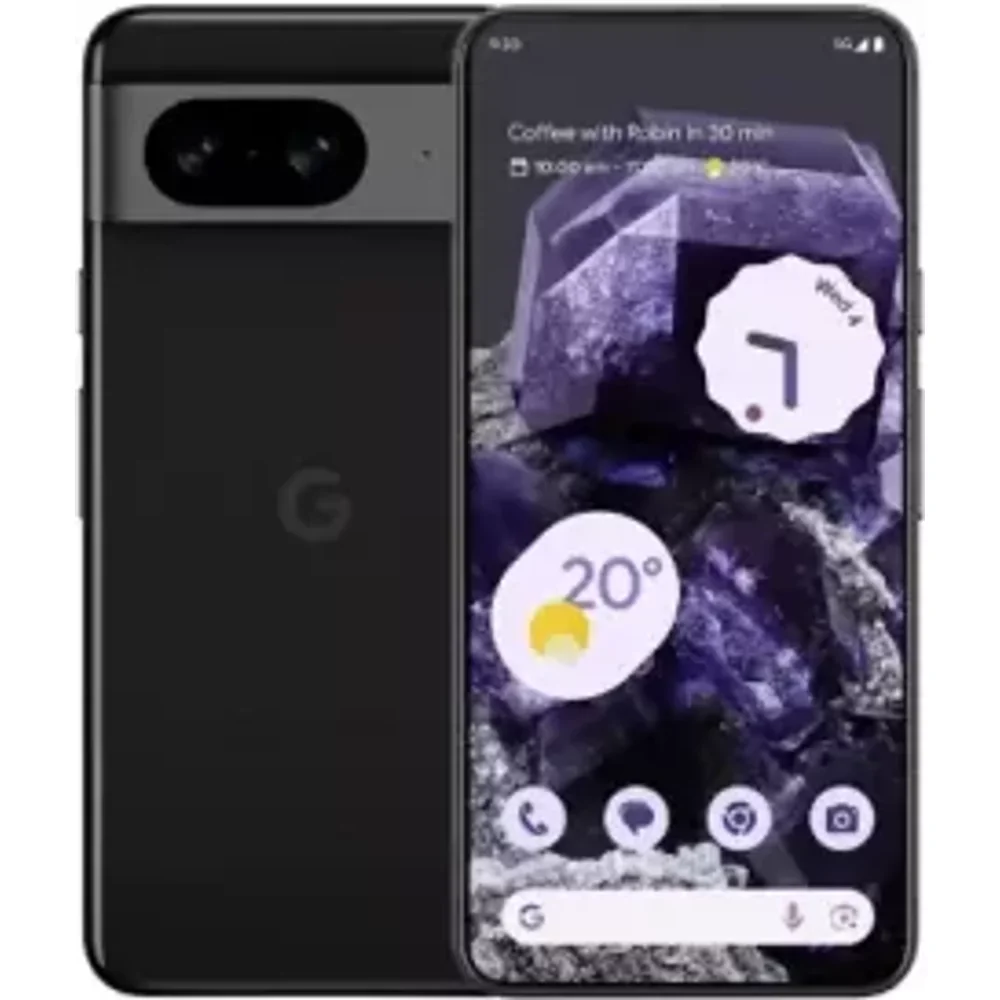
Black

Gold

Green

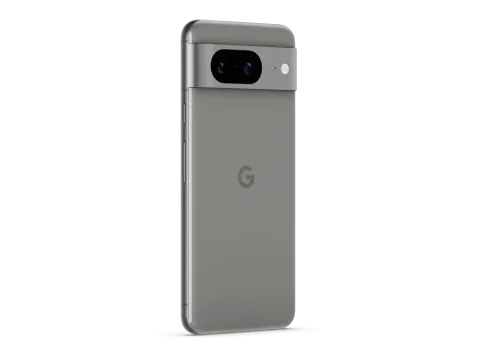
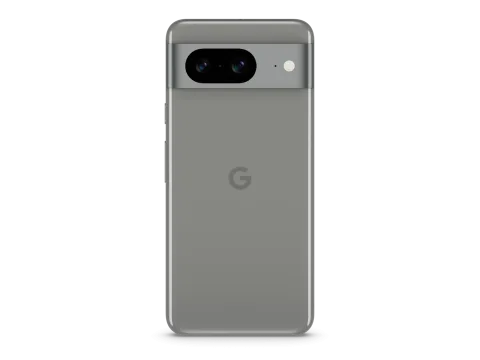
Grey

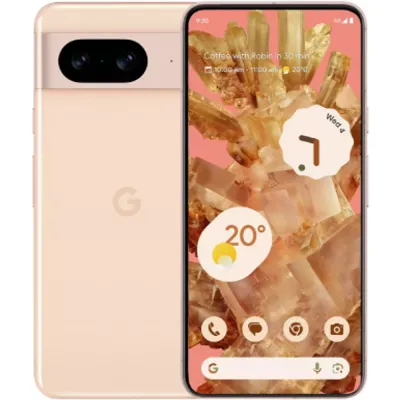
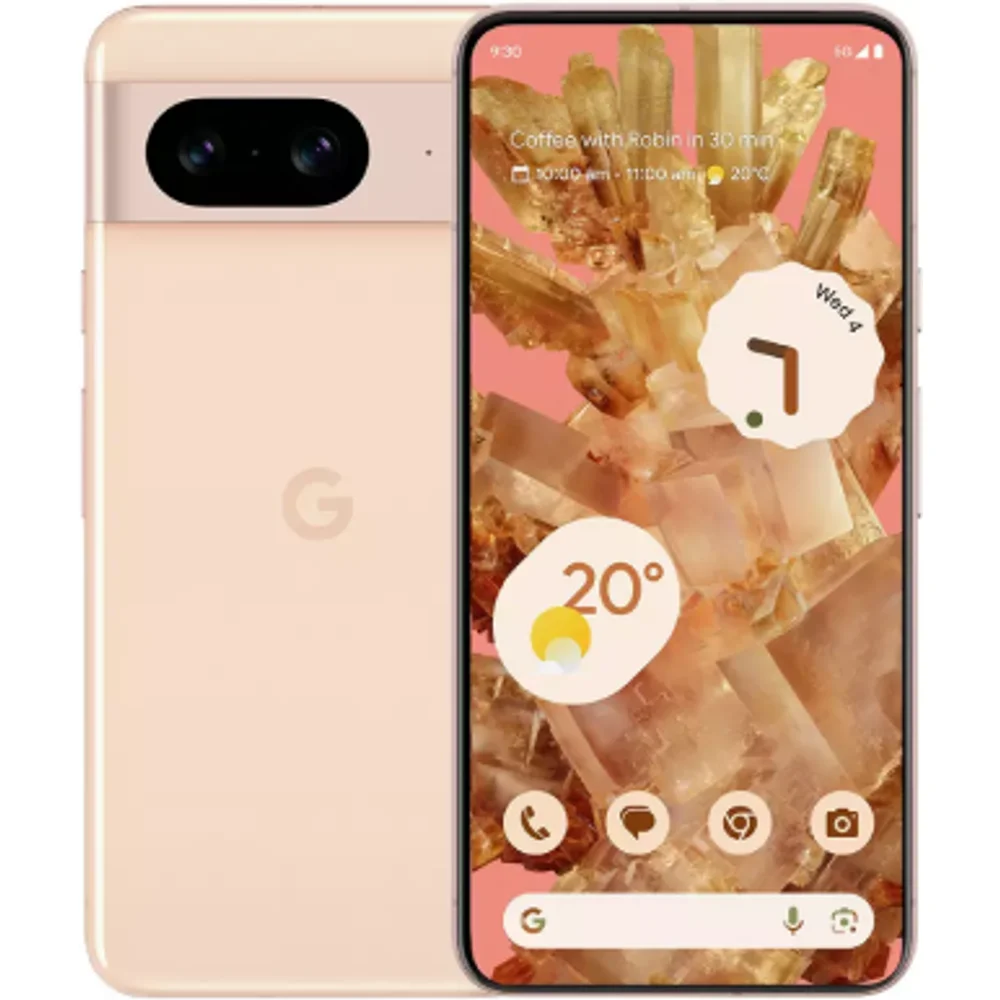
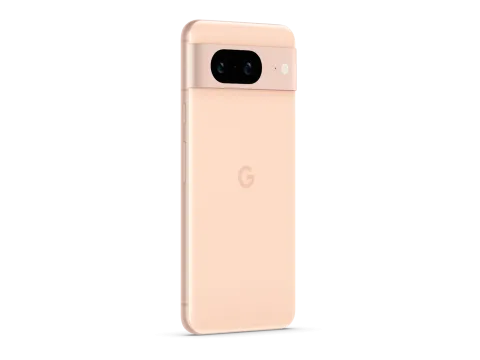
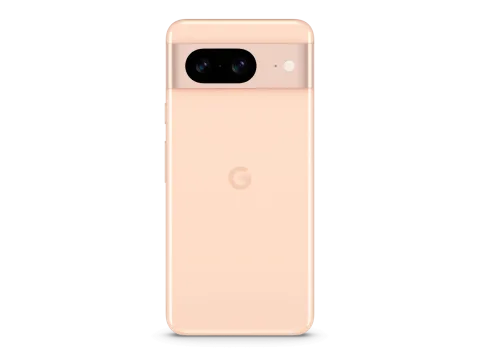
Pink

Storage

All

128GB

256GB

Buyers who want a compact, pure Android phone with an excellent camera and long-term updates at a mid-range price.

Google Pixel 8 Pay Monthly (Lease) (3 deals)

Filters

5G
Pixel 8

Pixel 8 128GB (Black)

Pay Monthly (Lease)

£13.99 / month

£0.00 upfront

Avg monthly cost: £13.99

Total cost: £503.64

Go To Deal

Sold by Raylo

Cost breakdown

Cashback:

£0.00

First Year Cost:

£167.88

Monthly Average Cost:

£503.64 ÷ 36 = £13.99

Monthly Cost:

£13.99 x 36 = £503.64

Total Cost:

£503.64

5G
Pixel 8

Pixel 8 128GB (Black)

Pay Monthly (Lease)

£18.49 / month

£0.00 upfront

Avg monthly cost: £18.49

Total cost: £443.76

Go To Deal

Sold by Raylo

Cost breakdown

Cashback:

£0.00

First Year Cost:

£221.88

Monthly Average Cost:

£443.76 ÷ 24 = £18.49

Monthly Cost:

£18.49 x 24 = £443.76

Total Cost:

£443.76

5G
Pixel 8

Pixel 8 128GB (Black)

Pay Monthly (Lease)

£25.99 / month

£0.00 upfront

Avg monthly cost: £25.99

Total cost: £311.88

Go To Deal

Sold by Raylo

Cost breakdown

Cashback:

£0.00

First Year Cost:

£311.88

Monthly Average Cost:

£311.88 ÷ 12 = £25.99

Monthly Cost:

£25.99 x 12 = £311.88

Total Cost:

£311.88

Google Pixel 8 Deals - May 2026

170 refurbished deals available - contracts from £24.00/month and SIM-free from £200.00.

About the Google Pixel 8

The Pixel 8 continues to be a genuinely compelling phone in 2026, offering a clean Android experience and Google's best AI features at a price that has dropped well below its original asking. Powered by the Tensor G3 chip with 8GB of RAM, it handles everyday tasks and AI features like Circle to Search, Best Take, and Audio Magic Eraser without breaking a sweat. The 50MP main camera remains one of the best at its current price point, with Google's computational photography producing reliably excellent photos in virtually any lighting condition, and Night Sight is still among the best low-light modes on any phone. The 6.2-inch Actua OLED display with 120Hz refresh and up to 2,000 nits brightness is compact enough to use one-handed, which is increasingly unusual. Battery life from the 4,575mAh cell gets most users comfortably through a full day. With seven years of update support running through October 2030, you still have nearly five years of OS upgrades and security patches ahead. The Pixel 8 lacks a telephoto lens and its charging speed tops out at a modest 27W, but at its current discounted price these feel like reasonable trade-offs rather than dealbreakers.

Available Networks

Price History

Tracking the best prices since 27 Apr 2026.

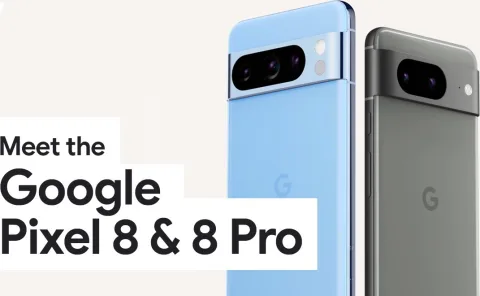
Google Pixel 8 vs Pixel 8 Pro — Key Differences

Feature Google Pixel 8 Google Pixel 8 Pro
Display 6.2-inch Actua OLED, FHD+ 1080p, 120 Hz, 2,000 nits peak 6.7-inch Super Actua LTPO OLED, QHD+ 1440p, 120 Hz, 2,400 nits peak
Chipset Google Tensor G3, 8 GB RAM Google Tensor G3, 12 GB RAM
Camera system 50 MP wide + 12 MP ultrawide (no telephoto) 50 MP wide + 48 MP ultrawide + 48 MP 5x telephoto
Battery 4,575 mAh 5,050 mAh
Charging speed 27 W wired, 18 W wireless 30 W wired, 23 W wireless
SIM-free price Not available From £266.00

Frequently Asked Questions

Is the Google Pixel 8 still worth buying in 2026?
Yes. The Pixel 8 offers a flagship-level camera, full access to Google's AI features, and nearly five more years of software support, all at a significantly reduced price. It remains one of the best value Android phones available, though buyers who want a telephoto camera should look at the Pixel 8 Pro or newer models.
How long will the Google Pixel 8 receive software updates?
Google guarantees seven years of OS upgrades and security patches from its October 2023 launch. The Pixel 8 will be supported through at least October 2030, receiving new Android versions, monthly security patches, and quarterly Pixel Drop feature updates.
How does the Google Pixel 8 compare to the Pixel 7?
The Pixel 8 upgrades to the Tensor G3 chip for better AI performance, adds a brighter 120Hz Actua display, improves the ultrawide camera to 12MP, and extends software support from five to seven years. The design is also refined with more rounded edges and a smaller footprint.
Is the Google Pixel 8 camera good?
The Pixel 8's 50MP main camera produces excellent photos, often rivalling phones that cost significantly more. Google's computational photography excels in challenging lighting, and Night Sight delivers some of the best low-light results available. The 12MP ultrawide is solid for group shots and landscapes, but there is no telephoto lens, so zoom beyond 2x relies on digital cropping.
Does the Google Pixel 8 have wireless charging?
Yes. The Pixel 8 supports up to 18W wireless charging with the Pixel Stand (2nd gen) and up to 12W on standard Qi chargers. Wired charging reaches 27W, which is functional but slower than many competitors at this level.
Is the Google Pixel 8 waterproof?
The Pixel 8 has an IP68 rating, meaning it can survive submersion in up to 1.5 metres of fresh water for 30 minutes and is fully dust-resistant. It handles rain and accidental water exposure well, though resistance can degrade over time with normal wear.
Is the Google Pixel 8 Pro worth it over the Pixel 8?
The Pro's standout advantage is the 48MP 5x telephoto lens, giving you a genuine zoom camera the standard Pixel 8 lacks entirely. You also get a larger 6.7-inch display, 12GB of RAM versus 8GB, a bigger 5,050mAh battery, and faster 30W wired and 23W wireless charging. The Pixel 8 Pro starts at £264.99 SIM-free versus £229.99 for the Pixel 8. If you value zoom photography and extra screen space, the Pro is worth the modest premium. Compare Google Pixel 8 Pro deals.

Google Pixel 8 Specifications

Spec Scores

£700-£999 Phones · 74 phones

  • Google Tensor G3
  • Nona-core (1x3.0 GHz Cortex-X3 & 4x2.45 GHz Cortex-A715 & 4x2.15 GHz Cortex-A510)
This phone
66%
Avg
79%
Best
100%
This phone
66%
Avg
45%
Best
100%

Based on calibrated CPU benchmark rankings (60%) and GFXBench GPU scores (40%). Apple chipsets included via editorial calibration since AnTuTu under-represents Apple's architecture.

  • 6.2 inches
  • 1080 x 2400 pixels
  • OLED, 120Hz, 2000 nits peak
This phone
74%
Avg
79%
Best
100%
This phone
74%
Avg
60%
Best
100%

Based on panel type (LTPO is the modern flagship gold standard), resolution, refresh rate, peak brightness, screen size, and HDR10+ / Dolby Vision support. Marketing peak-brightness claims are capped at 3500 nits to prevent inflation.

  • Single camera setup
  • 50 MP main camera
  • 4K video recording
This phone
46%
Avg
58%
Best
90%
This phone
46%
Avg
39%
Best
90%

Based on main-sensor size (1-inch / 1/1.3" beats 1/2.0"), telephoto reach (periscope > 5x > 3x optical), image processing tier (Apple Pro, Pixel Pro, Galaxy Ultra, Honor Magic Pro, Xiaomi Ultra), pro video features (ProRes, Apple Log, Dolby Vision), camera-partnership branding (Leica, Hasselblad, Zeiss) and OIS. Older flagships are de-rated since image processing pipelines have advanced significantly each generation. Megapixel count is deliberately downweighted — it correlates poorly with real-world camera quality.

  • 10 MP front camera
  • 4K selfie video
This phone
51%
Avg
63%
Best
92%
This phone
51%
Avg
54%
Best
92%

Based on selfie megapixels and max selfie-video resolution.

  • 4,575 mAh
  • 27W wired, PD3.0, PPS, 50% in 30 min
This phone
49%
Avg
61%
Best
100%
This phone
49%
Avg
52%
Best
100%

Based on battery capacity (mAh) adjusted for platform efficiency calibrated against NotebookCheck, Tom's Guide, GSMArena and CNET reviewer tests. Apple A-series gets +45% (iOS process freezing + LTPO 1Hz + tuned panels make iPhone Pro Max outlast many 6500+ mAh Android phones in measured tests). Top Snapdragon / Dimensity flagships get +15%, budget chipsets are penalised −15% to −25% to reflect less efficient displays and looser background limits. Charging speed is excluded — see the separate Fast charging tag for that.

General

Dimensions

150.5 x 70.8 x 8.9

Weight

187 g

SIM

Nano-SIM + eSIM

Operating System

Android 14, up to 16

Radio

No

Body

Obsidian, Hazel, Rose, Mint

Camera

Primary Camera Megapixels

50

Primary Camera Video

4K@24/30/60fs, 1080@30/60/120/240fs; gyro-EIS, OIS, 10-bit HDR

Second Camera

50 (12 eff.), f/1.7, 25mm (wide), 1/1.31", 1.2µm, dual pixel PDAF, OIS 12 , f/2.2, 126˚ (ultrawide), 1/2.9", 1.25µm, AF

Selfie Camera Features

HDR, panorama

Primary Selfie Camera

10.5 , f/2.2, 20mm (ultrawide), 1/3.1", 1.22µm

Video Resolution

2160

Selfie Video Resolution

4K@24/30/60fs, 1080@30/60fs

Display

Type

OLED, 120Hz, HDR10+, 1400 nits (HBM), 2000 nits (peak)

Display Size

6.2

Display Resolution

1080 x 2400 pixels, 20:9 ratio (~428 ppi density)

Display Protection

Corning Gorilla Glass Victus

CPU & Memory

Chipset

Google Tensor G3

GPU

Immortalis-G715s MC10

CPU

Nona-core (1x3.0 GHz Cortex-X3 & 4x2.45 GHz Cortex-A715 & 4x2.15 GHz Cortex-A510)

Memory Card Slot

No

Internal Storage

Sound

Loudspeaker

Yes, with stereo speakers

3.5mm Jack

No

Connectivity & Data

2G

GSM 850 / 900 / 1800 / 1900

3G

HSDPA 800 / 850 / 900 / 1700(AWS) / 1900 / 2100

4G

1, 2, 3, 4, 5, 7, 8, 12, 13, 14, 17, 18, 19, 20, 25, 26, 28, 29, 30, 38, 40, 41, 46, 48, 66, 71 - GKWS6, G9BQD

5G

1, 2, 3, 5, 7, 8, 12, 20, 25, 26, 28, 29, 30, 38, 40, 41, 48, 66, 70, 71, 77, 78, 258, 260, 261 SA/NSA/Sub6/mmWave - GKWS6

Network Speed

HSPA, LTE, 5G

Network Technology

GSM / HSPA / LTE / 5G

Wi-Fi

Wi-Fi 802.11 a/b/g/n/ac/6e/7, tri-band, Wi-Fi Direct

Bluetooth

5.3, A2DP, LE, aptX HD

USB

USB Type-C 3.2

NFC

Yes

GPS

GPS (L1+L5), GLONASS (G1), GALILEO (E1+E5a), QZSS (L1+L5)

Battery

Battery

4575

Charging

27W wired, PD3.0, PPS, 50% in 30 min 18W wireless Reverse wireless Bypass charging

Other

Sensors

Fingerprint (under display, optical), accelerometer, gyro, proximity, compass, barometer