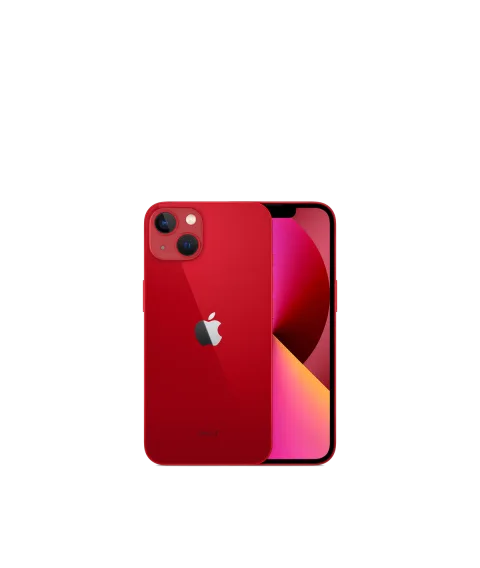
Save £10 on the upfront cost when you buy any Pay Monthly device with an upfront cost of more than £10
Ends 31 May 2026
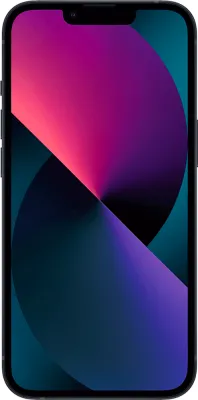
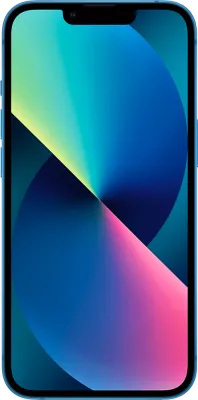
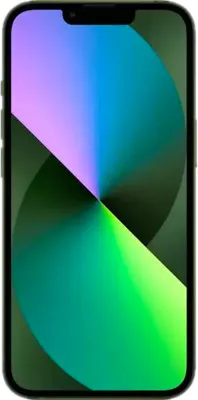
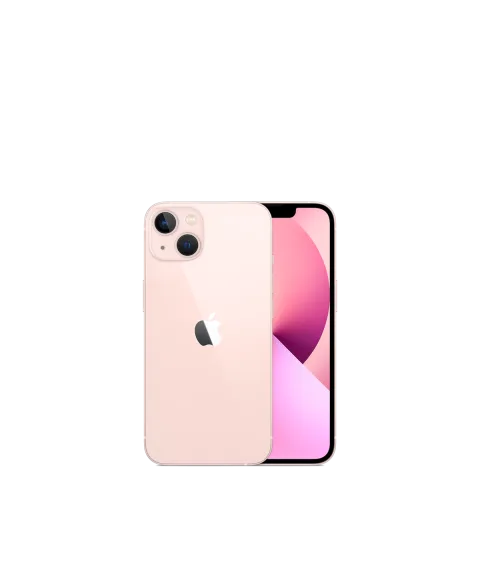
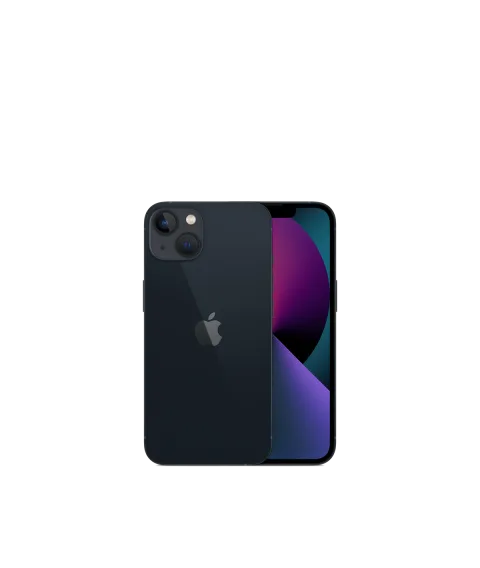
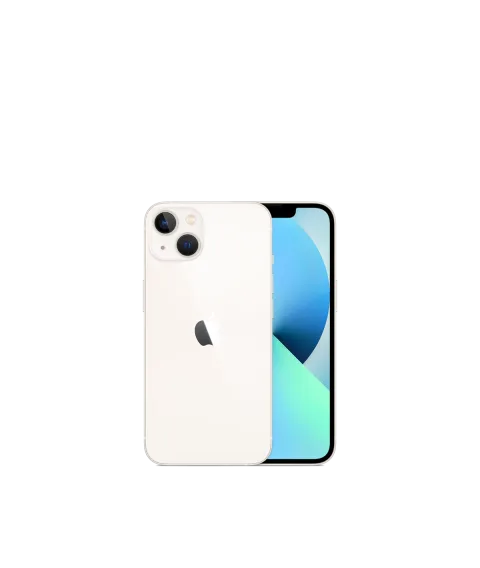
Find the best SIM Free deal on the Apple iPhone 13 from 4 options.
Deals
Contract from £11.95 / month
Upgrade from £13.00 / month
SIM Free from £399.00
Color
All
Black
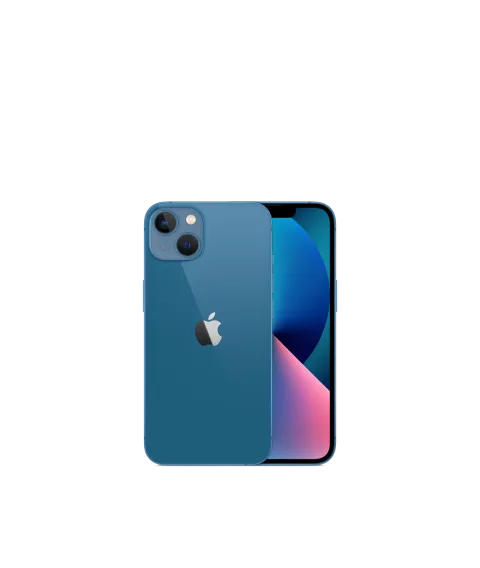
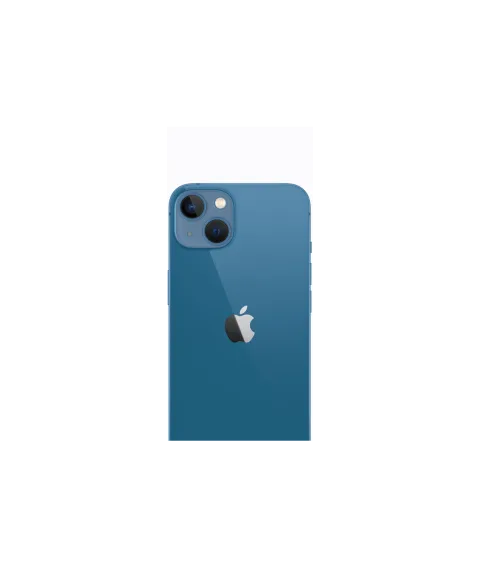
Blue
Green
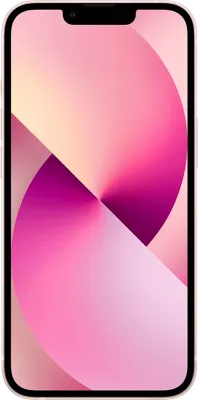
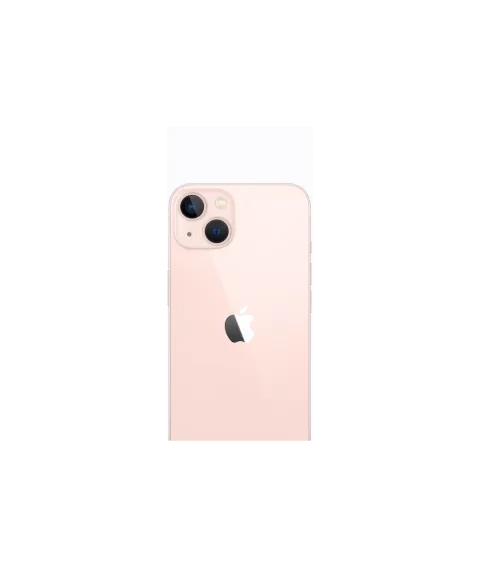
Pink
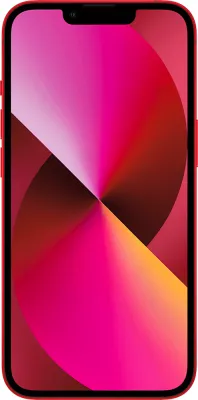
Red
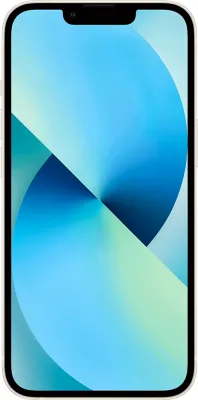
White
Storage
All
128GB
256GB
512GB
Budget-minded buyers who want a reliable, well-supported iPhone with a good camera and 5G for everyday use, and who do not need 120Hz ProMotion or the latest AI features.
Cashback:
£0.00
Upfront Cost:
£399.00
Cashback:
£0.00
Upfront Cost:
£399.00
Cashback:
£0.00
Upfront Cost:
£399.00
Cashback:
£0.00
Upfront Cost:
£399.00
Compare 490 contract deals, 418 upgrade deals and 4 SIM-free offers for the Apple iPhone 13 from UK retailers.
The best Apple iPhone 13 contract deal starts from £11.95/month with Metrofone.
Over 24 months, the cheapest contract totals £511.80. Buying SIM-free at £399.00 plus a comparable SIM-only deal (~£8.00/mo for 15GB) totals £591.00 — making the contract £79.20 cheaper overall.
Buy the Apple iPhone 13 SIM-free from £399.00 at Metrofone.
378 refurbished deals available - contracts from £10.00/month and SIM-free from £174.99.
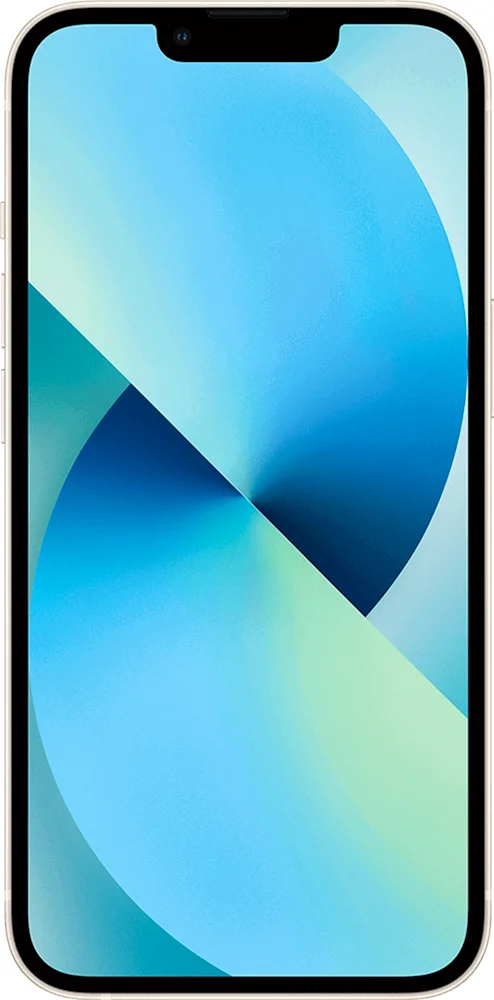
The iPhone 13 is Apple's mainstream workhorse from 2021, and in 2026 it continues to offer a genuinely solid experience for everyday use. The A15 Bionic chip keeps things running smoothly whether you are juggling apps, playing games, or editing photos, and it shows no signs of struggling with current software. The dual 12MP camera system with sensor-shift stabilisation produces reliably good photos in most conditions, and Cinematic video mode adds a creative touch that was previously reserved for Pro models. The 6.1-inch OLED display is bright and sharp, though locked at 60Hz, which is noticeable if you have used a 120Hz phone. Battery life is decent for a standard-sized phone, getting most people through a day of moderate use. Apple still supports it with the latest iOS updates, expected to continue through at least 2027. The honest consideration in 2026 is whether the iPhone 14 offers better value at a similar price, as it adds Crash Detection, satellite Emergency SOS, and a slightly longer update runway. The 13 also misses out on Apple Intelligence and uses Lightning instead of USB-C. For tight budgets where every pound matters, the iPhone 13 remains a capable and reliable daily driver.

Tracking the best prices since 27 Apr 2026.
| Feature | Apple iPhone 13 | Apple iPhone 13 Mini |
|---|---|---|
| Display | 6.1-inch Super Retina XDR OLED, 60Hz, 800 nits typical | 5.4-inch Super Retina XDR OLED, 60Hz, 800 nits typical |
| Chipset | A15 Bionic, 4-core GPU | A15 Bionic, 4-core GPU |
| Camera system | 12MP wide + 12MP ultrawide | 12MP wide + 12MP ultrawide |
| Battery | 3,227 mAh — up to 19 hours video playback | 2,406 mAh — up to 17 hours video playback |
| Weight | 174 g | 141 g |
| Pocketability | Standard 146.7 mm body — comfortable for most hands | Compact 131.5 mm body — the last small flagship iPhone ever made |
| SIM-free price | From £399.00 | From £182.00 |
£200-£399 Phones · 152 phones
Based on calibrated CPU benchmark rankings (60%) and GFXBench GPU scores (40%). Apple chipsets included via editorial calibration since AnTuTu under-represents Apple's architecture.
Based on panel type (LTPO is the modern flagship gold standard), resolution, refresh rate, peak brightness, screen size, and HDR10+ / Dolby Vision support. Marketing peak-brightness claims are capped at 3500 nits to prevent inflation.
Based on main-sensor size (1-inch / 1/1.3" beats 1/2.0"), telephoto reach (periscope > 5x > 3x optical), image processing tier (Apple Pro, Pixel Pro, Galaxy Ultra, Honor Magic Pro, Xiaomi Ultra), pro video features (ProRes, Apple Log, Dolby Vision), camera-partnership branding (Leica, Hasselblad, Zeiss) and OIS. Older flagships are de-rated since image processing pipelines have advanced significantly each generation. Megapixel count is deliberately downweighted — it correlates poorly with real-world camera quality.
Based on selfie megapixels and max selfie-video resolution.
Based on battery capacity (mAh) adjusted for platform efficiency calibrated against NotebookCheck, Tom's Guide, GSMArena and CNET reviewer tests. Apple A-series gets +45% (iOS process freezing + LTPO 1Hz + tuned panels make iPhone Pro Max outlast many 6500+ mAh Android phones in measured tests). Top Snapdragon / Dimensity flagships get +15%, budget chipsets are penalised −15% to −25% to reflect less efficient displays and looser background limits. Charging speed is excluded — see the separate Fast charging tag for that.
12
4K@24/25/30/60fs, 1080@25/30/60/120/240fs, HDR, Dolby Vision HDR (u to 60fs), stereo sound rec.
12 , f/1.6, 26mm (wide), 1/1.9", 1.7µm, dual pixel PDAF, sensor-shift OIS 12 , f/2.4, 120˚, 13mm (ultrawide), 1/3.4", 1.0µm
HDR
12 , f/2.2, 23mm (wide), 1/3.6", 1.0µm SL 3D, (depth/biometrics sensor)
2160
4K@24/25/30/60fs, 1080@25/30/60/120fs, gyro-EIS
Super Retina XDR OLED, HDR10, Dolby Vision, 800 nits (HBM), 1200 nits (peak)
6.1
1170 x 2532 pixels, 19.5:9 ratio (~460 ppi density)
Ceramic Shield glass
Yes, with stereo speakers
No
GSM 850 / 900 / 1800 / 1900
HSDPA 850 / 900 / 1700(AWS) / 1900 / 2100
1, 2, 3, 4, 5, 7, 8, 12, 13, 17, 18, 19, 20, 25, 26, 28, 30, 32, 34, 38, 39, 40, 41, 42, 46, 48, 66 - A2633, A2634, A2635
1, 2, 3, 5, 7, 8, 12, 20, 25, 28, 29, 30, 38, 40, 41, 48, 66, 71, 77, 78, 79 Sub6/mmWave - A2633
HSPA, LTE, 5G, EV-DO Rev.A 3.1 Mbps
GSM / CDMA / HSPA / EVDO / LTE / 5G
Wi-Fi 802.11 a/b/g/n/ac/6, dual-band, hotspot
5.0, A2DP, LE
Lightning, USB 2.0
Yes
GPS, GLONASS, GALILEO, BDS, QZSS
3240
Wired, PD2.0, 50% in 30 min 15W wireless (MagSafe) 15W wireless (Qi2) - requires iOS 17.2 update
Face ID, accelerometer, gyro, proximity, compass, barometer