Samsung Galaxy S9+ Deals - October 2026
Buy the Samsung Galaxy S9+ SIM-free from £124.00 at Back Market.
5 refurbished deals available - SIM-free from £124.00.

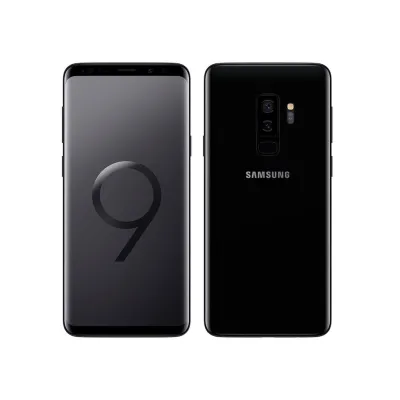
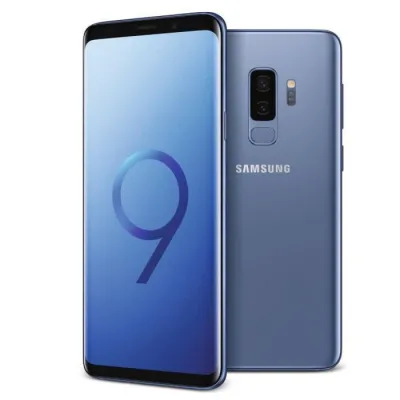
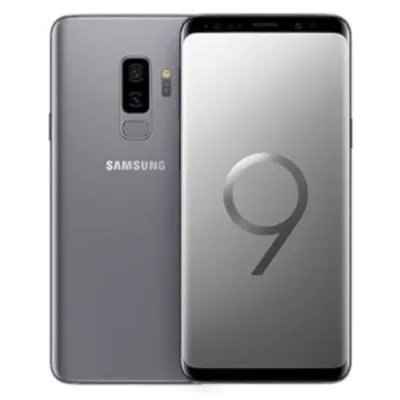
Find the best SIM Free deal on the Samsung Galaxy S9+ from 5 options.
Deals
SIM Free from £124.00
Color
All
Black
Blue
Grey
Storage
All
64GB
Buyers who want a large flagship-grade screen, a still-capable dual camera and old-school extras like a headphone jack and microSD slot, and who accept that software support has ended.
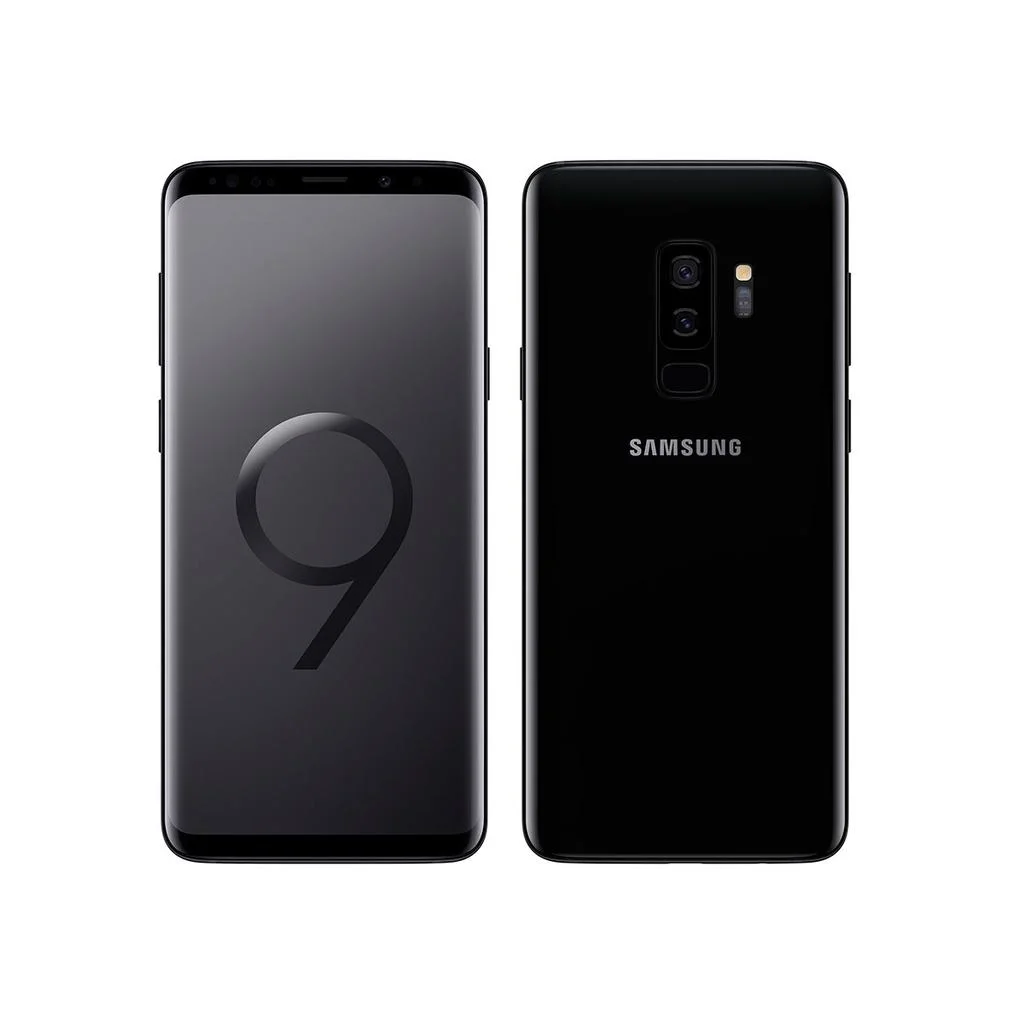
Cashback:
£0.00
Upfront Cost:
£124.00
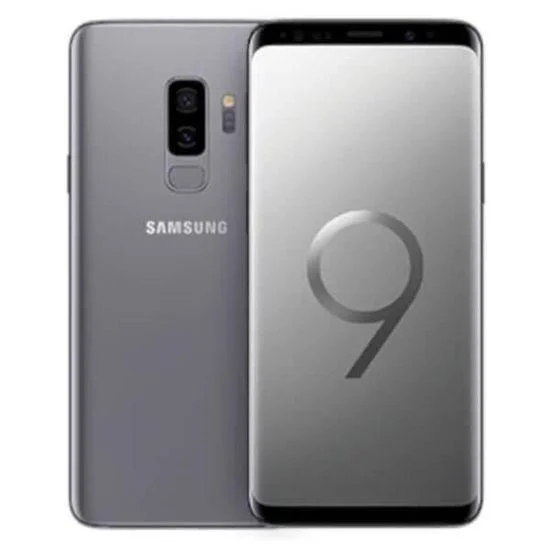
Cashback:
£0.00
Upfront Cost:
£199.00
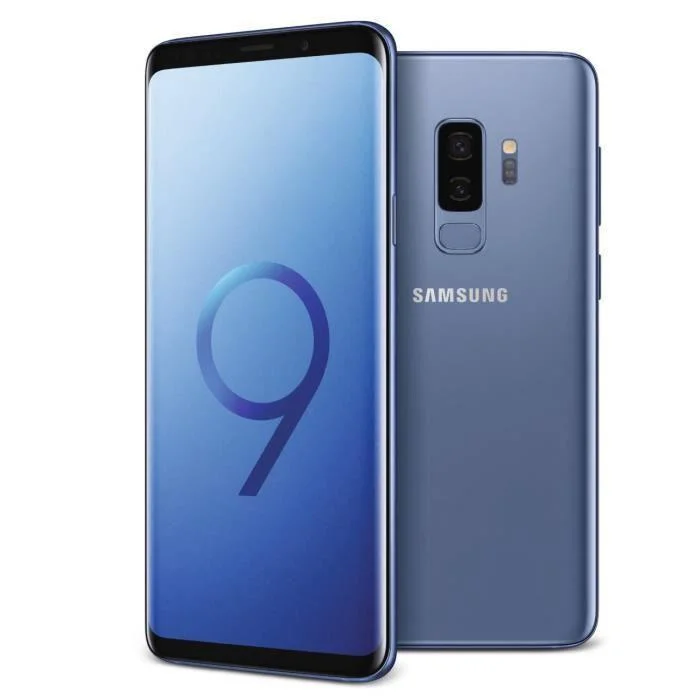
Cashback:
£0.00
Upfront Cost:
£199.00
Cashback:
£0.00
Upfront Cost:
£199.00
Cashback:
£0.00
Upfront Cost:
£205.00
Buy the Samsung Galaxy S9+ SIM-free from £124.00 at Back Market.
5 refurbished deals available - SIM-free from £124.00.
The Galaxy S9+ was the big-screen flagship of 2018 and the first Samsung phone to pair two rear cameras with a variable aperture main sensor that physically switches between f/1.5 and f/2.4. That trick still matters: it is why low-light shots from an S9+ hold up better than the megapixel count suggests, and why bright daylight scenes avoid the blown-out highlights of rivals from the same year. Around it sits the hardware Samsung has since quietly abandoned, including a 3.5mm headphone jack, microSD expansion and front-facing stereo speakers tuned by AKG, alongside IP68 protection and wireless charging. The curved 6.2-inch Quad HD+ screen is still bright and sharp. The reasons for caution are all about age. The Exynos 9810 chip was never the most efficient of its generation, updates stopped at Android 10, and a 2018 battery will have lost real capacity. There is no 5G. It suits someone who values the camera and the headphone jack over having current software.
Tracking the best prices since 27 Apr 2026.
| Feature | Samsung Galaxy S9+ | Samsung Galaxy S10+ |
|---|---|---|
| Display | 6.2-inch curved Super AMOLED, Quad HD+ | 6.4-inch curved Dynamic AMOLED, Quad HD+ |
| Chipset | Exynos 9810 | Exynos 9820 |
| Rear camera | 12MP dual-aperture + 12MP telephoto | 12MP dual-aperture + 12MP telephoto + 16MP ultra-wide |
| Battery | 3,500 mAh | 4,100 mAh |
| Dimensions | 158.1 × 73.8 × 8.5 mm | 157.6 × 74.1 × 7.8 mm |
| Weight | 189 g | 175 g |
| Fingerprint sensor | Rear-mounted | Ultrasonic under-display |
| SIM-free price | From £124.00 | From £172.00 |
£700-£999 Phones · 85 phones
Based on calibrated CPU benchmark rankings (60%) and GFXBench GPU scores (40%). Apple chipsets included via editorial calibration since AnTuTu under-represents Apple's architecture.
Based on panel type (LTPO is the modern flagship gold standard), resolution, refresh rate, peak brightness, screen size, and HDR10+ / Dolby Vision support. Marketing peak-brightness claims are capped at 3500 nits to prevent inflation.
Based on main-sensor size (1-inch / 1/1.3" beats 1/2.0"), telephoto reach (periscope > 5x > 3x optical), image processing tier (Apple Pro, Pixel Pro, Galaxy Ultra, Honor Magic Pro, Xiaomi Ultra), pro video features (ProRes, Apple Log, Dolby Vision), camera-partnership branding (Leica, Hasselblad, Zeiss) and OIS. Older flagships are de-rated since image processing pipelines have advanced significantly each generation. Megapixel count is deliberately downweighted — it correlates poorly with real-world camera quality. Where DXOMARK has lab-tested the phone, its measured score replaces this estimate.
Based on the image-processing tier (Apple Pro, Pixel Pro, Galaxy Ultra and Honor Magic lead on computational processing), sensor resolution in tiers rather than raw megapixels, autofocus, aperture and max selfie-video resolution. Calibrated against DXOMARK's selfie protocol.
Based on battery capacity (mAh) adjusted for platform efficiency calibrated against NotebookCheck, Tom's Guide, GSMArena and CNET reviewer tests. Apple A-series gets +45% (iOS process freezing + LTPO 1Hz + tuned panels make iPhone Pro Max outlast many 6500+ mAh Android phones in measured tests). Top Snapdragon / Dimensity flagships get +15%, budget chipsets are penalised −15% to −25% to reflect less efficient displays and looser background limits. Charging speed is excluded — see the separate Fast charging tag for that.
158.1 x 73.8 x 8.5 mm (6.22 x 2.91 x 0.33 in)
189
· Nano-SIM · Nano-SIM + Nano-SIM
Android 8.0 (Oreo), upgradable to Android 10, One UI 2.5
FM radio (USA & Canada only)
Glass front (Gorilla Glass 5), glass back (Gorilla Glass 5), aluminum frame
4K@30/60fps, 1080p@30/60/240fps, 720p@960fps, HDR, stereo sound rec., gyro-EIS & OIS (30fps)
12 MP, f/1.5-2.4, 26mm (wide), 1/2.55", 1.4µm, dual pixel PDAF, OIS
HDR
1440p@30fps
Super AMOLED, HDR10
6.2
1440 x 2960 pixels, 18.5:9 ratio (~529 ppi density)
Corning Gorilla Glass 5
Exynos 9810 (10 nm) - EMEA Qualcomm SDM845 Snapdragon 845 (10 nm) - USA/LATAM, China
Mali-G72 MP18 - EMEA Adreno 630 - USA/LATAM, China
Octa-core (4x2.7 GHz Mongoose M3 & 4x1.8 GHz Cortex-A55) - EMEA Octa-core (4x2.8 GHz Kryo 385 Gold & 4x1.7 GHz Kryo 385 Silver) - USA/LATAM, China
microSDXC (uses shared SIM slot) - dual SIM model only
1, 2, 3, 4, 5, 7, 8, 12, 13, 17, 18, 19, 20, 25, 26, 28, 32, 38, 39, 40, 41, 66 - Global
Wi-Fi 802.11 a/b/g/n/ac, dual-band, Wi-Fi Direct
5.0, A2DP, LE, aptX
USB Type-C 3.1
Yes
GPS, GLONASS, BDS, GALILEO
3500
Iris scanner, fingerprint (rear-mounted), accelerometer, gyro, proximity, compass, barometer, heart rate, SpO2