
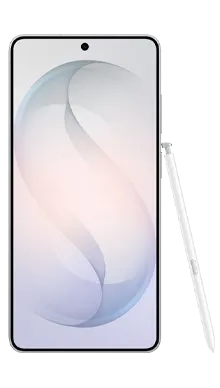
Oppo A6 4G deals
The Oppo A6 4G is in our catalog but no UK retailer currently stocks it.
Release date: 13 January 2026
Budget buyers who want the longest possible time between charges and are happy to stay on 4G, accepting a lower-resolution screen and basic cameras in return.
Oppo A6 4G
No deals currently available
The Oppo A6 4G is in our catalog but no UK retailer currently stocks it. Check back later, or browse Oppo alternatives below.
Photos
Tap any image to view full size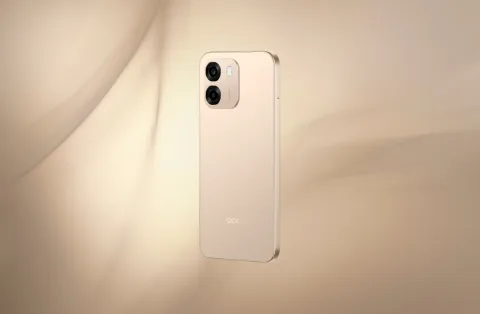
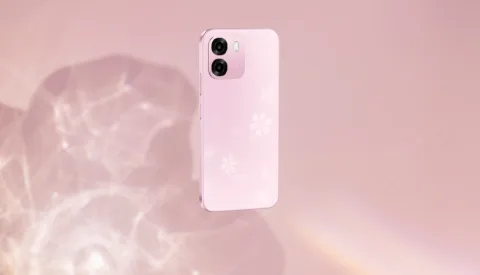
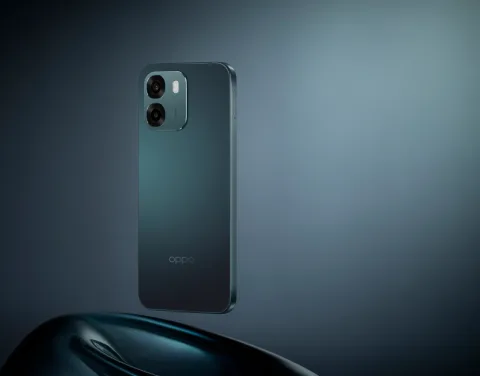

Images: Oppo
About the Oppo A6 4G
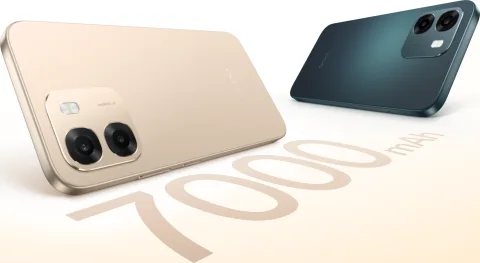
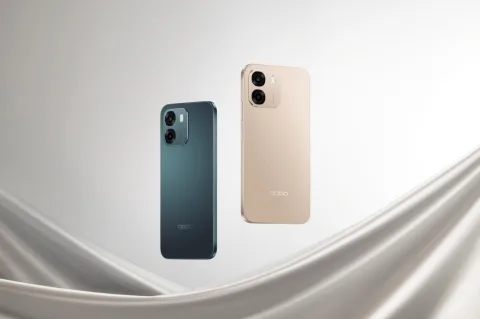
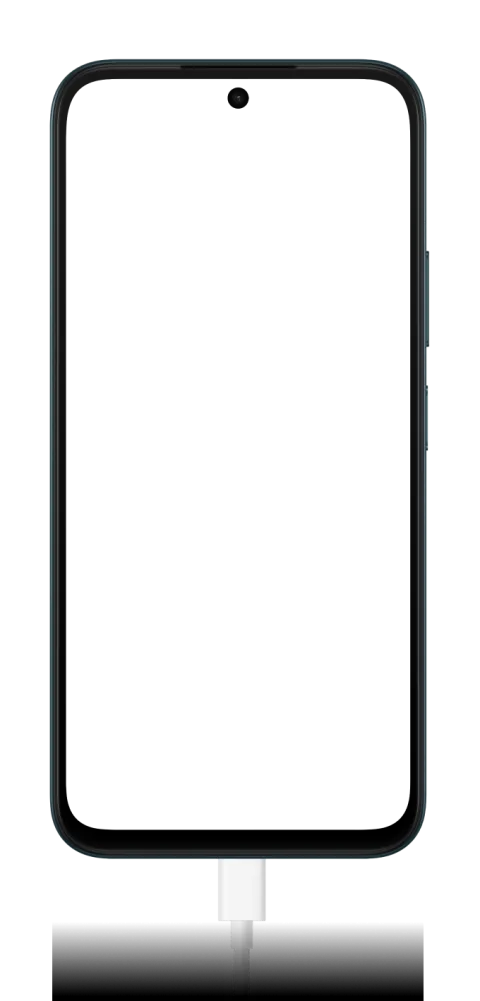
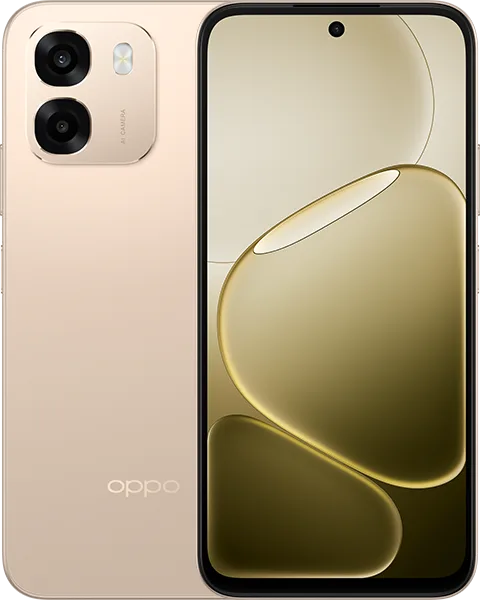
The Oppo A6 4G is a battery phone first and everything else second. Its 7,000mAh cell is far larger than the budget norm, and Oppo pairs it with a modest Snapdragon 685 chipset and an HD+ screen, a combination chosen precisely because it sips power. For the right buyer that is a sensible set of priorities: if you mainly message, browse, take calls and watch video, this should stretch well beyond a single day, and 45W SUPERVOOC charging means refilling it is not an all-night job. The compromises are clear and worth knowing before you commit. The 6.75-inch display runs at 120Hz but only at HD+ resolution, so text and video are not as crisp as on sharper rivals. There is no 5G, which is a real consideration in the UK as networks push more capacity onto 5G bands. And at 215g it is a heavy phone, which is the unavoidable cost of that battery. Buy it for endurance and value, not for gaming, photography or future-proofing.
Price History
Tracking the best prices since 6 Jul 2026.
Oppo A6 4G vs Oppo A5 4G - Key Differences
| Feature | Oppo A6 4G | Oppo A5 4G |
|---|---|---|
| Display | 6.75-inch LCD, HD+ 720 x 1570, 120Hz | 6.67-inch LCD, 90Hz |
| Chipset | Snapdragon 685 | Snapdragon 6s 4G Gen 1 |
| Battery | 7,000 mAh, 45W SUPERVOOC | 6,000 mAh, 45W SUPERVOOC |
| Camera | 50MP main + 2MP mono, 8MP front | 50MP main + 2MP mono, 5MP front |
| Weight | 215 g | 193 g |
| Dimensions | 166.61 x 78.51 x 8.61 mm | 165.71 x 76.24 x 7.99 mm |
| Storage options | 128GB or 256GB | 128GB or 256GB |
Frequently asked questions
Is the Oppo A6 4G worth buying?
Does the Oppo A6 4G support 5G?
How long does the Oppo A6 4G battery last?
Is the Oppo A6 4G camera good?
Does the Oppo A6 4G have NFC for contactless payments?
How does the Oppo A6 4G compare to the Oppo A5 4G?
Oppo A6 4G Specifications
Spec Scores
£200-£399 Phones · 203 phones
- Snapdragon 685
- Octa-core (4x2.8 GHz Cortex-A73 & 4x1.9 GHz Cortex-A53)
Based on calibrated CPU benchmark rankings (60%) and GFXBench GPU scores (40%). Apple chipsets included via editorial calibration since AnTuTu under-represents Apple's architecture.
- 6.75 inches
- 720 x 1570 pixels
- IPS, 120Hz, 1125 nits peak
Based on panel type (LTPO is the modern flagship gold standard), resolution, refresh rate, peak brightness, screen size, and HDR10+ / Dolby Vision support. Marketing peak-brightness claims are capped at 3500 nits to prevent inflation.
- Single camera setup
- 50 MP main camera
- 1080p video recording
Based on main-sensor size (1-inch / 1/1.3" beats 1/2.0"), telephoto reach (periscope > 5x > 3x optical), image processing tier (Apple Pro, Pixel Pro, Galaxy Ultra, Honor Magic Pro, Xiaomi Ultra), pro video features (ProRes, Apple Log, Dolby Vision), camera-partnership branding (Leica, Hasselblad, Zeiss) and OIS. Older flagships are de-rated since image processing pipelines have advanced significantly each generation. Megapixel count is deliberately downweighted — it correlates poorly with real-world camera quality. Where DXOMARK has lab-tested the phone, its measured score replaces this estimate.
- 8 MP front camera
- 1080p selfie video
Based on the image-processing tier (Apple Pro, Pixel Pro, Galaxy Ultra and Honor Magic lead on computational processing), sensor resolution in tiers rather than raw megapixels, autofocus, aperture and max selfie-video resolution. Calibrated against DXOMARK's selfie protocol.
- 7,000 mAh
- 45W wired, 33W PPS, 13.5W PD, 36% in 30 min
Based on battery capacity (mAh) adjusted for platform efficiency calibrated against NotebookCheck, Tom's Guide, GSMArena and CNET reviewer tests. Apple A-series gets +45% (iOS process freezing + LTPO 1Hz + tuned panels make iPhone Pro Max outlast many 6500+ mAh Android phones in measured tests). Top Snapdragon / Dimensity flagships get +15%, budget chipsets are penalised −15% to −25% to reflect less efficient displays and looser background limits. Charging speed is excluded — see the separate Fast charging tag for that.
General
Dimensions
166.6 x 78.5 x 8.6
Weight
215 g
SIM
Nano-SIM + Nano-SIM
Operating System
Android 15, ColorOS 15
Colours
Sapphire Blue, Aurora Gold
Radio
Unspecified
Body
Sapphire Blue, Aurora Gold
Camera
Primary Camera Megapixels
50
Primary Camera Video
1080p@30fps
Second Camera
50 MP, f/1.8, (wide), PDAF Auxiliary lens
Selfie Camera Features
Panorama
Primary Selfie Camera
8 MP, f/2.0, (wide)
Video Resolution
1080
Selfie Video Resolution
1080p@30fps
Display
Type
IPS LCD, 120Hz, 1125 nits (peak)
Display Size
6.75
Display Resolution
720 x 1570 pixels, 19.5:9 ratio (~256 ppi density)
CPU & Memory
Chipset
Snapdragon 685
GPU
Adreno 610
CPU
Octa-core (4x2.8 GHz Cortex-A73 & 4x1.9 GHz Cortex-A53)
Memory Card Slot
microSDXC
Internal Storage
128GB 4GB RAM, 128GB 6GB RAM, 128GB 8GB RAM, 256GB 4GB RAM, 256GB 6GB RAM, 256GB 8GB RAM
Sound
Loudspeaker
Yes, with stereo speakers
3.5mm Jack
No
Connectivity & Data
2G
GSM 850 / 900 / 1800 / 1900
3G
HSDPA 850 / 900 / 2100 - version 1
4G
1, 3, 5, 7, 8, 20, 28, 38, 40, 41 - version 1
Network Speed
HSPA, LTE
Network Technology
GSM / HSPA / LTE
Wi-Fi
Wi-Fi 802.11 a/b/g/n/ac, dual-band
Bluetooth
5.0, A2DP, LE, aptX
USB
USB Type-C 2.0, OTG
NFC
Yes (market/region dependent)
GPS
GPS, GALILEO, GLONASS, QZSS
Battery
Battery
7000
Charging
45W wired, 33W PPS, 13.5W PD, 36% in 30 min 5W reverse wired
Other
Sensors
Fingerprint (side-mounted), accelerometer, proximity, compass