
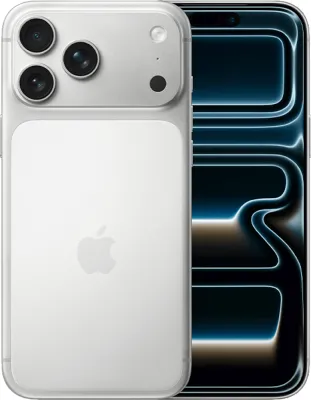
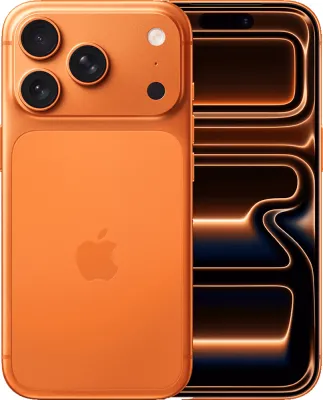




Apple's first foldable iPhone is expected to be unveiled alongside the iPhone 18 Pro in September 2026, opening book-style from a 5.5in cover screen into a 7.8in inner display. Reporting has been unusually consistent on the price: around $1,999, which would make it the most expensive iPhone Apple has ever sold. The name is not settled, with iPhone Fold and iPhone Ultra both in circulation.
Last updated 25 July 2026. Apple has never publicly acknowledged this product. Everything below is attributed reporting, listed in Sources. We update this page as the picture firms up, and we flag the claims that are contested rather than smoothing them over.
When is the foldable iPhone out?
The consensus points to the September 2026 event, with the foldable shown alongside the iPhone 18 Pro and Pro Max and going on sale on 18 September. That is not unanimous: some reporting has the Fold announced in September but not reaching shops until December. A staggered ship date would not be unusual for a first-generation product with a difficult supply chain, so treat September as the likely date and December as a real possibility.
What it is expected to cost
The $1,999 figure has held steady across sources for more than a year, with some Asia-based leakers floating $2,600 to $2,900 for higher storage tiers. Apple has priced recent iPhones at dollar-pound parity in the UK, so a $1,999 launch most likely means roughly £1,999 here.
That number is worth sitting with, because of what it is priced against. Samsung's Galaxy Z Fold8 Ultra went on sale this month at £1,899, and Samsung is on its eighth generation of foldable, with a hinge and display stack refined across seven previous attempts. Apple would be entering at a higher price with a first-generation device. Apple has done that before and been rewarded for it, but it is a genuinely aggressive position rather than a safe one.
The display, and the crease
The inner panel is reported at 7.76in with a 2,713 x 1,920 resolution; the cover display at 5.49in and 2,088 x 1,422 in a 4:3 shape. Samsung Display has reportedly secured a three-year exclusive deal to supply the panel, which is a notable detail in itself: Apple's first foldable would run on its main foldable rival's screen technology.
The claim that matters most is the crease. Leakers describe a crease depth under 0.15mm, achieved through a new hinge geometry and layer stack, which would be shallow enough to be difficult to see or feel. Every foldable maker has claimed to have solved the crease and none has entirely; Samsung's own 2026 Flex Titanium panel is the closest anyone has come. If Apple has genuinely got there at the first attempt, it is the strongest argument for the price.
Cameras: two lenses, not three
The Fold is expected to carry two 48MP rear cameras, a wide and an ultrawide, with no telephoto because the folded body leaves no room for a periscope module. There are reportedly two front-facing cameras, one for each display. Apple is expected to use a titanium chassis for rigidity.
Anyone weighing this against an iPhone 18 Pro Max should note the trade: you would be giving up the telephoto and the variable aperture main camera to get the folding screen. That is the same compromise Samsung makes on the standard Fold8, and it is the main reason foldables have never been the right choice for photography-led buyers.
No Face ID
The most surprising claim is that the Fold drops Face ID for a side-mounted Touch ID sensor in the power button. If accurate, it would be the first new iPhone without Face ID since the third-generation iPhone SE in 2022. The reasoning is mechanical rather than philosophical: a Face ID array needs depth behind the display, and a folding phone does not have it to spare on either panel.
Battery
Estimates span roughly 4,700mAh to 5,800mAh, an unusually wide range that tells you the leakers are not aligned. The upper half of that range would make it the largest battery Apple has put in a phone. A split-cell design, with a battery either side of the hinge, is the most commonly described arrangement.
What we still do not know
- The name. iPhone Fold and iPhone Ultra are both being used. We list it as iPhone Fold because that is the term people search for, and we will move the page if Apple names it otherwise.
- UK pricing. Nothing has leaked. The £1,999 figure above is inferred from dollar-pound parity on recent iPhones.
- Whether it ships in September or December. Both have been reported by credible outlets.
- Battery capacity. A 1,100mAh spread between estimates is not a leak, it is a guess.
- Durability. No hinge cycle rating has surfaced. Samsung rates its 2026 foldables in the hundreds of thousands of folds; a first-generation Apple hinge is an unknown.
Should you wait for it?
If you want a foldable this year and you are not tied to iOS, waiting for Apple is hard to justify. Samsung's Fold8 range is on sale now at £1,699 and £1,899, it is a mature product, and UK network contracts on foldables are well established. A first-generation folding phone from any manufacturer carries risk, and Apple gets no exemption from that.
If you are committed to iOS and have been waiting for a foldable iPhone, there is nothing to do but wait, and the eight weeks to the September event are the shortest that wait has ever been. What we would not do is buy an iPhone 17 Pro Max in August with the intention of switching to the Fold in September, since you would take the depreciation hit on a phone you owned for four weeks.
When it launches, this page becomes our live comparison of every UK deal on it. Until then, see what else is coming on our upcoming phones page.
Sources
- Overall roundup, price, display sizes and Touch ID: MacRumors iPhone Fold roundup and Apple's 2026 iPhone Fold Rumors guide.
- Crease depth, hinge and Samsung Display supply deal: Geeky Gadgets; GSMArena.
- September release timing: Gulf News; December alternative reported in the MacRumors roundup above.
- Camera configuration and titanium chassis: TechPP.
- Battery estimate range: Back Market.
- Galaxy Z Fold8 Ultra UK price comparison: Samsung UK, July 2026.