

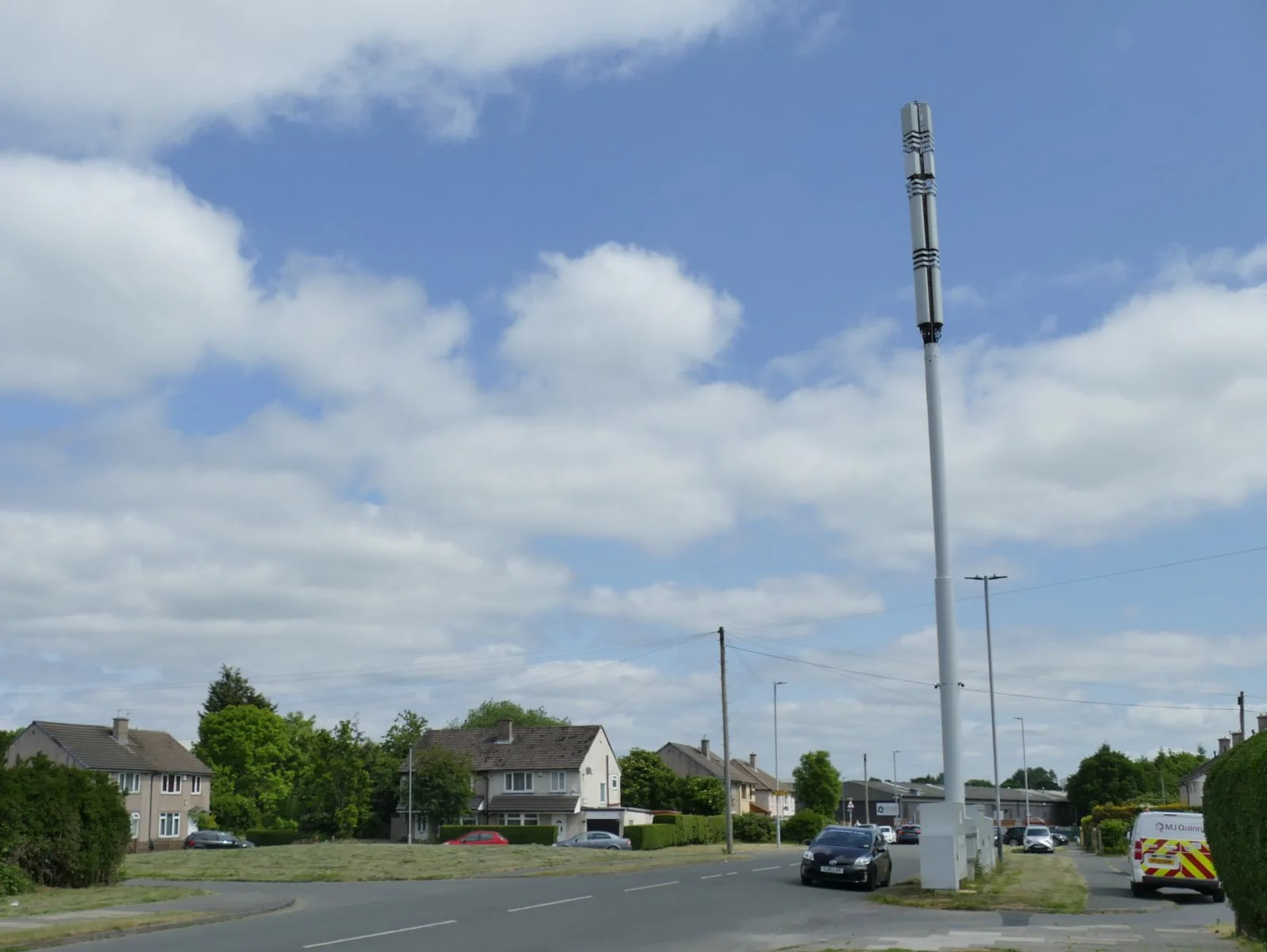
The UK's rollout of true 5G standalone (5G SA) has crossed a major milestone. According to Ofcom's latest Connected Nations report, published this week, more than 85% of the UK population can now access 5G SA from at least one mobile network - up from just 62% a year ago.
Why 5G standalone matters
Most of the "5G" that UK customers have used since 2019 has been non-standalone, which means it piggybacks on the existing 4G core. True 5G SA runs end-to-end on a dedicated 5G core network, and the benefits are tangible: lower latency, better battery life, improved indoor performance and support for advanced features like network slicing.
How the networks compare
| Network | 5G SA coverage | Key commitment |
|---|---|---|
| EE | 92% population | 99% by end of 2026 |
| VodafoneThree | 88% population | 99% by end of 2028 (CMA binding) |
| O2 (Virgin Media O2) | 76% population | 90% by end of 2026 |
| MVNOs | Varies | Depends on host network |
What it means for your phone
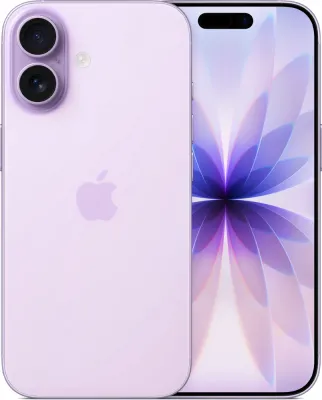
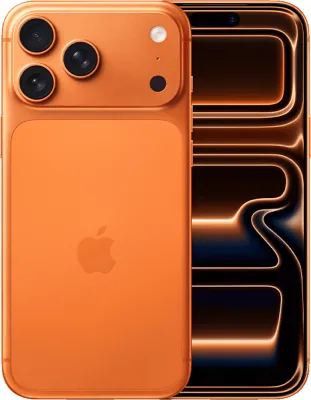
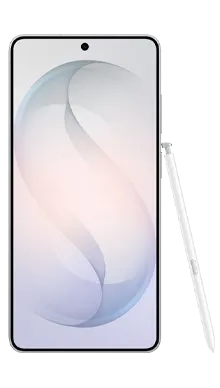
You will need a compatible handset to access 5G SA, and not all "5G phones" support it. Most flagships from 2023 onwards - including the iPhone 15, Galaxy S23 and Pixel 8 - do support 5G SA, but you may need to enable it in settings or via a network-specific toggle. Some networks also reserve 5G SA for certain plans, although this is becoming less common.
The rural gap
Population coverage is only half the story. Geographic coverage remains much lower, with large swathes of rural Scotland, Wales and Northern Ireland still relying on 4G or even 3G in some areas. The Shared Rural Network programme is making progress, but the last 10% of UK geography will be the hardest - and most expensive - to cover.
Looking ahead
Ofcom has warned that ongoing investment is essential if the UK is to hit the government's ambition of nationwide standalone 5G by 2030. For now though, today's milestone is worth celebrating. If you are paying for a 5G plan and have not yet seen a dramatic improvement in day-to-day speeds, it might be worth checking whether 5G SA is enabled on your device.