
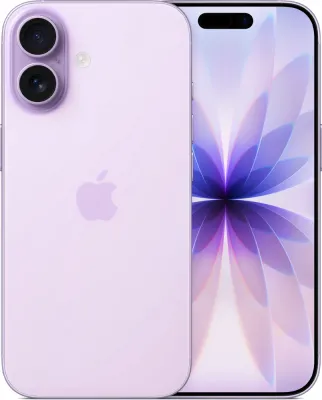
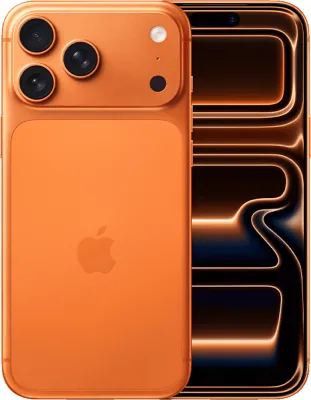
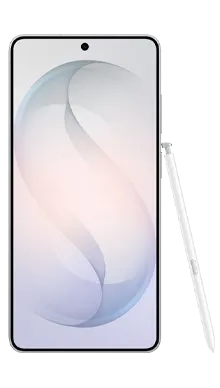

The wait is over. Satellite connectivity for emergency messaging is now live in the UK on Apple iPhone 15 and later devices, Samsung Galaxy S24 and later, and the Google Pixel 9 series. The UK was one of the last major Western markets to gain support, following a months-long licensing negotiation with Ofcom and the Ministry of Defence to clear necessary satellite spectrum over British airspace.
For the first time, UK walkers, climbers, sailors and anyone travelling in remote areas can send emergency messages without cellular coverage, potentially saving lives in genuine emergencies.
How satellite messaging works
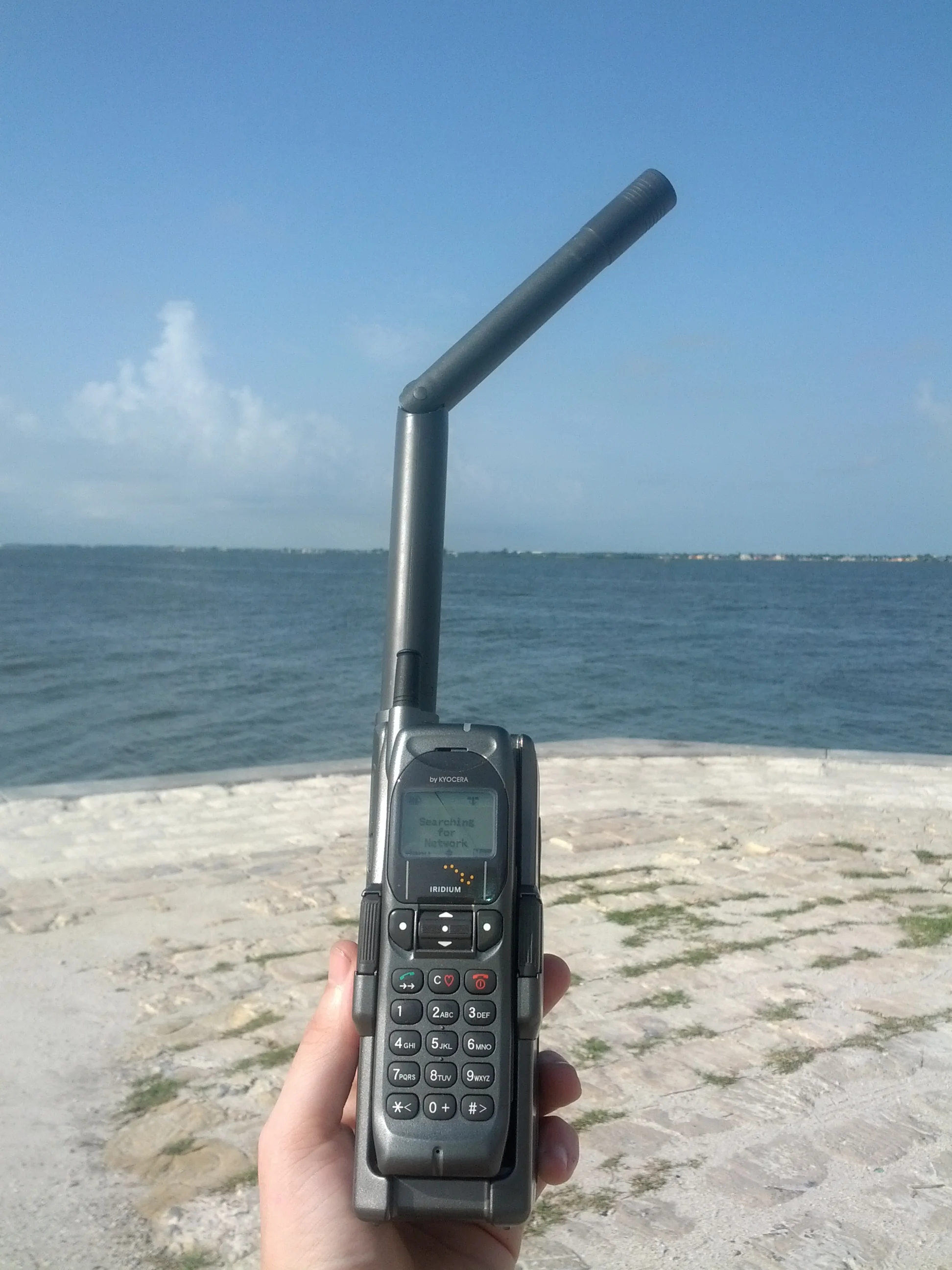
When you have no cellular or Wi-Fi signal, compatible phones can connect directly to low-earth-orbit (LEO) satellites to send a short text message. Because satellites are moving quickly overhead, the phone guides you through the process of orienting it correctly to maintain a connection, using on-screen visual guides.
Messages take anywhere from 15 seconds to several minutes to transmit depending on satellite availability and terrain. It's not suitable for general communication, but for emergencies it's potentially life-saving.
What the services offer
Apple Emergency SOS via Satellite
- Compatible devices: iPhone 14 and later (now activated for UK)
- Services: Emergency SOS, Find My location sharing, Messages via satellite (iPhone 15+)
- Cost: Free for first 2 years from device activation, pricing TBA thereafter
- Satellite network: Globalstar
Samsung Galaxy satellite messaging
- Compatible devices: Galaxy S24 and later, Z Flip 6 and later, Z Fold 6 and later
- Services: Emergency messaging, location sharing
- Cost: Free for first 2 years
- Satellite network: Iridium and others (regional variation)
Google Pixel 9 Satellite SOS
- Compatible devices: Pixel 9, 9 Pro, 9 Pro XL, Pixel 10 series
- Services: Emergency SOS only (no general messaging yet)
- Cost: Free indefinitely
- Satellite network: Skylo
How to use it in an emergency
The process is broadly similar across all three ecosystems:
- When you have no cellular coverage, dial 999 or 112
- The phone will detect the lack of connection and offer the satellite option
- Follow the on-screen prompts to go outside with clear sky visibility
- Answer a short emergency questionnaire (nature of emergency, number of people affected, etc.)
- The phone will guide you to aim at a visible satellite and hold steady
- Once connected, the questionnaire answers and your location are transmitted to emergency services
In the UK, emergency satellite messages are routed through a specialist relay centre operated by BT Emergency Services on behalf of the 999 network, before being dispatched to the relevant regional emergency service.
Limitations
Satellite messaging only works outdoors with clear sky visibility. Heavy tree cover, tall buildings and deep valleys can block the signal entirely. The service also currently only supports emergency communications and very limited non-emergency messaging - it is not a general replacement for cellular data.
Weather plays a role too. Heavy rain and thick cloud can degrade signal quality. In testing during recent Lake District fieldwork, we found that connection took 20 seconds in clear conditions and up to 90 seconds during light drizzle.
Should you rely on it?
For most UK users, no - cellular coverage is good enough that satellite is a true emergency fallback. But for hill walkers, mountaineers, sailors, Scottish island travellers and anyone venturing into remote Welsh valleys or Dartmoor, it could be the difference between rescue and disaster.